iPhone Duo Goes on Sale, but New Orders Face a Long Wait
Published:
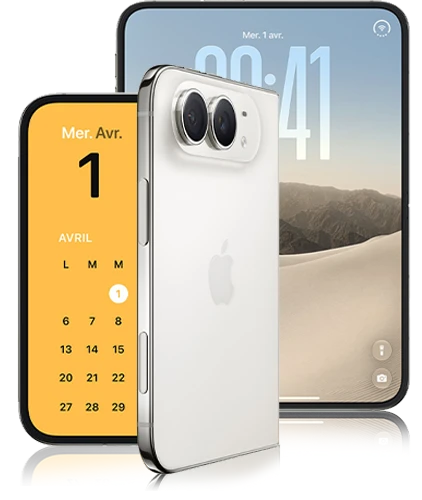
Apple's foldable iPhone reaches its first buyers today. For anyone ordering now, delivery estimates and the apps they actually use deserve a closer look.
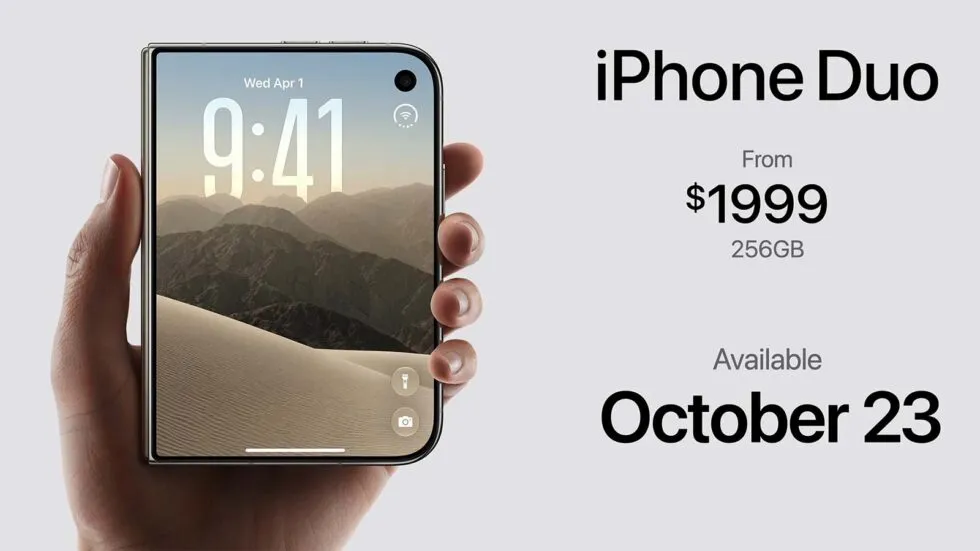
The iPhone Duo is reaching buyers on October 23, but its first day on sale does not mean an easy purchase for everyone. GSMArena reports availability across 70 countries and regions, with some new online orders showing delivery estimates as late as January.
The distinction matters: a product can be officially on sale while the particular storage option or finish a buyer wants remains difficult to obtain. Early preorder customers are in a different position from someone joining the queue today.
On sale does not mean on the shelf
GSMArena reports limited walk-in stock at Apple stores and availability through some third-party retailers. That gives buyers more than one route, but it does not establish that every store has every configuration. Delivery estimates can also change with location and stock allocation.
Before placing an order, buyers should compare the delivery date attached to their exact configuration with local pickup availability. A general launch announcement is less useful than the date shown at checkout. Imported stock also deserves a separate check for warranty coverage and regional compatibility.
The reported January estimates should therefore be read as a snapshot of availability, rather than a universal waiting period for every iPhone Duo order. Nor do those estimates, by themselves, reveal how many phones Apple has sold: waiting times reflect supply as well as demand.
The software question begins now
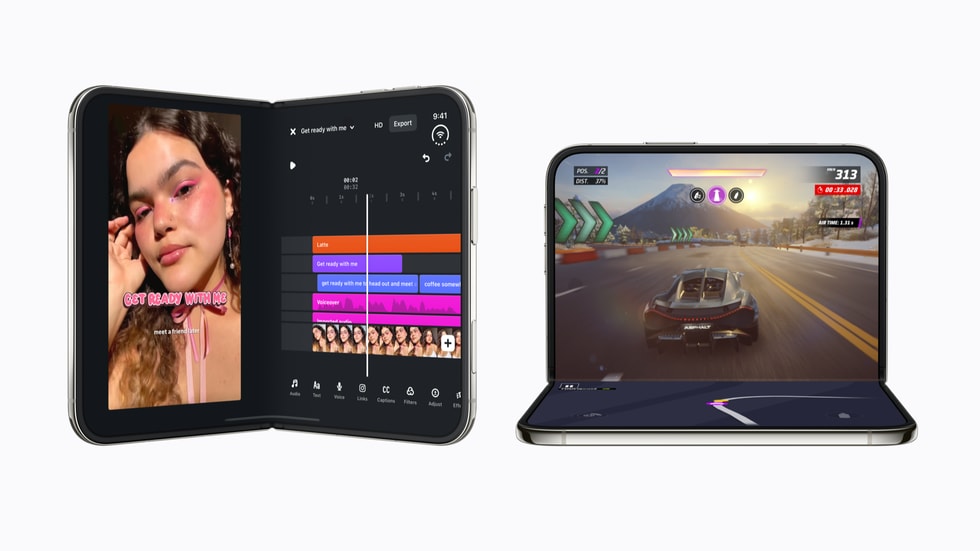
Apple is using the launch to highlight apps adapted for the folding display. Its developer announcement describes Netflix moving between the outer and inner screens, while Prime Video can place playback and additional information on different halves of a partially folded device.
These examples address a practical question about foldables: what does opening the phone let you do more comfortably? More display area is useful when an application rearranges its controls or exposes information that would otherwise require another tap.
Apple also describes Zoom showing shared content alongside participants. Word and Outlook adaptations are due in the coming weeks, while the announced Zenless Zone Zero update is scheduled for next month. Buyers should distinguish features available now from updates still on the way.
That timing is relevant to an expensive purchase. Someone buying for a specific work application should check its current version and supported layout, rather than assume every demonstration is already available.
What to check before joining the queue
The launch turns the iPhone Duo from an announcement into an ownership decision. For a buyer who wants one immediately, confirmed local stock may matter more than a general delivery headline. For someone interested mainly in its larger workspace, the readiness of their everyday applications may matter more than receiving it first.
Neither the launch-day queues nor Apple's app demonstrations establish how the phone holds up over months of use. Durability, battery consistency and the convenience of moving between screens are questions that require time with retail devices.
The useful decision today is narrower: does the version you want have an acceptable delivery date, and do the applications you need already support the experience you are paying for? Those answers will tell buyers more than the fact that sales have officially begun.
Frequently Asked Questions
When did the iPhone Duo go on sale?
Sales began on October 23, 2026, following the preorder period.
Will every new iPhone Duo order arrive in January?
No. Some orders showed January estimates in launch-day reporting; timing depends on market, configuration and stock.
Are all announced iPhone Duo app updates available now?
No. Apple lists some updates for the coming weeks or next month. Check the application's current release.