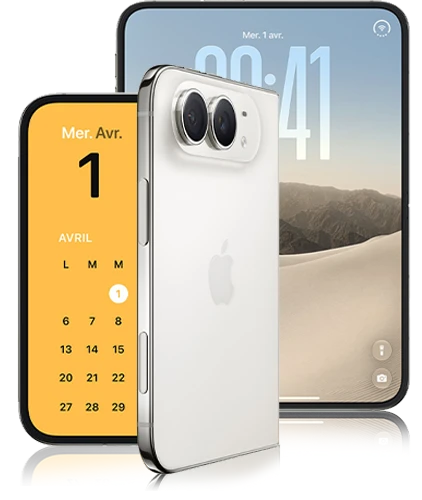
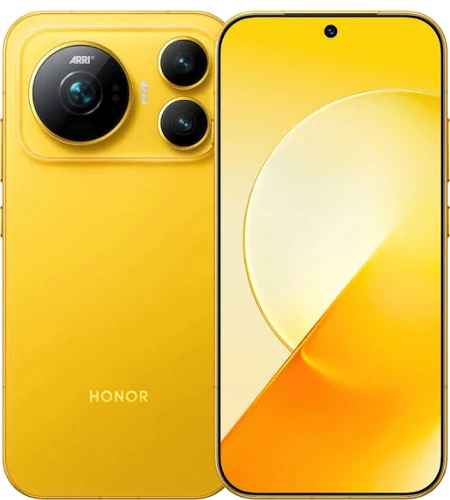
An informal blind video comparison raises questions about night footage, portrait processing and the cinematic look of HONOR and iPhone cameras.
The iPhone has spent years building a reputation as the safe choice for smartphone video. In a new side-by-side comparison, the HONOR Magic 9 Pro Max makes a more interesting argument: viewers may prefer footage that preserves the mood of a scene over footage that makes everything brighter and sharper. But preference and technical superiority are not the same thing.
A nighttime street scene is supposed to look like nighttime. That sounds obvious until two smartphone cameras interpret the same location differently. One lifts the exposure, revealing more of the surroundings but diminishing the atmosphere. The other leaves more darkness in the frame, allowing highlights, shadows and color to carry the mood.
This is one of the central differences highlighted in a video comparison between the HONOR Magic 9 Pro Max and Apple's iPhone 18 Pro Max. The creator films four sets of scenes, producing eight clips, then asks colleagues and other viewers with photography experience to judge what they see.
The exercise is compelling because it moves beyond a conventional specifications comparison. Rather than asking which phone has the larger sensor or more sophisticated processing, it asks a question with a less predictable answer: which footage would people actually choose to watch?
The result favors HONOR in the creator's presentation. Understanding why is more valuable than simply declaring a winner.
The creator's first major criticism concerns the iPhone's approach to nighttime footage. In his samples, the iPhone brightens the overall image enough that some of the nighttime atmosphere is lost. He also notices pronounced lens flare around bright light sources, an issue he says appeared repeatedly while filming.
Yet he does not dismiss the iPhone's performance. He acknowledges that it retains information in both bright and dark areas and considers the overall image quality good.
That distinction matters. Raising shadow exposure can be useful when the priority is documenting what happened in a dim environment. A brighter frame may show more faces, buildings and background activity. For documentary work, that can be an advantage.
But a filmmaker trying to preserve the character of a street after dark may want something else. Darkness is not always missing information. Sometimes it is part of the composition.
The HONOR footage, as presented in the video, appears to lean more heavily into that atmospheric interpretation. It is a creative choice rather than proof that the iPhone's exposure is objectively wrong.
There is also a practical limitation: the supplied comparison does not establish that both phones were matched for exposure, recording format, frame rate and other relevant settings. Without that information, it would be premature to attribute every difference solely to hardware or color science.
The second and third sets of clips turn toward people, where smartphone image processing can become particularly noticeable.
The reviewer observes that the iPhone renders skin with a warmer, slightly yellow tendency, while HONOR's footage appears cooler. He also describes a softer background blur from HONOR and criticizes the iPhone for sharpening hair and facial details too aggressively in certain scenes.
One observation stands out: the model had deliberately applied makeup, yet the reviewer felt some of that detail became less distinct in the iPhone footage, especially around the eyebrows and eyes.
This is a more useful criticism than simply saying one camera is sharper.
Smartphones constantly make decisions about faces. They adjust exposure, reduce noise, sharpen edges and sometimes smooth skin. Each operation can improve a photograph or video in isolation, but the combination may change how a person actually looks.
Makeup, skin texture and subtle lighting are particularly sensitive to these decisions. Excessive smoothing can make a face appear artificial. Excessive sharpening can emphasize pores, hair edges and contrast in ways that distract from the subject.
The people participating in the video do not agree on every comparison. Some favor the brighter or fairer image; others prefer the richer texture and more restrained processing. That disagreement is informative because it shows how strongly personal taste influences judgments about portrait quality.
HONOR's apparent advantage in these selected samples is not simply more detail. It is the impression that the image has been processed with a different aesthetic priority.
The fourth comparison introduces a less subjective issue: minimum focusing distance.
The creator positions the two phones together and moves toward a subject, demonstrating that their main cameras stop focusing at different distances. He regards the difference as substantial, although the transcript does not provide measured distances.
This matters for people who film food, products, flowers or small objects. When a camera cannot focus close enough, the user must step back, change lenses or alter the composition. Those adjustments can interrupt a shot.
However, minimum focusing distance should not be confused with overall autofocus performance. A phone that focuses closer is not automatically better at tracking a moving subject, switching focus smoothly or avoiding hunting during video recording.
The reviewer ultimately keeps both clips because he considers their image quality strong. His larger aesthetic objection concerns the rendering of green foliage. He prefers the color produced by HONOR and says he could use it in a travel vlog without additional grading, whereas he might adjust the iPhone footage.
That is a meaningful workflow observation. For a creator publishing frequently, an attractive image straight from the camera can save time. But the preferred shade of green is not a universal measure of accuracy.
After comparing the clips with colleagues, the creator approaches additional people with photography experience and asks for their impressions without initially revealing which phone produced each sample.
Their reactions are varied. Some praise texture and natural-looking shadows. Others notice excessive sharpening, weak exposure, dense contrast or shallow depth of field. Several find the images difficult to separate when viewed individually.
At one point, participants even speculate that the footage might have come from dedicated cameras rather than smartphones.
The creator eventually reveals that the clips preferred during this exercise were recorded with the HONOR Magic 9 Pro Max. He interprets the result as evidence that HONOR's collaboration with ARRI has meaningfully improved its video output.
It is an interesting result, but its boundaries are important.
The video does not present a controlled study with a documented sample size, randomized viewing order, calibrated displays or a published scoring method. The creator also filmed and edited the clips himself. He acknowledges that he cannot participate as a blind reviewer because he already knows which device recorded each scene.
None of this makes the participants' preferences meaningless. It means the experiment should be understood as a qualitative demonstration, not a statistically reliable camera ranking.
The most defensible conclusion is that HONOR's footage appealed strongly to the people shown in this particular comparison, especially when texture, mood and color were central to their judgments.
HONOR's collaboration with ARRI is one of the Magic 9 Pro Max's main selling points. The video introduces an ARRI-inspired movie interface and discusses LogC3 recording and cinematic looks intended to provide greater control over color.
The significance of these tools is not that they magically turn a smartphone into a professional cinema camera.
A professional imaging workflow separates capturing information from deciding how the final image should look. Log recording is designed to retain tonal flexibility for post-production, while creative looks help establish a consistent visual style.
For a filmmaker, that separation can be valuable. Footage from different scenes may need to be matched, adjusted and combined. A predictable color workflow can make the editing process more manageable.
For everyday users, however, the opposite approach may be preferable. They want attractive footage without learning color grading or handling large production files.
HONOR is trying to address both groups: provide more sophisticated tools for experienced creators while offering cinematic-looking results directly in the camera.
That is a reasonable product strategy. Whether its implementation is better than Apple's professional video workflow requires more than a few attractive clips. It requires examining recording options, codec support, exposure control, file handling and how footage behaves during editing.
The reviewer highlights the Magic 9 Pro Max's large camera sensors, describing a 1/1.28-inch main sensor and a 1/1.4-inch telephoto sensor. He also discusses HONOR's dedicated imaging processor and a claimed dynamic range reaching 14 stops.
These figures help explain HONOR's technical positioning, but they should not be mistaken for results measured during the comparison.
A larger sensor can provide useful advantages in light collection and subject separation, although the actual result depends on lens design, exposure, sensor technology and processing. Likewise, a dynamic-range figure needs a clearly defined measurement method before it can be compared meaningfully with another device.
The creator's footage suggests that HONOR handles certain high-contrast scenes attractively. It does not independently verify a 14-stop result.
The same caution applies to stabilization. The reviewer praises the phone's ability to produce steady handheld footage, but the supplied comparison does not establish a standardized stabilization test across walking speeds, lenses and lighting conditions.
These are promising areas for further examination rather than settled victories.
Near the end of the video, the reviewer highlights HONOR's directional microphone system, which is intended to improve sound capture from subjects farther away.
Audio is an important part of smartphone filmmaking, and it is frequently neglected in camera comparisons. A visually excellent travel clip can become difficult to use if speech is buried under traffic or wind noise.
Directional recording could be valuable for interviews, street scenes and distant subjects, particularly when a creator does not have an external microphone available.
But the transcript does not describe a matched audio comparison with the iPhone, nor does it provide controlled recordings demonstrating noise rejection or long-distance speech clarity. The microphone system therefore remains a feature worth testing rather than an established advantage in this comparison.
The answer depends on the work.
For someone producing quick travel clips or lifestyle videos, the Magic 9 Pro Max's appealing straight-out-of-camera color may be a genuine advantage. If less grading is needed, the creator can spend more time filming and less time adjusting footage.
The iPhone 18 Pro Max remains a serious alternative. The video itself acknowledges its strong overall image quality and ability to preserve information in challenging lighting. A brighter, more neutral or more aggressively processed image may suit documentary coverage or a different creative preference.
For professional production, neither phone should be chosen solely on the basis of this blind test. Recording formats, consistency between lenses, stabilization, thermal behavior, audio integration and editing workflow all matter.
There is also a difference between footage that looks best immediately and footage that offers the greatest flexibility in post-production. The supplied video focuses primarily on the former.
The most revealing part of this comparison is not the final reveal that participants tended to prefer HONOR. It is the language they use while making their decisions: texture, atmosphere, skin tone, sharpening, depth of field and naturalness.
Those are the qualities people notice when a technically competent image either feels convincing or feels overprocessed.
The HONOR Magic 9 Pro Max appears to have made a strong impression in this particular video, especially through its treatment of night scenes, portraits and color. The reviewer also makes a persuasive case that a polished in-camera look can simplify the work of everyday creators.
But the comparison does not prove that HONOR has universally surpassed the iPhone in video quality. It leaves open questions about consistency, matched recording settings, stabilization, sound, dynamic range and professional editing.
The important result is that the iPhone no longer gets to define the preferred smartphone-video look by default. HONOR has presented a credible alternative, and the people shown in this test often liked what they saw.
That is a more interesting finding than another declaration of a new camera king.
This Belliste analysis is based on the supplied video comparing the HONOR Magic 9 Pro Max and iPhone 18 Pro Max. The source includes four paired scenes, an informal blind preference exercise, commentary from the creator and a discussion of HONOR's cinema-oriented features.
Observations about color, skin tones, lens flare, focus and viewer preferences are attributed to the video. Hardware figures and dynamic-range claims discussed by the reviewer are not presented as independent Belliste measurements.
Belliste did not conduct the filming, inspect the original camera files or independently test either phone. The conclusions therefore distinguish aesthetic preference from technical performance.
Video source: https://www.youtube.com/watch?v=53oaGKYELrg
In the supplied side-by-side video, several participants prefer the HONOR footage, particularly its texture and atmosphere. However, the comparison is qualitative and does not establish an overall technical winner.
It is a cinema-oriented recording experience associated with HONOR's ARRI collaboration, including creative looks and professional-style controls intended to give creators more flexibility over footage.
The reviewer demonstrates and discusses an ARRI LogC3-related recording workflow. The exact supported modes and recording limitations should be checked against the phone's current official specifications.
The creator describes HONOR's footage as preserving more of the nighttime atmosphere, while the iPhone brightened the scene and showed noticeable lens flare in his samples. These are observations from the comparison, not universal results.
The reviewer and some participants identify aggressive sharpening in selected iPhone clips, particularly around hair and facial detail. That does not establish that every recording mode or lighting condition produces the same effect.
No. It was an informal qualitative comparison with selected clips and participants. The video does not document the controls needed for a statistically reliable camera ranking.