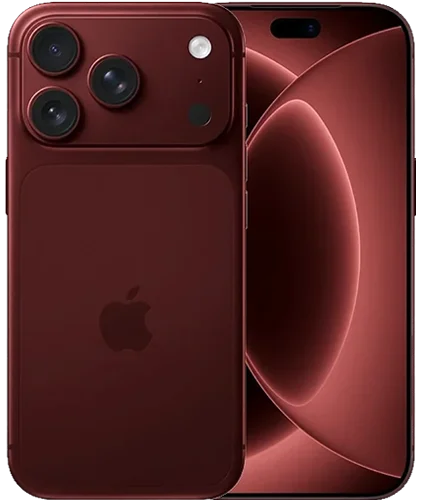
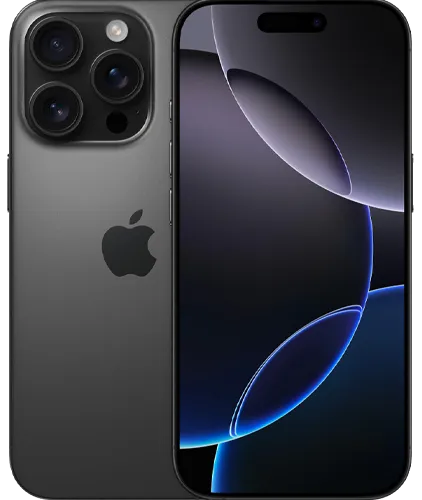
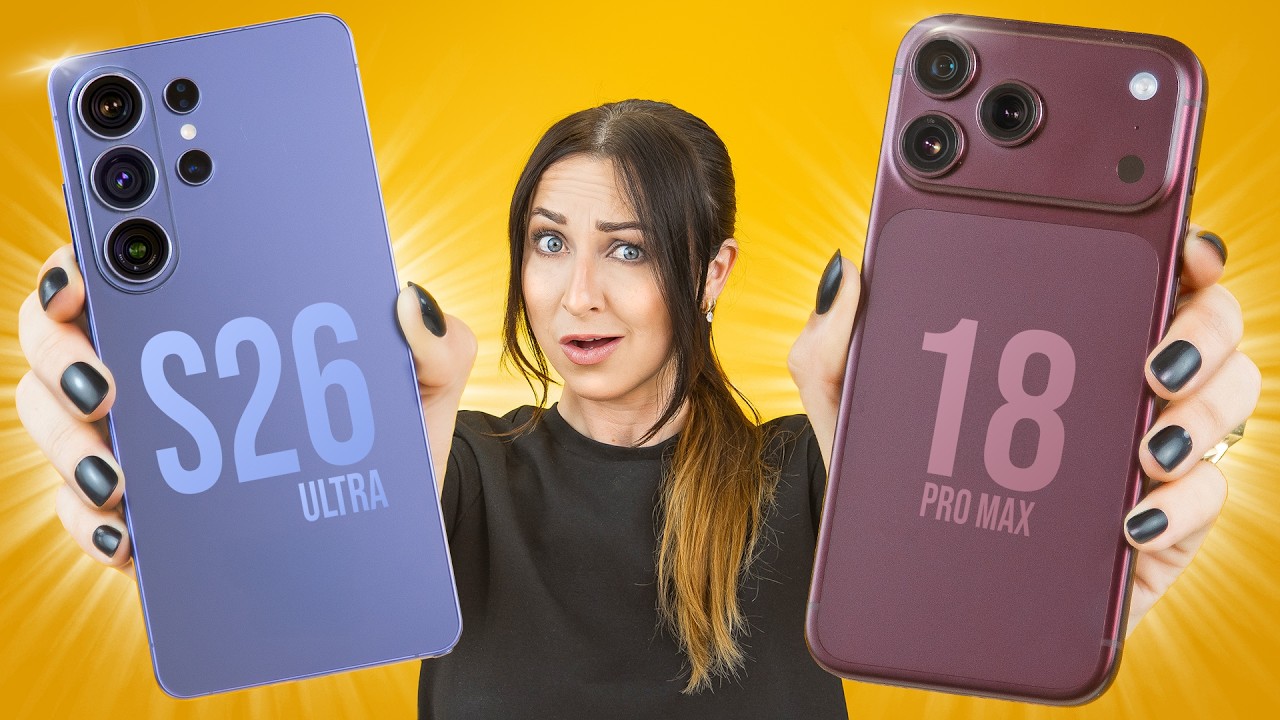
A flagship phone does not have to look different to change the way you use it. That is the strongest argument for Apple's iPhone 18 Pro Max, and it is one the reviewer in the supplied three-minute video makes without much enthusiasm for the usual annual performance claims.
He cares about finishing the day with battery left. He cares about a phone that charges quickly when it does not. He cares about recording video without the device becoming uncomfortably hot. The smaller Dynamic Island and new camera controls are welcome, but they are not the reasons he would recommend an upgrade.
It is an unusually practical way to judge a premium smartphone. It also exposes the areas where the iPhone 18 Pro Max still asks buyers to compromise, particularly optical zoom and the high price of replacing a recent Pro Max.
This is Belliste's analysis of the supplied owner's review, Apple's published specifications and independent reporting. Belliste has not conducted a hands-on battery, thermal or camera test.
The Most Important Upgrade Is the One You Stop Thinking About
The reviewer says that with previous iPhones he sometimes ended the day with 5–10% battery remaining. With the iPhone 18 Pro Max, he reports finishing similar days with 40–50% left.
That is a dramatic difference in his experience. It is also not a controlled comparison: we do not know the exact older models, battery health, brightness, network conditions or workload on each day. It would be misleading to turn those percentages into a universal battery-life improvement.
Apple's own figures are more specific about methodology. The company rates the eSIM-only iPhone 18 Pro Max for up to 45 hours of video playback and, using a newer model based on real-world usage data, up to 30 hours of usage on a full charge. Those are manufacturer estimates under defined assumptions, not promises of identical endurance for every owner.
What matters is the convergence between the sources. Apple is making battery life a headline feature, and the reviewer reports a genuine improvement in his daily routine.
For someone who navigates, shoots photos, uses mobile data and records video throughout the day, avoiding a late-afternoon charging stop is more valuable than a benchmark score that changes nothing about how the phone feels.
Faster Charging Finally Addresses a Familiar Complaint
The reviewer estimates charging power at roughly 50W when using a suitable 60W power adapter. He cites Apple's claim of reaching around 50% in 15 minutes from a depleted battery.
Apple's official charging guidance is more precise about the equipment: fast wired charging requires a 60W-capable USB-C cable and a compatible USB Power Delivery 3.1 or newer adapter with Adjustable Voltage Supply (AVS). Apple's tests used its 40W Dynamic Power Adapter with 60W maximum output.
This does not mean the phone continuously draws 50W from empty to full. Charging power changes with battery temperature, charge level and other conditions. Nor does a 15-minute 50% result tell us the time needed for a complete charge.
Still, the practical difference is clear. A short stop before leaving home can restore a meaningful amount of energy. Apple also says five minutes of wired charging can provide around seven hours of video playback under its testing assumptions.
The reviewer is right to highlight charging as a major upgrade, particularly for owners of older iPhones accustomed to slower top-ups.
There is an additional cost to consider: the appropriate high-power adapter is sold separately. Buyers should check compatibility rather than assume any charger labeled 60W will reproduce Apple's fastest results.
The A20 Pro Is More Interesting for Its Cooling Than Its Peak Speed
Apple's A20 Pro uses a 2nm manufacturing process, a six-core CPU and a seven-core GPU, alongside upgraded neural-processing hardware. The company claims substantial graphics and AI performance gains over the previous generation.
The reviewer is largely indifferent to that headline. His argument is that modern premium phones already feel fast enough for most people.
Instead, he focuses on the new vapor-chamber cooling system. Apple has redesigned the chip packaging and thermal path so heat can move more effectively away from the processor. The company claims up to 40% better sustained performance than the previous generation.
That distinction between peak and sustained speed is essential. A processor can achieve an impressive score for a brief benchmark run, then slow down as temperatures rise. Better cooling is designed to keep performance more consistent during long gaming sessions, video processing and other demanding tasks.
The reviewer says the phone feels less like it has been baking in the sun during gaming. That is an owner observation, not a laboratory measurement of surface temperature.
He also connects lower heat with battery longevity. High temperatures can accelerate lithium-ion battery degradation, so the principle is sound. But this video does not establish how many extra months or years the iPhone 18 Pro Max battery will last because of the new cooling system.
A better thermal design is valuable precisely because it is not flashy. You notice it when the phone remains comfortable and responsive during the tasks that used to make it hot.
A Smaller Dynamic Island Is Nice, but the Display Was Already Excellent
The iPhone 18 Pro Max retains the large, premium OLED experience buyers expect from Apple's biggest flagship. The reviewer calls the screen sharp, bright, vibrant and smooth, with no meaningful complaints.
The visible change is a smaller Dynamic Island. Apple says the redesigned area can now display information from up to three Live Activities at once while preserving Face ID functionality.
That is useful, but it is not a reason for most owners of a recent Pro Max to replace their phones. The improvement is incremental because the screen quality was already strong.
Independent testing adds context. Tom's Guide reports a 6.9-inch display and measured peak brightness of 2,326 nits in its comparison with the iPhone 15 Pro Max. A measured value should not be confused with Apple's separate peak-brightness specifications or assumed to apply in every lighting condition.
The important buying question is whether you actually want a large phone. A display this spacious is excellent for editing footage, reading documents and watching films, but it also makes the device less convenient for pockets and one-handed use.
Apple has improved the interface around the screen. It has not fundamentally changed the trade-off that comes with carrying a Pro Max.
Variable Aperture: A Real Camera Tool, Not a Magic Switch
The headline camera change is a 48MP Fusion Main camera with variable aperture. Apple uses a six-blade mechanism that can adjust how much light enters the lens and how much of the scene remains in focus.
The reviewer sounds skeptical about the amount of attention Apple has given the feature. He considers his photos and videos very good, but does not treat variable aperture as a revolution.
His skepticism is worth taking seriously. A variable aperture is a physical photography control, but its benefits depend on the scene. Opening the aperture helps gather light and can produce shallower depth of field. Narrowing it can keep more subjects in focus, which is useful for groups or layered compositions.
Apple lists ƒ/1.48 at the wide end and ƒ/4 for greater depth of field, with intermediate settings and manual controls in the Camera app. It also introduces more accessible adjustments for shutter speed, white balance and exposure analysis.
These features offer creative flexibility. They do not automatically produce better photographs when left in automatic mode, and they cannot compensate for every limitation of a small smartphone sensor.
For casual users, the value may be improved consistency. For experienced photographers, the attraction is control over the look of an image before capture rather than relying entirely on computational blur.
The 4x Telephoto Still Frustrates Wildlife Photographers
The reviewer's most specific camera complaint is the 4x optical telephoto. He hikes and photographs wildlife, and he wishes the phone offered more reach for distant birds.
That is a useful criticism because it comes from a clearly defined use case. A 4x telephoto can work well for portraits, travel and moderately distant subjects. It becomes less satisfying when the subject is small and cannot be approached.
Digital cropping can extend the apparent zoom range, but it does not create the optical detail that a longer focal length could capture. Image processing can improve the result, not eliminate the physical limitation.
This does not mean Apple's camera system is weak. In a recent 200-photo comparison, Tom's Guide favored the iPhone 18 Pro Max overall against the Galaxy S26 Ultra, while acknowledging Samsung's strengths in some zoom scenarios. Such comparisons depend on the tester's scenes and preferences; they are not universal rankings.
For buyers who mostly shoot people, food, travel and video, the 4x lens may be entirely sufficient. For wildlife or long-distance sports, comparing actual telephoto samples matters more than counting the cameras on the back.
The reviewer's complaint is not that the iPhone takes poor photographs. It is that even an expensive camera phone cannot be the ideal tool for every subject.
Video Is Where the Pro Max Makes Its Strongest Creative Case
The reviewer says the iPhone 18 Pro Max produces some of the best smartphone video he has seen, although it still does not match his mirrorless cameras.
That is an appropriately restrained endorsement. A dedicated camera may offer larger sensors, interchangeable lenses, better ergonomics and more flexible professional accessories. A phone wins on convenience and the likelihood that it is already in your pocket.
Apple's Pro camera tools include advanced video workflows and 4K recording at up to 120fps in supported modes, along with ProRes capabilities for creators who need more control in editing.
These features matter to the reviewer because he actually moves large video files between devices. They may matter less to someone who only records short family clips.
A high-end iPhone can be a compelling production tool, but storage needs rise quickly with professional formats. Buyers planning to record large amounts of footage should think carefully about internal storage, transfer workflows and external storage support before choosing a configuration.
A camera system is more than image quality. It is also how quickly you can capture, transfer, edit and deliver the result.
AirDrop Is an Underrated Productivity Upgrade
One of the video's most concrete anecdotes has nothing to do with photography quality. The reviewer says he transferred more than 30GB of video footage from his iPhone to a MacBook Pro in under five minutes.
He attributes the improvement to faster AirDrop in iOS 27 and casually suggests a figure around 80%. The transcript itself makes clear that he is uncertain about the exact percentage, so Belliste does not treat that number as verified.
The transfer anecdote is still informative. Moving 30GB quickly can save meaningful time for creators who film on a phone and edit on a Mac.
Actual AirDrop speeds depend on hardware, wireless conditions, distance, interference and the receiving device. A single fast transfer does not establish a guaranteed speed for every setup.
This is an example of an ecosystem feature that can matter more than a new benchmark record. For people already using Apple computers, smoother file movement can make the phone a better working tool.
For someone using Windows or a different workflow, the benefit may be much smaller. Buying decisions should reflect the devices you actually own.
Siri AI: New Capability, Uneven Personal Value
The iPhone 18 Pro Max launches with iOS 27 and Apple's newer Siri AI features. Apple describes a more contextual assistant with broader knowledge and onscreen awareness, rolling out in beta with availability varying by region and language.
The reviewer has tried it but is not particularly interested. He would rather spend battery life on photography and productive work.
That reaction is a reminder that AI features are not equally valuable to every buyer. Some people will benefit from natural-language assistance, contextual searches and automation. Others may find the features unnecessary or prefer to control their own workflows.
The distinction between announced capability and reliable everyday performance is important. A beta feature should not be presented as a universally available, fully polished service.
The phone's AI hardware may also enable future improvements, but buying expensive hardware based on unspecified future functionality is a risky strategy.
For this reviewer, the real upgrade is still battery life, cooling and camera usability—not Siri.
Should You Upgrade From an Older iPhone?
The video's final advice is strongest for people coming from an iPhone 12 or iPhone 13. Several generations of accumulated changes make the 18 Pro Max a much more substantial step than an annual upgrade.
Compared with those older phones, buyers gain a larger and more advanced display, a modern Pro camera system, significantly newer processing hardware, faster charging and updated software capabilities.
The calculation is different for someone with an iPhone 17 Pro Max. If that phone already lasts through the day, runs cool enough and captures the photos you need, the new model's benefits may not justify the price of switching.
An iPhone 15 Pro Max owner has a more interesting decision. Independent side-by-side reporting finds sizable improvements in processing performance, battery endurance and camera flexibility, though everyday photographs may not look dramatically different in every scene.
The sensible approach is to compare the upgrade cost after trade-in with the problems you actually experience. A worn battery in an older phone might also be addressed by a battery replacement rather than an entirely new device.
Do not let the word 'Pro' obscure the practical question: what will the new phone let you do that your current one cannot?
Verdict: A Practical Upgrade Disguised as a Familiar iPhone
The iPhone 18 Pro Max does not need a dramatic redesign to justify its existence. Its strongest changes address the ordinary frustrations of ownership: battery anxiety, slow top-ups and heat under sustained load.
The reviewer's personal experience supports that argument. His phone ends the day with far more charge remaining, feels better during demanding tasks and moves large video files efficiently. Apple supplies a technical explanation through its redesigned battery system, faster charging and new thermal architecture.
The camera story is more complicated. Variable aperture offers genuine control, but it is not a universal image-quality shortcut. The 4x telephoto remains limiting for wildlife and other distant subjects, even as the overall photo and video system performs strongly.
Upgrade from an iPhone 12 or 13 if you want a substantial improvement in battery, cameras and daily performance.
Consider upgrading from an iPhone 15 Pro Max if endurance, sustained performance and manual camera controls are important enough to justify the cost.
Keep a recent Pro Max if it already meets your needs and the improvements do not solve a problem you regularly encounter.
The best reason to buy the iPhone 18 Pro Max is not that it has the newest chip. It is that Apple has improved several things you may notice every single day.
Sources and methodology: First-person observations are attributed to the [supplied iPhone 18 Pro Max video review](https://www.youtube.com/watch?v=M2Twmj-AvOg). Technical claims are checked against [Apple's September 2026 announcement](https://www.apple.com/newsroom/2026/09/apple-debuts-iphone-18-pro-and-iphone-18-pro-max/) and independent reporting from [Tom's Guide](https://www.tomsguide.com/phones/iphones/i-tested-the-iphone-18-pro-max-vs-iphone-15-pro-max-side-by-side-is-it-time-to-upgrade). Belliste has not independently tested the phone.