A reviewer’s enthusiasm for HONOR’s battery and portraits raises a practical question: are those advantages enough to justify leaving an iPhone?
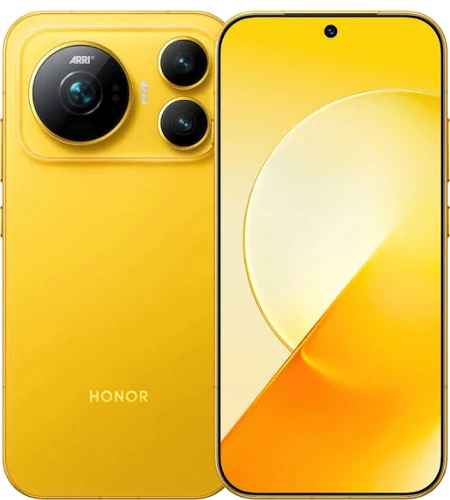
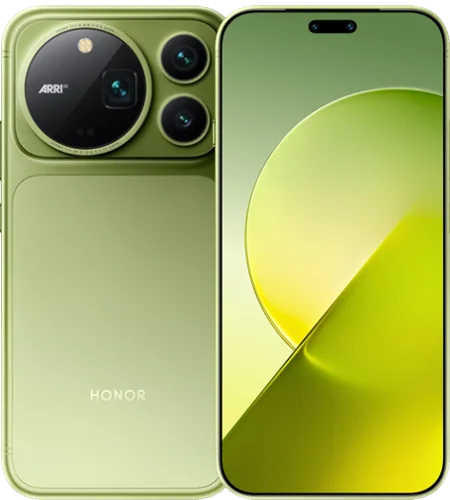
A phone that lasts through a long weekend sounds more useful than a phone that looks good beside an iPhone. That is where the HONOR 600 Pro starts to become interesting. The familiar camera housing gets attention, but the reviewer's strongest argument concerns something less photogenic: using the phone for two days without reaching for a charger.
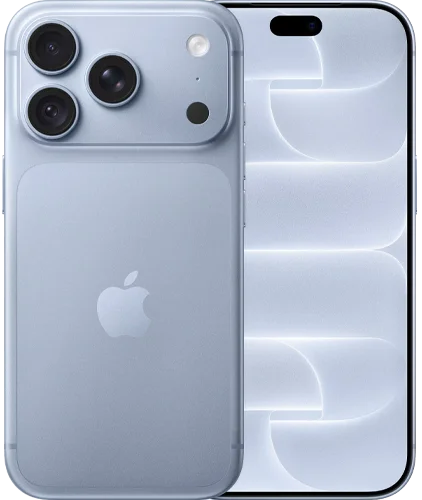
The HONOR 600 Pro vs iPhone 17 Pro comparison becomes less straightforward once cameras, screen comfort and the cost of changing operating systems enter the conversation. HONOR offers several persuasive reasons to consider Android. Whether they add up to a reason to leave an iPhone depends on what currently frustrates you.
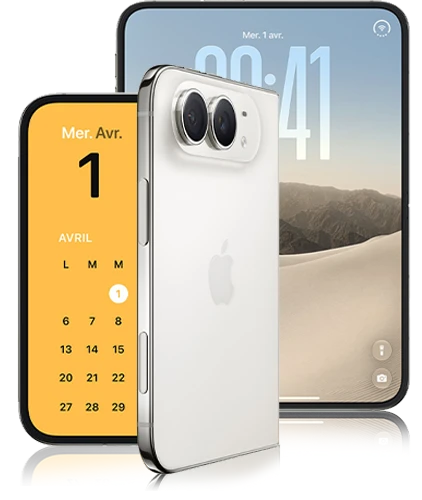
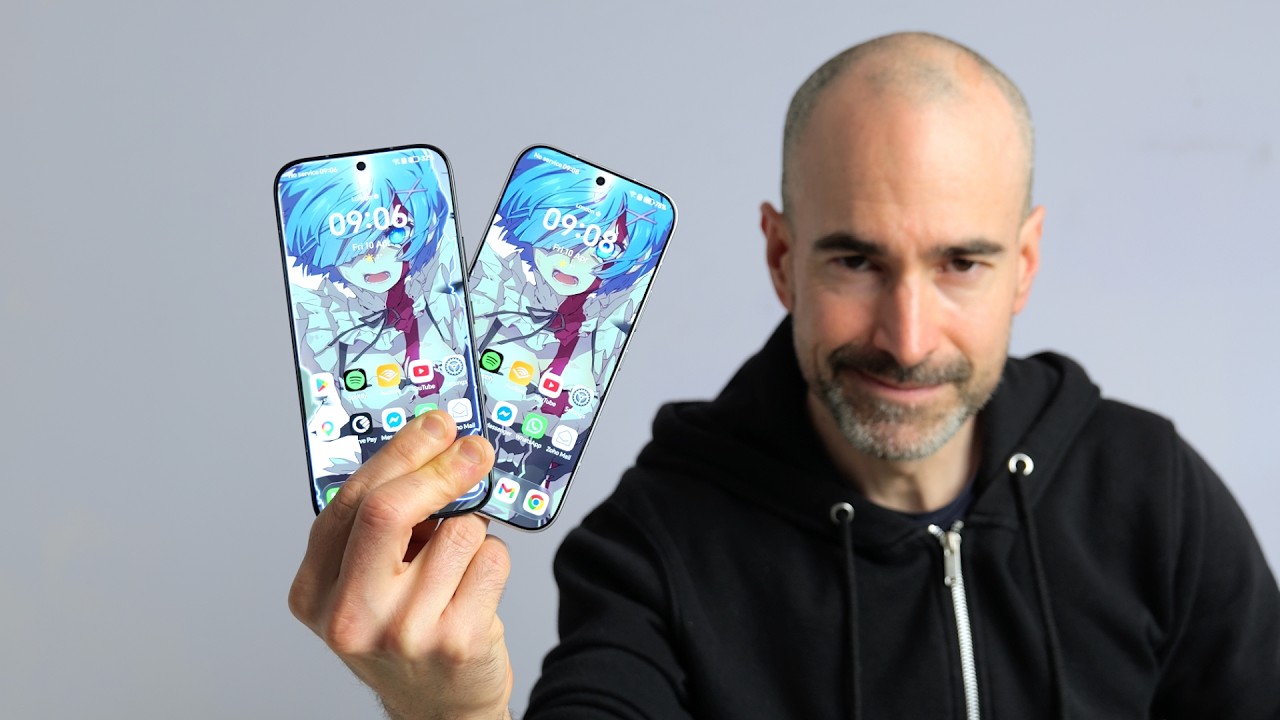
There is an important detail about the source video: the reviewer discusses the iPhone 17 Pro but uses a 17 Pro Max as the physical comparison device. The two Apple models share key camera specifications, but their size and battery endurance differ. This article combines the supplied transcript with checked specifications; it is not a Belliste hands-on test of either phone.
At 4:00 in the video, the reviewer describes the HONOR's 7,000mAh battery, 80W wired charging and 50W wireless charging. After living with the device, he considers two days on a charge realistic. That observation carries more weight than repeating a manufacturer's endurance slogan, although the transcript supplies no screen-time log, matched workload or battery rundown against the smaller iPhone.
The model being sold also matters. HONOR lists 7,000mAh on its global page and 6,400mAh on its UK page. European buyers should check the local specification rather than assume the review unit represents every version. A reviewer's experience with one battery cannot establish the endurance of the other.
There is still a practical attraction here. Someone who navigates during the day, takes photographs in the evening and forgets to charge overnight has a different problem from someone who works beside a desk charger. Extra battery headroom addresses the first person's routine directly. For the second, a nominal capacity advantage may change very little.
Charging figures need similar care. The HONOR's headline speeds require compatible charging equipment, and peak wattage does not persist throughout a charge. Apple's published iPhone 17 Pro figures describe reaching 50% in about 20 minutes with a suitable wired setup, alongside wireless charging up to 25W. These specifications describe different parts of the charging process; they do not establish a two-to-one difference in time at the socket.
Battery flexibility is the strongest reason to investigate the HONOR, but this video does not prove a measured endurance victory over the iPhone 17 Pro. It gives a useful account of one person's experience.
The reviewer spends relatively little time on megapixels. His more revealing observation comes when he discusses portraits: HONOR's skin tones look more convincing to him than before, without making his complexion appear darker than it is. He also sees richer, more vivid color and describes the photographs as ready to share.
That is a specific and useful preference. A camera can preserve fine detail yet produce a face its owner dislikes. People photographing friends, family or themselves may care more about reliable skin rendering than the ability to crop deeply into a landscape. The reviewer's response makes HONOR worth considering for that audience, even though it cannot predict how the camera will handle every complexion or lighting condition.
His characterization of the iPhone as more natural needs qualification. Modern iPhone photographs also undergo substantial computational processing. A restrained-looking result is not an unprocessed result, and vivid color is not automatically inaccurate. What matters is whether the rendering suits the subject and remains consistent from one photograph to the next.
The telephoto discussion is encouraging, too. At roughly 2:56, he praises the HONOR's detail and restrained noise at night, followed by its steadiness when framing distant subjects one-handed. Those are more relevant observations than the maximum zoom number. A camera that is easy to hold on target can be more useful than one with a longer reach that is difficult to compose.
HONOR specifies a 3.5x optical telephoto camera. Apple's iPhone 17 Pro has a 4x telephoto camera and an additional 8x optical-quality option. The latter should not be described as a separate native 8x lens. Farther up the zoom range, the video's comparison at 40x is an extreme digital-zoom example, not a complete camera assessment. The transcript alone does not allow us to inspect those images or declare a winner.
For people choosing between these phones, the useful question is simpler: do you prefer HONOR's portrait rendering enough to accept a different camera workflow? A few photographs of familiar faces, indoors and outdoors, will answer that more honestly than a 120x label.
The reviewer praises the iPhone's stable video, but he does not conduct a detailed recording comparison in the supplied transcript. There is no matched walking sequence, focus-tracking trial or inspection of original files. His confidence is useful context rather than a measured result.
Apple nevertheless documents capabilities that matter to a particular buyer: ProRes, ProRes RAW and Apple Log 2 support. HONOR's listed recording options include 4K at up to 60fps. For someone assembling a project with an established Apple video workflow, the iPhone's recording tools provide a concrete reason to stay.
That reasoning becomes much weaker for someone recording short clips to send to friends. Professional formats do not improve a casual video simply by existing in a settings menu. The sensible choice depends on the files you actually record and edit, rather than the most elaborate mode either phone advertises.
Screen comfort is a recurring theme in the reviewer's HONOR assessment. He highlights high-frequency dimming and night-display features, while praising the iPhone's clarity and anti-reflective treatment. His emphasis reflects the reality that a screen can look impressive during a demonstration yet become tiring during a long evening of reading.
The HONOR has a 6.57-inch display with a refresh rate up to 120Hz. The iPhone 17 Pro is smaller at 6.3 inches and also supports up to 120Hz. That physical difference affects reach, text size and how comfortably a phone fits in one hand. It deserves at least as much attention as the marketing brightness numbers.
HONOR advertises 3,840Hz PWM dimming. That may interest people sensitive to flicker, but it does not guarantee relief from eye strain or establish a medical benefit. Brightness, viewing distance, ambient lighting and individual sensitivity still matter. Anyone buying specifically for comfort should try the screen at the low brightness they use at night.
The 8,000-nit peak figure also describes a particular display condition, rather than full-screen brightness sustained throughout ordinary browsing. It should not be divided by an iPhone brightness figure to produce a supposed everyday visibility advantage. The reviewer finds both screens convincing; this short comparison leaves personal comfort as the more useful distinction.
The reviewer treats HONOR's IP68, IP69 and IP69K ratings as evidence of greater toughness. They do broaden its advertised protection against water exposure, including jet-testing conditions. That is relevant reassurance, but the casual suggestion that underwater use leaves little to worry about goes too far.
Immersion ratings and jet-resistance ratings measure different conditions. Neither establishes that a device will survive every pool visit, and neither tells us which phone will fare better after a drop onto concrete. For a buyer, the ratings are one part of the ownership decision alongside repair access, warranty terms and the consequences of damaging the screen.
The design resemblance does not decide any of those questions. You may dislike how closely HONOR follows Apple's visual language, or you may never think about it once a case is fitted. Both reactions are reasonable. The more consequential issue is how the device behaves after the novelty wears off.
The video contrasts Apple Intelligence and Siri with Gemini and HONOR's additional creative tools. The reviewer enjoys the photo-editing options and image-to-video features, and mentions detection tools intended to flag manipulated calls or voices. His enthusiasm is clearest when describing things to try rather than presenting a systematic reliability test.
That distinction should guide the purchase. Turning a photograph into a short animation might be entertaining, while a dependable assistant or a quick editing shortcut may save time every week. They have different values. Availability, language support and any usage charges need checking in the buyer's region; a feature shown in a review is not a promise of unlimited access.
Detection features also should not be treated as a guarantee that a suspicious call is safe. The transcript contains no accuracy evaluation. A buyer should judge them as supplementary tools, not outsource trust to an on-screen verdict.
For everyday responsiveness, the reviewer reports no major complaints with either device. HONOR uses the Snapdragon 8 Elite; the iPhone uses A19 Pro, correcting the transcript's “A9 Pro” wording. Without a sustained gaming test, those impressions support a claim of smooth ordinary use, not equal long-term performance under load.
The HONOR 600 Pro makes its best case to someone who likes Android, wants more freedom from charging and prefers the portrait rendering described in this video. Its appeal comes from a combination of small daily conveniences. None requires believing that it has defeated the iPhone in every camera or performance category.
The iPhone 17 Pro makes more sense for someone who values a smaller handset, relies on Apple's recording formats or already has a workflow built around iOS. Changing phones also means reconsidering accessories, applications and habits. A battery advantage has to be valuable enough to justify that disruption.
Local pricing can change the verdict. Compare equivalent storage, official warranty coverage and any charger you need to purchase. A substantial HONOR discount strengthens its case; a small gap makes the inconvenience of switching harder to justify. This article deliberately avoids treating a launch price or a temporary deal as a universal buying price.
The reviewer's enthusiasm is persuasive when he explains what improved his own experience: steadier telephoto framing, more flattering skin tones and fewer charging interruptions. Those are sensible reasons to shortlist the HONOR. If none addresses a complaint you have with your iPhone, this comparison gives you little reason to replace it.
The HONOR is worth considering for battery flexibility, fast charging and the photo rendering praised by the source reviewer. The iPhone offers a smaller body and professional video options. The supplied video does not establish an overall performance or camera winner.
No. HONOR's global page lists 7,000mAh, while the UK page lists 6,400mAh. Check the specification of the version sold in your market.
The reviewer says he uses an iPhone 17 Pro Max as a stand-in while discussing the iPhone 17 Pro. Their battery endurance and physical size should not be treated as interchangeable.
The reviewer praises its nighttime telephoto detail and handheld steadiness. HONOR specifies 3.5x optical zoom, while the iPhone 17 Pro has a 4x telephoto camera. Maximum digital-zoom figures and the transcript alone cannot establish which produces better photographs.
It uses Apple's A19 Pro. The supplied transcript's reference to “A9 Pro” is incorrect.
Consider it if charging interruptions or your current camera's rendering are persistent frustrations, and you are comfortable moving to Android. Staying with an iPhone is reasonable when its size, applications and video workflow already suit you.