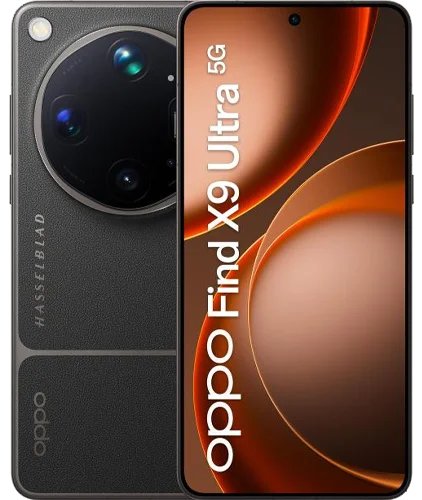
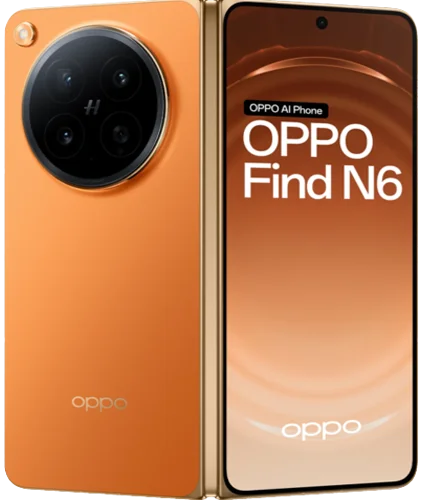
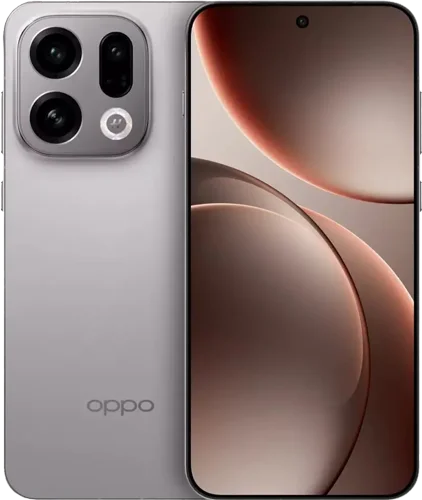
A fresh side-by-side video comparison examines portraits, ultrawide photos, video stabilization, benchmark scores, battery endurance and imported-phone value.
A new side-by-side video makes the OPPO Find X10 Pro Max look like a formidable photography-first flagship. The reviewer prefers its portraits, ultrawide detail and more restrained image processing. The iPhone 18 Pro Max responds with more consistent video, stronger benchmark results in the tests shown and a familiar support ecosystem. Crucially, the reviewer says OPPO still had 20% battery remaining when the iPhone shut down in his separate endurance test. These are the reviewer's findings, not independent Belliste measurements.
Despite its larger advertised battery, OPPO is lighter in the reviewer's comparison, although its camera bump protrudes further. Both screens look bright and colorful to him. OPPO's high-frequency PWM dimming may appeal to flicker-sensitive buyers; the iPhone has an anti-reflective display. The imported Chinese-market OPPO in the video included a charger, case and anti-reflective protector, but box contents vary by region.
The reviewer likes OPPO's softer, film-like skin rendering and richer autumn colors. He finds the iPhone's white balance sometimes too green outdoors and too warm on faces. Yet OPPO can also make indoor scenes under warm lights excessively orange. The iPhone's variable aperture gives additional control over background blur, though the reviewer sees limited benefit for everyday users.
OPPO's 70mm telephoto perspective suits the reviewer's portraits better than the iPhone's 100mm option. He favors OPPO's subject separation, less aggressive sharpening and portrait-mode hair masking. He also prefers its distant-subject and telephoto macro results. Those judgments come from the video samples, not a standardized camera test.
The reviewer strongly favors OPPO's 200MP ultrawide camera, particularly for indoor and low-light detail. Its larger camera hardware and processing deliver images he finds more appealing. Resolution alone does not prove quality; sensor area, optics and processing also matter.
When running, the reviewer sees minor OPPO jitters while the iPhone stays stable. At night he criticizes OPPO's white balance and walking stabilization. This is an important distinction: OPPO's still-photo advantage does not translate into a clean sweep for video. Buyers filming events they cannot reshoot should consider consistency ahead of headline camera specifications.
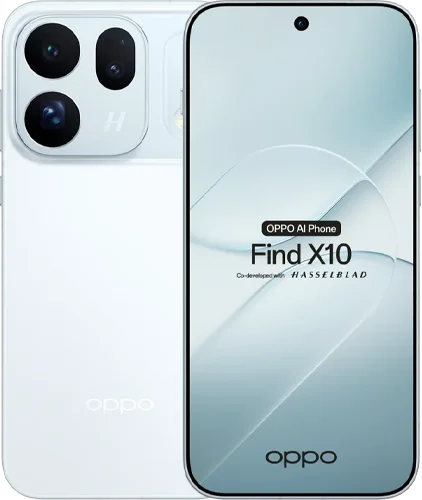
OPPO's Hasselblad Hi-Res and Master modes let the reviewer crop detailed photos and reduce sharpening and noise processing. He enjoys the less processed look. The iPhone offers photographic styles and texture effects. Which workflow is preferable depends on whether you want to edit later or get a finished look immediately.
The reviewer reports 44.1 FPS for OPPO and 52.9 FPS for iPhone in Wild Life Extreme, and an iPhone advantage in Geekbench 7 single-core performance. These are his test results, not Belliste benchmarks.
For endurance, the reviewer cites an 8,000mAh battery in his Chinese-market OPPO versus around 5,400mAh on the iPhone. In his separate battery test, OPPO reportedly had 20% left when the iPhone died. This is a meaningful observation but not a universal runtime promise. Regional battery variants, screen settings and network conditions can change the outcome. He also cites faster wired and wireless charging for OPPO.
The reviewer paid around €1,000 for his imported OPPO, versus around €1,500 for an iPhone from an Apple Store. That difference is attractive, but import taxes, warranty coverage, regional software and repair support may erase some savings. His expectation that an official European OPPO will cost more is a prediction, not a confirmed price.
Choose OPPO Find X10 Pro Max for portraits, ultrawide photos, telephoto flexibility, creative controls and the strong endurance shown in this review. Choose iPhone 18 Pro Max for more dependable video in the demonstrated scenes, its ecosystem and easier ownership where Apple support is readily available. The imported OPPO's value is real only if the buyer accepts its regional and warranty trade-offs.
Methodology: Based on the supplied Techmo review transcript. Belliste did not independently test either phone. Video impressions, benchmark results, battery outcomes and prices belong to the reviewer.
The video reviewer prefers the OPPO telephoto portraits and softer processing. Belliste has not independently tested either phone.
The reviewer favors iPhone stabilization and color consistency, especially during movement and at night.
In the reviewer's test, OPPO had 20 percent remaining when the iPhone shut down. This is not a Belliste test.
The reviewer prefers OPPO ultrawide detail, particularly indoors and in low light.
The reviewer reports 52.9 FPS for iPhone and 44.1 FPS for OPPO in Wild Life Extreme.
The reviewer paid about 1000 euros for his imported OPPO compared with about 1500 euros for iPhone. Warranty and import costs can change the value.
A camera mode used by the reviewer for photographs with less aggressive sharpening and noise processing.
Check network bands, software compatibility, warranty, local repairs and import charges first.

OPPO challenges the iPhone with three 200MP cameras, a teleconverter and ambitious video options. Which flagship should you buy?
Read article →
Compare Find X10 Pro Max and Pixel 11 Pro cameras, software and daily use, including native zoom differences, size, charging and update support.
Read article →
A practical upgrade guide drawn from one owner’s experience, with a closer look at camera claims, battery expectations and the accessories that shape daily use.
Read article →