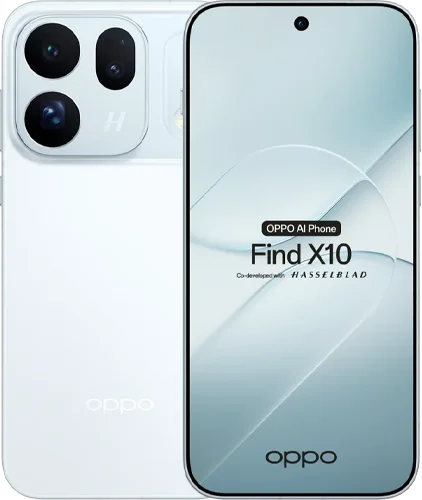
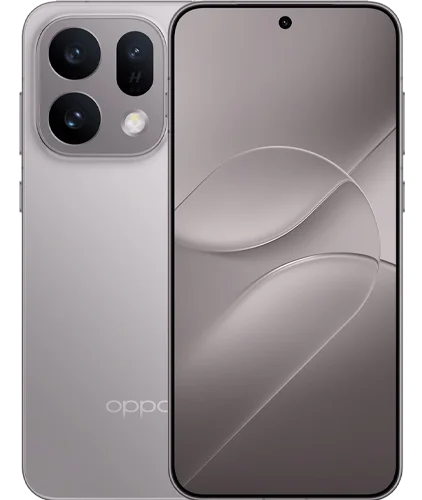
OPPO challenges the iPhone with three 200MP cameras, a teleconverter and ambitious video options. Which flagship should you buy?
OPPO Find X10 Pro Max vs iPhone 18 Pro Max: The Camera Winner Is Not the Whole Story
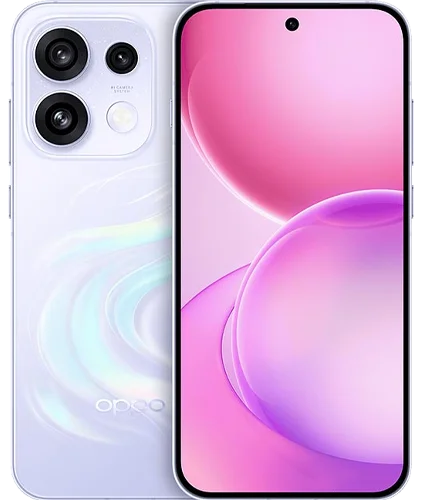
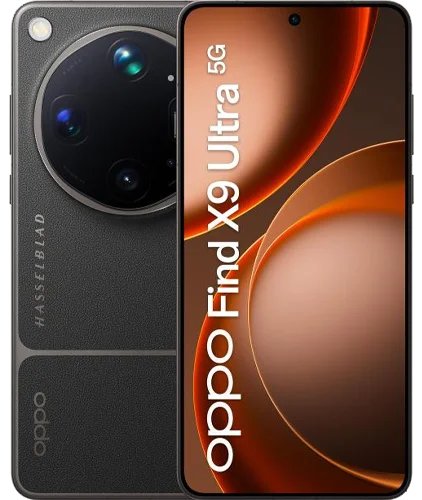
The OPPO Find X10 Pro Max makes a compelling case for buyers who want a phone that behaves like a complete camera system. The iPhone 18 Pro Max counters with a familiar iOS workflow, built-in MagSafe and an established ecosystem of professional tools. The question is not simply which phone wins a zoom crop: it is which device makes your own photography and daily life better.
Belliste quick verdict
Choose OPPO if you prioritize telephoto photography, optional camera accessories, fast charging and Android flexibility. Choose iPhone if iOS continuity, Face ID, MagSafe and your existing editing workflow matter more. The video review favors OPPO in many camera scenes, but those are one reviewer's observations rather than independent Belliste lab tests.
Specifications and key differences
Feature
OPPO Find X10 Pro Max
iPhone 18 Pro Max
Display
6.78-inch AMOLED, up to 144Hz in supported games
6.9-inch OLED, up to 120Hz
Rear cameras
Three 200MP sensors according to the review
Three 48MP sensors according to the review
Unlocking
Ultrasonic fingerprint sensor
Face ID
Battery
Reviewer cites 8,000mAh in some regions, 7,150mAh in Europe
Smaller capacity, depending on model
Charging
Reviewer cites 80W wired and 50W wireless
Reviewer cites lower rates
Camera extras
Optional Hasselblad teleconverter
Built-in MagSafe and Camera Control
Operating system
ColorOS / Android
iOS
These are review-reported specifications. Exact regional hardware, recording options and charging support require checking the specific retail model.
Design and display: different priorities
The OPPO's two-tone back and separate camera-related island make it look deliberately photographic. The reviewer describes it as thinner, lighter and more comfortable than the iPhone, while acknowledging the pronounced camera bump. The iPhone sticks with a familiar aluminum-and-glass design and its built-in magnetic accessory system.
The iPhone offers the slightly larger display. OPPO claims higher peak brightness, high-frequency PWM dimming and 144Hz operation in supported games. Those headline figures are not the same as independent measurements of outdoor legibility, eye comfort or app-wide refresh rates. Both are premium screens; their practical differences will depend on how you use them.
Cameras: where OPPO makes its strongest case
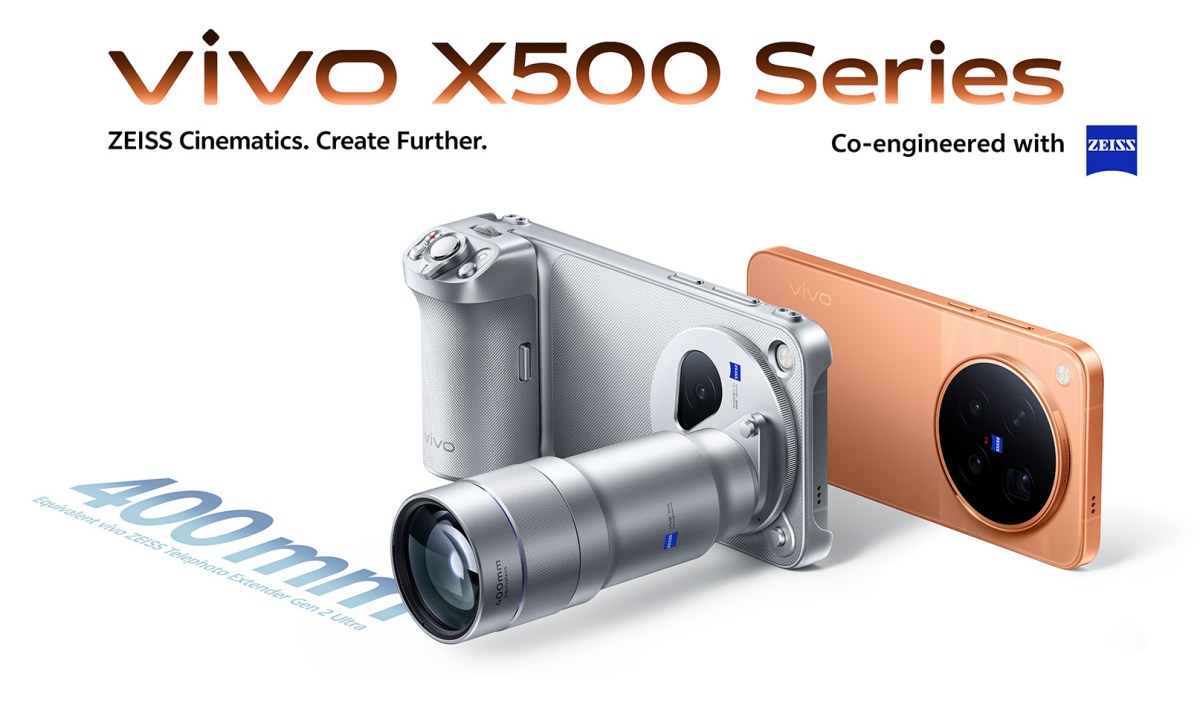
The review's most convincing OPPO advantage is not the 200MP figure by itself. It is the reviewer's repeated preference for OPPO's telephoto detail, more restrained sharpening, color consistency and shadow rendering across daylight and nighttime examples. The optional 230mm teleconverter adds a distinctive longer-reach shooting option, though it also adds expense and equipment to carry.
The iPhone's results are often described as more aggressively processed in this particular review. That does not establish that every iPhone photo will be worse. Autofocus reliability, moving subjects, shutter response, portraits and color preference can all change the outcome. Belliste has not captured its own comparison photos.
Video: a serious challenge, with caveats
The reviewer praises OPPO's ultrawide, telephoto and night video, and discusses open-gate capture, high-frame-rate recording and 8K options. He also acknowledges that the iPhone can be smoother during more demanding movement. OPPO's flexibility could be meaningful for creators who reframe footage in postproduction or regularly shoot at longer focal lengths.
However, recording modes can vary by lens, resolution, frame rate and software build. Claims about native Blackmagic support or lossless Instagram uploads should be checked against the current apps and retail firmware rather than treated as universal guarantees. The iPhone remains attractive for creators already invested in Apple's production ecosystem.
Performance and software
The video describes OPPO's Dimensity 9600 Pro and Apple's A20 Pro as high-end chips and reports fluid gaming on both. Without identical controlled benchmarks, it is not responsible to turn those comments into a measurable performance winner. The bigger choice is software: OPPO offers deeper customization and game controls, while the iPhone offers iOS continuity and Apple-specific features.
Face ID versus an ultrasonic fingerprint sensor is another personal preference. Neither method makes the other phone unsuitable.
Battery and charging: check your region
OPPO's larger stated battery and faster charging are substantial advantages on paper. But the reviewer explicitly reports different OPPO battery capacities in different markets. Buyers should verify the exact country-specific version, supported charger and wireless charging accessories before purchasing.
A larger mAh number does not prove proportional real-world battery life. Belliste has not conducted a standardized endurance test.
Price: compare equal storage and actual checkout costs
The video cites around £1,500 for comparable 512GB UK models, plus limited-time OPPO launch incentives. Those are historical review-period prices, not verified live offers. An accessory bundle is valuable only if it contains something you would otherwise buy.
At a similar real price, OPPO makes more sense for a buyer who actively wants the extra camera flexibility. The iPhone may still be the better-value decision for someone with an existing Apple Watch, iCloud workflow, MagSafe equipment and paid iOS apps.
Who should buy each phone?
Buy OPPO Find X10 Pro Max if long-range photos, manual creative options, optional teleconverter hardware, charging speed and Android customization are genuinely useful to you.
Buy iPhone 18 Pro Max if you rely on Apple's software ecosystem, Face ID, built-in MagSafe and an established iPhone-based recording or editing workflow.
Already own a recent flagship? Do not upgrade for spectacular 400% crops alone. Decide which limitation of your current phone the new device will actually solve.
Final Belliste verdict
The OPPO Find X10 Pro Max is the more exciting camera-first purchase in this particular comparison. Its telephoto system and creative capture options are the standout reasons to choose it. But the iPhone 18 Pro Max remains a rational and potentially better choice for people who value iOS integration and an established production workflow. Belliste favors OPPO for camera experimentation and iPhone for committed Apple users, not as a universal winner.
Methodology: Belliste analyzed the supplied YouTube transcript. Camera impressions belong to the video's reviewer; Belliste has not independently tested either phone. Specifications, availability and prices vary by market.
Which phone takes better zoom photos?
The video reviewer prefers OPPO's telephoto results, especially with its optional teleconverter. Belliste has not independently reproduced those tests.
Is OPPO better for video?
OPPO offers ambitious recording options in the review, while iPhone may better suit an established iOS editing workflow. Check supported modes on retail firmware.
Does OPPO have a bigger battery?
The reviewer cites a larger OPPO battery, with different capacities by region. Verify your local model.
Is 200MP automatically better than 48MP?
No. Sensor size, optics, autofocus, stabilization and image processing matter as much as resolution.
Can I attach a teleconverter to OPPO?
The video demonstrates an optional Hasselblad teleconverter kit. Check regional availability and price.
Which phone is better for gaming?
Both are presented as powerful flagships. Belliste has not run comparable sustained gaming benchmarks.
Are they equally priced?
The video cites similar UK 512GB prices at the time of filming. Current local prices and promotions may differ.
Should an iPhone owner switch to OPPO?
Switch only if OPPO's camera and Android features outweigh the cost of leaving your existing Apple ecosystem.