Samsung’s GOS Fine Makes Gaming Disclosures a Buying Issue
By BellistePublished:
South Korea’s FTC targets undisclosed gaming limits on older Galaxy devices. Buyers deserve performance policies alongside processor claims.

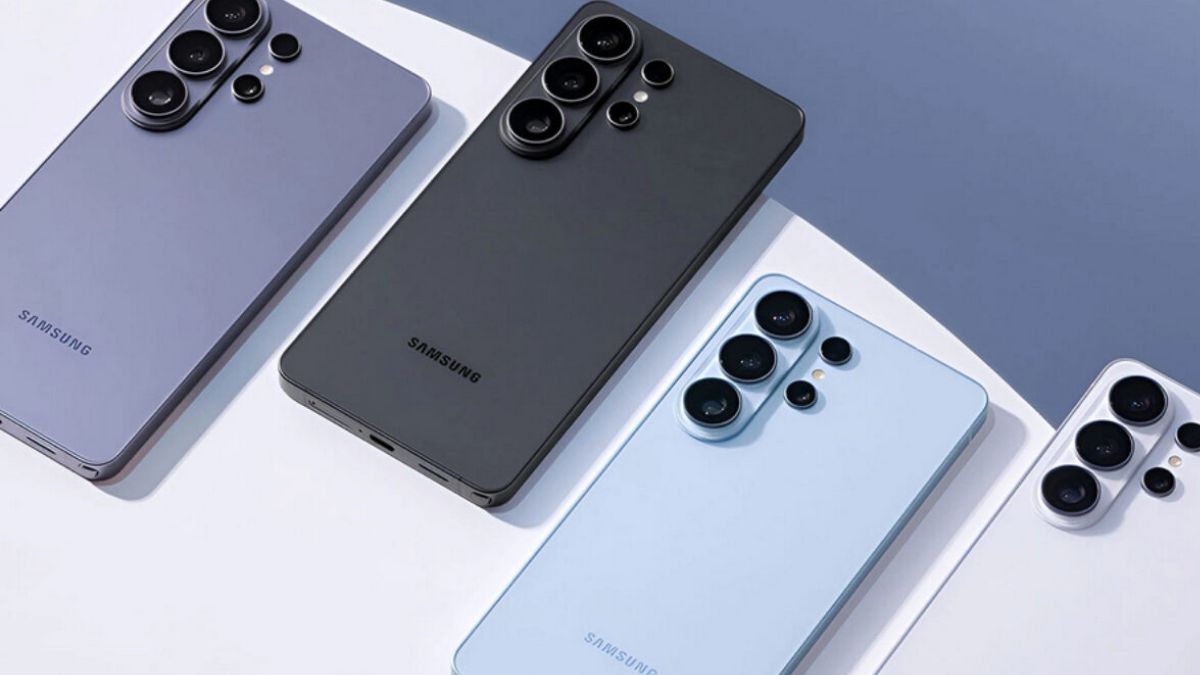
South Korea’s Fair Trade Commission has put an old Galaxy controversy back on the buying agenda. On October 27, it announced a corrective order and a provisional penalty of about KRW 20 billion over Samsung advertising that omitted important gaming performance limits.
The decision concerns the Galaxy S21 and S22 families and Galaxy Tab S8 series, rather than a newly discovered defect in current phones. The regulator says a game-specific policy within Samsung’s Game Optimizing Service could impose predetermined limits immediately when selected demanding games opened, regardless of the device’s condition.
Belliste’s view: if a manufacturer sells gaming performance, restrictions that change that performance belong in the sales pitch. A fast processor badge is an incomplete promise.
The distinction that matters
Phones have finite thermal headroom. Managing heat is necessary, and slowing down under a sustained workload is not by itself evidence of deception. A useful assessment asks what triggers the limit, how clearly it is explained, and what control the owner has.
Here, the FTC distinguishes temperature-responsive management from an app-specific preset. That difference matters to someone choosing a premium phone for one particular game. A benchmark outside that policy may say little about the experience they are actually buying.
It would nevertheless be wrong to convert the regulator’s findings into a universal frame-rate loss. Processor clock limits and delivered gaming frame rates are different measurements. Games, graphics settings and bottlenecks vary.
Samsung disputes the decision
ChosunBiz reports that Samsung described the decision as difficult to understand and said it would explain its position through legal procedures. That response belongs alongside the regulator’s finding. An administrative sanction should not be presented as a fresh court verdict.
Yonhap also reports that Samsung released updates in March 2022 allowing users to lift performance limits. Owners should therefore check their installed software and available game settings before assuming a historical policy describes their phone today.
The fine does not, on its own, establish an automatic refund for every owner. Anyone considering a claim would need the applicable local procedure and the circumstances of their purchase.
How to buy a gaming phone after this
The useful question for a reviewer is not simply whether a phone scores well once. Ask whether testing includes the games you play, the default performance mode, and a sustained session. A short peak result cannot substitute for that evidence.
Then look at frame pacing. An average can conceal interruptions that are obvious while aiming or steering. Temperature and battery drain should sit beside performance because the most aggressive setting may not be the setting you want to use away from a charger.