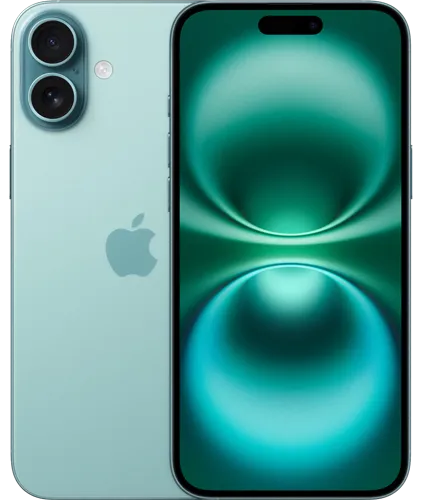
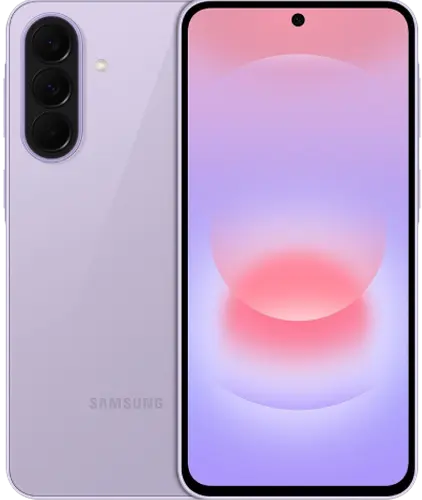
Samsung Galaxy S26 Ultra vs iPhone 18 Pro Max: an independent comparison of cameras, display, customization, performance and battery life inspired by Hayls World's video.
The Samsung Galaxy S26 Ultra vs iPhone 18 Pro Max debate is not simply about which phone has the longer specification sheet. It is about which compromises you are willing to live with every day. Both are expensive, large-screen flagships. Both take excellent photos, run demanding apps and offer years of software support. Yet they approach the same problems differently.
In a 17-minute video titled “S26 Ultra VS 18 Pro Max - I'M SHOCKED!”, creator Hayls World compares special features, cameras, displays, customization, advanced tools, speed, battery, build and price. The video is embedded above. Its published chapter list provides a useful framework for the questions buyers should ask, but it does not, by itself, establish a verified winner in every test.
This Belliste analysis follows those topics and adds independent published testing. Belliste has not conducted its own hands-on benchmark or camera test, and any figures below are attributed to their respective testers.
Samsung makes a strong case for people who want their phone to do more kinds of work. The Galaxy S26 Ultra includes an S Pen, Samsung DeX desktop-style functionality and a Privacy Display feature that can make the screen harder for people beside you to read. Its Android interface also gives users broad control over the home screen, default apps and multitasking.
Apple's iPhone 18 Pro Max answers with an A20 Pro processor, a tightly integrated iOS experience, a mechanical variable-aperture main camera and an extensive ecosystem of accessories and connected devices. Which philosophy is better depends heavily on what you already use.
Samsung's camera system is more varied on paper. It combines a 200MP main camera, a 50MP ultrawide, a 3x telephoto and a 5x periscope telephoto. That gives photographers two dedicated telephoto focal lengths and plenty of flexibility when framing distant subjects.
Apple counters with a 48MP main camera featuring a mechanical variable aperture, plus its own ultrawide and telephoto setup. A variable aperture changes how much light reaches the sensor and can affect depth of field; it is not a guarantee of better photographs in every setting.
Independent camera comparisons show why the outcome is nuanced. In a published 200-photo comparison, Tom's Guide found advantages for the iPhone in several scenes, including portraits, while Samsung remained competitive in zoom. GSMArena's side-by-side video assessment also found different winners depending on lens and lighting: Apple had an edge in some daylight footage, while Samsung's ultrawide held up better in some dark scenes.
What matters to buyers: inspect the specific focal lengths and conditions you use most. A high-resolution main sensor is less useful if your favorite pictures are indoor portraits, pets in motion or zoomed concert shots.
Both phones offer 6.9-inch-class OLED displays with high refresh rates. That means neither is a compact option, and most people will notice their size before any small specification difference.
Samsung's standout feature is its Privacy Display. It can reduce off-axis visibility, useful when reading messages on a train or checking sensitive information in public. There is a trade-off: some independent reviewers have raised concerns about visual comfort and viewing characteristics. The feature is a practical differentiator, not a universal display-quality win.
Apple emphasizes brightness, color and consistency, while iOS provides its own display controls. Anyone sensitive to screen flicker or off-axis changes should ideally inspect both devices in person.
This is where the Galaxy S26 Ultra's identity becomes clearest. Its S Pen supports handwritten notes and precise interaction, while DeX can make the phone feel more like a small desktop computer when connected to a suitable display.
Android also allows more flexible launchers, app defaults and file-management workflows. Apple has expanded iOS customization, but it still places tighter boundaries around parts of the system.
That is not automatically a weakness. Some people prefer a predictable interface that works similarly across an iPhone, Mac and iPad. Others would rather choose their own tools and layouts. The useful question is whether you will actually use Samsung's extra capabilities.
The A20 Pro and Snapdragon 8 Elite Gen 5 for Galaxy are both high-end processors. Independent benchmark comparisons, including Tom's Guide's testing, give Apple's chip a performance advantage in several CPU and graphics measures.
But a synthetic benchmark is not the same as editing a video, running multiple apps or playing a game for an hour. Sustained performance depends on cooling, software and the workload. The S26 Ultra remains more than fast enough for typical flagship tasks, even if Apple posts stronger scores in some tests.
A shopper deciding between these phones should weigh performance alongside software preferences, not treat a benchmark lead as a complete buying recommendation.
Battery endurance is one of the few differences that can change your routine immediately. Published tests from Tom's Guide found the iPhone 18 Pro Max lasted roughly two hours longer than the Galaxy S26 Ultra in its standardized battery test. That is a result from Tom's Guide's test conditions, not a Belliste measurement, and real-world results will vary.
Apple also increased the iPhone's battery capacity this generation. The S26 Ultra retains a 5,000mAh battery, while offering charging improvements over earlier Galaxy Ultra models. The iPhone's larger battery and its charging behavior may be compelling for travelers and heavy users.
Look at a repeatable battery test, not just the capacity number. Cellular reception, camera recording, navigation and gaming can change the ranking in daily use.
These are both large phones, but they do not feel identical in the hand. Samsung's design is lighter and thinner, according to published specification comparisons, while the iPhone is heavier. That difference may matter more than it seems if you use your phone one-handed or carry it for long periods.
The iPhone's ecosystem includes MagSafe accessories and dedicated camera controls. Samsung's built-in stylus remains unusual in the premium smartphone market. Neither advantage is relevant to everyone.
Both models launched around the $1,299 level in the United States, although regional prices, promotions, storage tiers and trade-in deals change the real cost. Comparing two different storage configurations can make a headline price comparison misleading.
If you need an S Pen, DeX and deep Android customization, paying flagship money for Samsung may make sense. If you prioritize measured battery life, Apple-centric accessories and strong chip performance, the iPhone's premium is easier to justify.
Choose the Galaxy S26 Ultra if you will use the S Pen, DeX, extensive Android customization or Samsung's privacy-oriented display. It also offers a versatile set of rear cameras with dedicated telephoto options.
Choose the iPhone 18 Pro Max if you already use Apple devices, value its camera and video workflow, or prioritize the battery and performance advantages reported by independent testers.
There is no need to manufacture a shocking universal winner. The more useful conclusion is that the iPhone 18 Pro Max has a stronger case for buyers prioritizing endurance and raw performance, while the Galaxy S26 Ultra offers more distinctive productivity and control features. The right choice is the one whose strengths you will actually use.
We used the published topic structure and metadata of Hayls World's October 15, 2026 comparison video as the editorial starting point, then checked claims against separate comparisons from GSMArena, Tom's Guide and Android Central. We did not have a verified full transcript of the creator's spoken conclusions, so we have not attributed specific camera wins, battery measurements or reactions to her.
The video description identifies paid promotion, including ESR case links. This is disclosed here so readers can distinguish the creator's comparison from its sponsorship.
Watch the original video: https://www.youtube.com/watch?v=QwQsS2stOb0
Independent reading: https://www.gsmarena.com/iphone_18_pro_max_vs_galaxy_s26_ultra_battery_camera_price_compared-news-74789.php ; https://www.tomsguide.com/phones/i-put-the-iphone-18-pro-max-vs-galaxy-s26-ultra ; https://www.tomsguide.com/phones/i-shot-200-photos-with-the-iphone-18-pro-max-vs-galaxy-s26-ultra-heres-the-winner ; https://www.androidcentral.com/phones/apple-iphone-18-pro-max-vs-samsung-galaxy-s26-ultra
The iPhone 18 Pro Max has advantages in several independent battery and performance tests. The Galaxy S26 Ultra offers an S Pen, DeX, deeper Android customization and Privacy Display. The better choice depends on your priorities.
Tom's Guide reported that the iPhone 18 Pro Max lasted approximately two hours longer than the Galaxy S26 Ultra in its standardized battery test. Actual usage can differ.
Both have capable camera systems. Samsung offers a 200MP main camera and multiple dedicated telephoto lenses, while Apple's 48MP variable-aperture main camera and imaging pipeline perform strongly in independent comparisons. Results vary by scene and focal length.
Yes. The Galaxy S26 Ultra includes a built-in S Pen and supports Samsung DeX for desktop-style productivity.
The video's public description identifies paid promotion and includes links to ESR cases. Belliste's accompanying analysis is separate from that promotion.