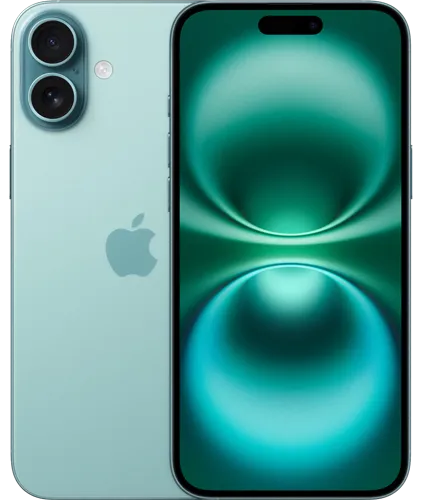
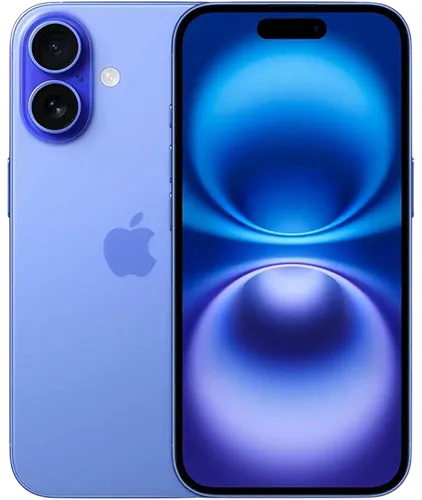
The iPhone 16 is not the newest iPhone in 2026, but it remains a useful example of how good an ordinary flagship can be without Pro branding. In the supplied video, the reviewer reflects on roughly eight months of ownership and says he still recommends the phone to most people. He likes its size, weight, everyday speed and camera. Yet he is far less enthusiastic about its 60Hz display and battery life. That tension is what makes the review worth examining. The iPhone 16 can be an excellent everyday phone without being the right phone for someone who wants the smoothest screen, longer zoom or reliable heavy-use endurance. The video was recorded in 2025, before the iPhone 17 launch. Some of its references to upcoming products and Apple Intelligence were predictions or observations from that period, not a description of the market in October 2026. This Belliste article separates those historical comments from the present buying decision. Belliste has not independently tested the phone. Battery, durability and camera observations below belong to the reviewer. The video's sponsored charger segment is excluded from our editorial evaluation.
The Case for a Regular iPhone
The reviewer opens with a simple claim: after eight months, the iPhone 16 is still the model he would recommend to most people. His reasoning is practical. Most buyers need a phone that handles messages, calls, photography, navigation, streaming and everyday applications without friction. They do not necessarily need advanced zoom cameras or specialized recording formats. The iPhone 16 delivers those essentials in a comparatively compact body. Its A18 processor is fast, its cameras are versatile enough for common situations and its software ecosystem is familiar. But the reviewer does not pretend it is perfect. He repeatedly returns to the display and battery as meaningful compromises. That is the right way to evaluate the phone in 2026: not as an automatic bargain because it is older, but as a specific balance of capability, limitations and price.
Design: Small Enough to Use Comfortably
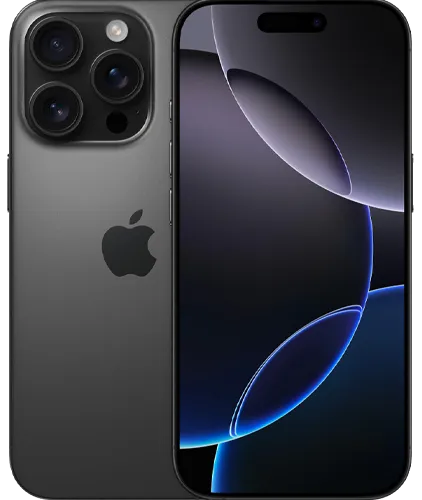
The iPhone 16 has a 6.1-inch display and weighs approximately 170 grams. The reviewer praises the size because he can comfortably use it with one hand. That matters more than it may sound. Larger phones offer more screen area and often more battery capacity, but they can be awkward to hold, pocket and operate. The iPhone 16 uses an aluminum frame, a color-infused glass back and Ceramic Shield on the front. The reviewer owns the teal finish and particularly likes its appearance. He also appreciates the vertically arranged rear cameras, saying they give the regular iPhone a cleaner and more premium-looking identity. Appearance is subjective, but the practical benefit of this design is clear: the phone offers modern hardware without demanding the size or weight of a Pro Max. For people who find current large-screen devices cumbersome, the 16 remains appealing.
Eight Months of Wear: What the Reviewer Experienced
The reviewer used the iPhone 16 without consistently keeping it in a case and without a screen protector. He describes several hard drops, including falls from a tripod and from his pocket. Despite those incidents, the screen had not cracked when he recorded the review. He did notice scratches near the upper-right area of the display and some marks on the sides. This is an ownership anecdote, not a controlled durability test. Surviving several drops does not mean another phone will survive a similar impact. The condition of a used device also depends on how it was handled, where it fell and whether its internal components were affected. The reviewer's experience suggests the phone held up reasonably well for him, but prospective buyers should still inspect the display, frame, camera glass and buttons carefully.
A scratched screen may remain perfectly usable, yet visible damage should be reflected in a secondhand price.
Action Button and Camera Control
The iPhone 16 brought both the Action button and Camera Control to the regular model. The Action button provides a configurable shortcut, while Camera Control offers a dedicated way to launch and interact with the camera. The reviewer likes how the controls contribute to the phone's premium appearance, but he admits he does not use Camera Control very often. That distinction is important. A new hardware button can be a nice convenience without changing the way someone uses their phone. If you prefer tapping the screen to open the camera and take pictures, Camera Control may become an occasional shortcut rather than an essential feature. The Action button can be more valuable when configured for a task you repeat regularly. Neither feature is a reason to pay a large premium by itself. They are useful extras on a device whose strengths lie elsewhere.
OLED Quality Is Strong; Refresh Rate Is Not
The iPhone 16 has a 6.1-inch Super Retina XDR OLED display. The reviewer praises its color, contrast, deep blacks and outdoor visibility. For watching YouTube, browsing social media and viewing photographs, he finds the image quality excellent. The obvious weakness is the 60Hz refresh rate. ProMotion-equipped iPhones support up to 120Hz, making scrolling and animations appear smoother. The reviewer says owners who have always used standard iPhones may not notice a major change, but people accustomed to 120Hz can find 60Hz less fluid. He is particularly frustrated that a phone with a $799 US launch price lacked both 120Hz and an always-on display. That is a reasonable value criticism, even though 60Hz does not make the screen poor in every respect. In 2026, the refresh-rate limitation matters when comparing the 16 with newer models or discounted older Pro iPhones. A strong OLED panel is not the same thing as a fully modern display experience.
The Missing Always-On Display
The reviewer also wishes the iPhone 16 supported an always-on display. On compatible Pro models, an always-on screen can show information such as the time and notifications without requiring a full wake-up interaction. The iPhone 16 does not provide that feature. Some users will not miss it, especially if they prefer fewer distractions or already rely on an Apple Watch. Others may consider it a daily convenience. This is a good example of a specification that cannot be judged by the display's brightness or resolution alone. The iPhone 16 is excellent for actively viewing content, but it offers fewer passive display features than the Pro models. If you have used an always-on display for years, consider whether giving it up would be irritating before choosing the 16.
Dynamic Island Is More Useful Than It Looks
The reviewer highlights Dynamic Island as one of the features that makes the iPhone 16 feel more premium. He uses Apple Maps while listening to music or podcasts during drives. Because his car lacks CarPlay, he appreciates being able to switch between navigation and audio through the Dynamic Island interface. That is a concrete use case rather than a vague claim about visual design. Dynamic Island can surface ongoing activities and provide quick access to compatible apps without fully changing context. It is not exclusive to the iPhone 16, and it is not new to Apple's lineup. But it may be a meaningful upgrade for someone moving from an older notched iPhone. The reviewer does not consider it a make-or-break feature. Instead, he sees it as one of several small conveniences that improve the experience. That assessment is more persuasive than treating the cutout itself as a major innovation.
Battery Life: The Biggest Practical Complaint
Battery life is the reviewer's most serious disappointment. He describes a day when he unplugged the phone around 6:45 a.m. and had only 29% remaining at 5:30 p.m., despite feeling that his usage had been relatively light. He suspects that uploading a short video to several platforms may have contributed to the drain, but he does not establish a definite cause. That is an important distinction. The video provides a specific bad day, not a controlled endurance test or proof of a universal battery defect. The reviewer contrasts the experience with another iPhone he had been using and says the 16 did not offer the same reassurance late in the day. For moderate users, he still considers the battery acceptable. For heavier users, his experience suggests it may require more careful charging habits. By 2026, battery health adds another variable. A used iPhone 16 may last less time than the reviewer's unit did during its first eight months.
What the Battery Example Really Tells Us
One afternoon battery percentage cannot reveal total battery performance without more context. Screen-on time, cellular signal, upload activity, camera recording, background processes and ambient temperature can all affect power consumption. The reviewer's example is still valuable because it shows how the phone fit into his real life. He did not feel comfortable relying on it to reach bedtime. That practical confidence matters more to many buyers than an isolated laboratory runtime figure. If you frequently upload video, navigate for long periods or spend full days away from outlets, the iPhone 16 Plus or a Pro Max may be a better fit. If your use is lighter and you can charge overnight, the smaller 16 may be perfectly adequate. The correct takeaway is not that every iPhone 16 has bad battery life. It is that buyers should not assume the compact design delivers large-phone endurance.
A18 Performance: Smooth Where It Counts
The iPhone 16 uses Apple's A18 chip. The reviewer is not interested in benchmark rankings. He judges performance through apps such as Reminders, Calendar, FaceTime, Messages, Safari and other routine iOS tools. He reports smooth app launches and no meaningful performance interruptions during his ownership. He also says the phone handled exporting 4K footage and uploading videos without the heating problems he might have expected. These are his observations, not sustained-performance measurements. He explicitly says he is not a gamer and therefore cannot evaluate demanding games in depth. For ordinary productivity and communication, the A18 provides ample performance. This is one of the clearest reasons the iPhone 16 remains relevant in 2026: its everyday speed does not depend on having the newest processor.
A newer chip can provide additional headroom, but many users will not notice the difference in routine tasks.
Apple Intelligence Is Not a Standalone Buying Argument
The reviewer discusses Apple Intelligence skeptically, saying it had not become a compelling reason to upgrade at the time he recorded the video. He also refers to an upcoming iOS release and speculates about how much emphasis Apple would place on AI. Those comments belong to the 2025 recording context. They should not be repeated as a definitive account of Apple Intelligence's capabilities in October 2026. Feature availability can change with software updates, language support, region and Apple's rollout decisions. The iPhone 16 has hardware support for compatible Apple Intelligence features, but buyers should verify the specific functions they intend to use. The safer purchasing principle is to value what the phone can do now, rather than purchasing it solely for future software promises. The A18 is an excellent everyday chip even if AI features are not your priority.
Camera Hardware: Strong Main and Ultra-Wide Options
The iPhone 16 has a 48MP Fusion main camera and a 12MP ultra-wide camera. Its vertically aligned dual-camera layout also supports spatial photo and video capture in compatible modes. The reviewer finds everyday photographs consistently good, especially in favorable lighting. He praises autofocus and says portraits generally turn out well. This is not a phone designed around a dedicated long-range telephoto lens. Its 2x option uses the main sensor rather than a separate optical telephoto camera. The reviewer wishes Apple had included something like a dedicated 3x zoom, arguing that it would better justify the original $799 price. That criticism makes sense for buyers who photograph distant subjects. Digital or sensor-crop zoom cannot provide every advantage of a dedicated telephoto lens. For family photos, travel memories and ordinary scenes, however, the main camera is capable.
Daylight Photos: Reliable, Not Revolutionary
The reviewer repeatedly emphasizes consistency. In good light, the iPhone 16 captures attractive images without requiring extensive adjustment. Autofocus is reliable in his experience, and portrait mode produces pleasing results. Those qualities are important for people who want to take a photo quickly and move on. The video does not provide controlled measurements of dynamic range, color accuracy or detail retention. It is primarily an eight-month owner's assessment. That is still useful evidence about ease of use, but it should not be mistaken for a comprehensive comparison with every rival. The iPhone 16's main strength is that it can produce good everyday images with minimal effort. For people who rarely use telephoto lenses or shoot in challenging light, that may be enough.
Low-Light Photography: A Real Weakness in the Review
The reviewer is less impressed with photographs captured in very dark environments. He says night mode and low-light results can be poor depending on the scene, even though daytime performance is strong. This is a subjective observation, and the supplied video does not include a standardized low-light comparison. It nevertheless highlights a common smartphone-camera challenge: difficult lighting can expose limits that are less visible during daytime shooting. If you often photograph indoor events, concerts or evening street scenes, compare actual sample images before buying.
A higher-end iPhone or another phone with stronger low-light processing may better suit those needs. The iPhone 16 is a reliable general-purpose camera, but it should not be presented as a complete substitute for the Pro system in every situation.
Video: The Reviewer Used It for YouTube
One of the most compelling details is that the reviewer used the iPhone 16 as a primary filming camera for his YouTube channel. He praises the 4K footage, calling it clear and smooth. This is an especially useful endorsement because it comes from repeated practical use rather than a brief demonstration. He also recommends the camera for parents and families who want to preserve everyday memories of children, outings and activities. The phone supports spatial video and photos, although the value of spatial content depends on how you intend to view it. The supplied video does not offer a controlled comparison of codecs, stabilization, microphones or editing workflows. Its strongest evidence is that the reviewer was satisfied using the phone regularly for published video. For casual creators and family recording, the iPhone 16 offers meaningful capability without Pro pricing.
Spatial Video and Everyday Memories
Spatial video is one of the less obvious features enabled by the iPhone 16's camera arrangement. It can preserve compatible moments in a format intended for immersive viewing on supported devices. The reviewer sees it as a way to capture memories rather than a professional production feature. That framing is appropriate. Many buyers will never use spatial video, and the feature should not be confused with a guaranteed improvement in ordinary 2D footage. If you already own compatible viewing hardware or expect to build a spatial media library, it may be worth exploring. Otherwise, the more important camera capabilities remain consistent autofocus, pleasing everyday photos and strong conventional 4K recording.
Storage: 128GB Can Be Enough, but Not for Everyone
The iPhone 16 launched in the United States at $799 with 128GB of base storage. The reviewer criticizes Apple's storage upgrade pricing and suggests that buyers stick with 128GB when possible. That advice reflects his preferences, not a universal recommendation. Someone who records frequent 4K video, downloads large games or stores extensive photo libraries may fill 128GB quickly. Cloud storage can reduce pressure, but it adds recurring costs and does not eliminate every local-storage requirement. Before buying, check how much space your current phone uses and how quickly it has grown.
A cheaper 128GB model is good value only if its capacity fits your needs. Paying less initially and struggling with storage later is not a meaningful saving.
The $799 Launch Price Is Not Today's Price
The reviewer repeatedly references the iPhone 16's $799 US starting price. That was its launch-period reference price, not a verified October 2026 market quote. The video also speculates about future discounts after the iPhone 17 release. Those were predictions made before that release and should not be treated as confirmed current offers. Today, buyers should compare actual new, used and refurbished prices, including storage capacity, battery condition and warranty.
A well-priced iPhone 16 may be attractive. A used unit priced too close to a newer iPhone may be harder to justify. Carrier deals and trade-in offers can also change the calculation, but read the terms carefully. A large advertised discount may depend on a lengthy contract or bill credits. The correct price comparison is total cost, not a promotional headline.
iPhone 16 vs iPhone 16e
The reviewer mentions the iPhone 16e as a cheaper alternative and says it surprised him positively. The standard iPhone 16 offers a more flexible dual-camera system, Dynamic Island and Camera Control. The 16e takes a simpler approach with fewer premium conveniences. If your main priority is basic communication and a modern Apple processor at a lower cost, the 16e may be sufficient. If you frequently use the ultra-wide camera, value Dynamic Island or prefer the standard 16's design, the additional features may justify paying more. Actual prices matter more than the original positioning of the models.
A buyer should compare the exact storage configurations and condition of each device before deciding.
iPhone 16 vs iPhone 16 Pro
The reviewer enjoys the regular iPhone 16 but ultimately returns to a Pro Max as his daily phone. His reasons are clear: he values the smoother ProMotion display and the more advanced camera system. The iPhone 16 Pro adds a 120Hz display, a dedicated 5x telephoto camera and more advanced video capabilities. The regular 16 counters with a lighter body and potentially lower price. For someone who mostly messages, streams, takes ordinary photos and occasionally records video, the standard model may be the more sensible purchase. For photographers who rely on longer zoom or users who strongly prefer 120Hz, the Pro's advantages are more tangible. The distinction is about how you use the device, not whether one model is universally superior.
iPhone 16 vs iPhone 17: Revisit the Display Question
At the time of the video, the reviewer discussed rumors that the next standard iPhone might receive a high-refresh-rate display. Those were forward-looking comments in 2025. They are not evidence about the current iPhone 17 specification or price. When comparing the iPhone 16 with a newer standard iPhone in 2026, display refresh rate should be a primary consideration. If the newer model offers 120Hz at a manageable price difference, it directly addresses one of the reviewer's biggest complaints. Other factors include storage, battery life, camera changes, warranty and remaining software support. Do not buy an older phone simply because its launch price was lower. Buy it because the present-day discount compensates for what you give up.
What to Check When Buying Used
An iPhone 16 sold in 2026 may have experienced substantial daily use. Check battery health and cycle count where available. Ask whether the battery, screen or cameras have been replaced, and review the parts and service history in iOS. Inspect the OLED panel for cracks, discoloration and touch problems. Test Face ID, cameras, microphones, speakers, USB-C and wireless charging. Confirm that the phone is not Activation Locked and that its SIM configuration and carrier compatibility meet your needs.
A refurbished label alone does not guarantee quality. Look for a clear return policy and written warranty. If the battery is worn or the screen has damage, include potential repair costs in the total price.
A good used phone can be excellent value, but condition is part of the product.
Who Should Buy the iPhone 16 in 2026? The iPhone 16 makes sense for buyers who want a comfortable, relatively light iPhone with reliable everyday performance and a strong conventional camera. It suits people upgrading from older basic iPhones, casual photographers, parents who record family videos and users who prefer smaller devices. It is less suitable for someone who already uses a 120Hz phone and does not want to return to 60Hz. Heavy users who need predictable all-day endurance should examine battery tests and consider larger models. People who regularly photograph distant subjects or shoot demanding low-light scenes may benefit from a Pro camera system. And anyone buying used should evaluate the exact device rather than relying solely on the model's reputation.
Verdict: An Excellent Everyday iPhone With Two Clear Compromises
After eight months, the reviewer still loves the iPhone 16 and recommends it to most people. His strongest reasons are the comfortable 170-gram design, appealing OLED image quality, smooth A18 performance and dependable everyday photography and 4K video. His biggest complaints are equally clear: the 60Hz screen feels dated at the original $799 price, and battery endurance did not always give him confidence. Those weaknesses do not make the phone a poor choice. They simply define who should buy it.
Choose the iPhone 16 if you want a capable, compact everyday iPhone and can find it at a meaningful discount.
Consider a Pro or newer standard model if 120Hz, longer zoom or more advanced features matter to you.
Consider a larger iPhone if battery endurance is your top priority. The iPhone 16 remains good because it handles ordinary life well. In 2026, the price must be good enough to make its compromises worthwhile.
Editorial methodology: Based on the supplied [eight-month iPhone 16 ownership review](https://www.youtube.com/watch?v=xGHU9Cp5r04). The reviewer's durability, camera, performance and battery observations are not independent Belliste tests. Historical prices and launch-period software comments are identified as such. Sponsored accessories from the video are not editorial recommendations.