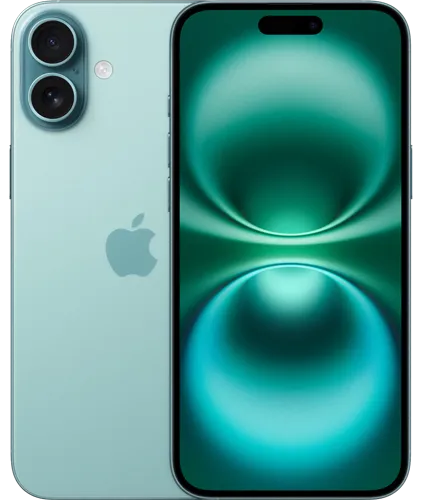
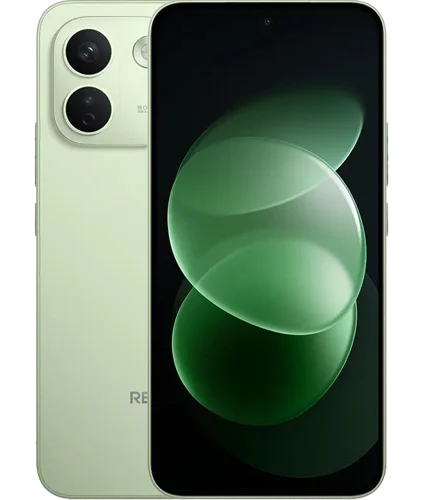
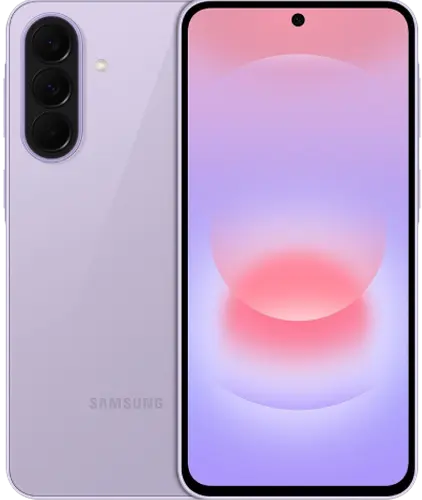
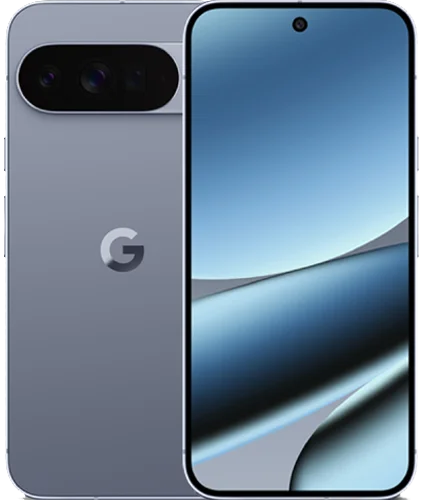
An in-depth analysis of the iPhone Duo review video, covering app compatibility, cameras, battery, multitasking and ergonomics.
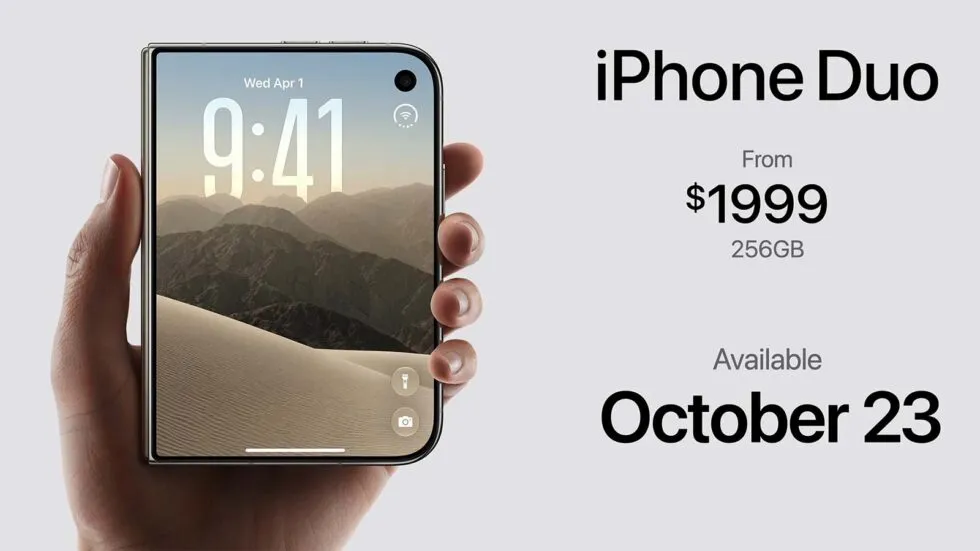
The iPhone Duo promises the convenience of a phone and the screen space of a tablet. In the video “iPhone Duo Review - Messier Than You Think”, however, the reviewer finds that its $2,000 price buys an unusual collection of trade-offs. This Belliste article analyzes the supplied video transcript; we have not independently tested the device.
The reviewer found that the Duo's inner display made 16:9 video nearly 50% larger than on an iPhone 18 Pro Max, while 18:9 video appeared around 20% larger. Very wide movies gained little because the extra height became black bars.
App optimization proved less consistent. Netflix and Apple's Books made good use of the display, but YouTube was imperfect and Google Docs stretched rather than properly reflowed its interface. Some games and conventional iPhone apps also failed to take full advantage of the screen. The reviewer noted that certain apps received fixes during testing and that more developers were expected to optimize for iOS 27.1. Buyers should verify their essential apps rather than assume the larger screen will automatically improve productivity.
The outer screen has its own issues: unusual proportions and a control bar can leave interfaces looking cramped or off-center.
Instead of Face ID, the Duo uses side-button Touch ID. The reviewer found it worked with banking apps and appreciated the raised button and support for multiple fingers. But holding the button, repositioning a thumb and finding the sensor in portrait orientation introduced repeated friction. Damp or greasy fingers could also make recognition less reliable.
Split-screen multitasking is the Duo's clearest functional advantage over a standard iPhone. The reviewer liked dragging apps into place and opening links into the opposite pane. However, the split was fixed at 50/50, portrait multitasking was limited and placing a floating video above another app took extra steps. The Galaxy Z Fold 8 was described as more flexible in some situations.
Safari was a particular highlight: the wide layout made browsing and switching tabs feel more desktop-like. The reviewer also praised the nano-texture finish, which reduced glare, fingerprints and the apparent crease, although with slightly reduced head-on contrast.
The Duo uses Apple's A20 Pro, but the video describes a smaller vapor chamber and additional thermal challenges when folded. In the reviewer's , sustained performance started below the iPhone 18 Pro Max and dropped faster over time. The reviewer said the Duo still beat Samsung's comparable foldable in that specific test. These results reflect the video's conditions, not a universal performance ranking.
The reviewer says the Duo's main camera sensor is approximately 33% smaller than the iPhone 18 Pro's, with no variable aperture. More importantly, the Duo has no dedicated telephoto camera. Its outer selfie camera is 12MP, compared with 18MP on the Pro, and its inner under-display selfie camera is 4MP.
Despite those specifications, the main camera performed better than the reviewer expected. Daytime skin tones and detail were often close to the Pro's, and low-light footage was usable. The biggest problem was zoom: digital cropping could not replace an optical telephoto, particularly for concerts and portraits. The reviewer considered the missing telephoto a personal dealbreaker.
The inner selfie camera was criticized heavily. A workaround is to open the phone and use the outer display as a viewfinder for the rear cameras, producing better selfies at the cost of convenience.
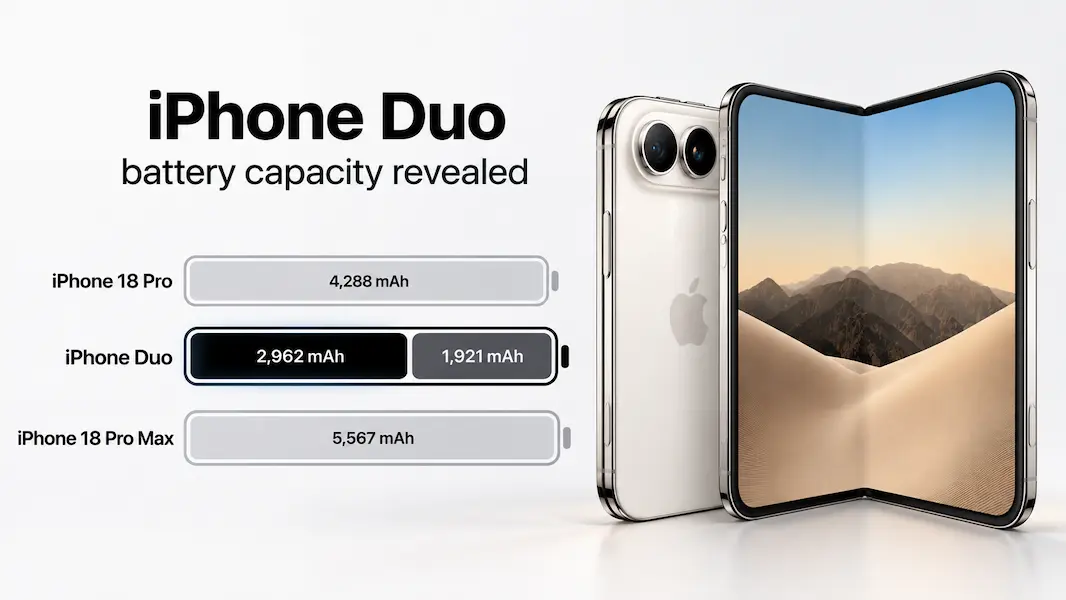
In the video's mixed-use test, which included open and closed use for foldables, the Duo reportedly outlasted the iPhone 18 Pro and Galaxy Z Fold 8 but finished behind the iPhone 18 Pro Max. After 20 minutes of charging, it reached 42%, the lowest result among the devices compared. Charging conditions and accessories matter, so these figures should be read as one reviewer's observations rather than universal guarantees.
The reviewer also found vocals less crisp through the Duo's speakers than on the Pro.
The Duo is described as almost 30% thicker than the iPhone 18 Pro Max when folded and about 20% heavier than the smaller iPhone 18 Pro. Opening it is a two-handed action; its volume controls are positioned unusually high; and the open device reportedly pivoted on some magnetic stands.
Its titanium construction and IP68 rating are reassuring, but the hinge and extra screen introduce more possible wear points than a conventional phone. That is a reason to consider long-term ownership, not proof of a specific reliability defect.
Choose the iPhone Duo if you already enjoy foldables, regularly use two apps together, and want the large low-glare display for browsing, reading and video. Its multitasking and screen finish are genuine strengths.
Choose the iPhone 18 Pro or 18 Pro Max if you prioritize Face ID, dependable app layouts, optical telephoto photography, easier one-handed use and fewer daily compromises. The Pro Max also performed better in the reviewer's battery and sustained-performance comparisons.
The video's central lesson is that the Duo's problems are cumulative. Each inconvenience is manageable. Together, they make a $2,000 foldable harder to recommend as the default iPhone.
This article is based on the provided video transcript, not Belliste hands-on testing. Numerical comparisons, subjective camera judgments and battery measurements belong to the video's reviewer. The transcript also contains sponsored accessory and charger segments; Belliste does not endorse those products.
Watch the source: https://www.youtube.com/watch?v=Xrxy_W78SKk
No. The reviewed iPhone Duo uses side-button Touch ID.
No. The video highlights the absence of a dedicated telephoto lens as a major compromise.
In the reviewer's mixed-use test, the Duo outlasted the smaller iPhone 18 Pro and Galaxy Z Fold 8 but fell behind the iPhone 18 Pro Max.
No. The reviewer found that some apps were optimized, while others stretched awkwardly or used the display inefficiently.
It can be worthwhile for people who use split-screen multitasking and value the folding display. For most buyers, the conventional iPhone Pro models avoid several compromises.