The Redmi Note 15 Pro 4G brings a 6,500mAh battery but little performance progress. A Morocco-focused video review of its price, cameras and compromises.
The Redmi Note 15 Pro 4G costs around 3,000 Moroccan dirhams in the supplied review, yet its processor belongs to a class found in considerably cheaper phones. Xiaomi has increased battery capacity to 6,500mAh, but left much of the experience familiar to Redmi Note 14 Pro 4G owners. The question is whether that bigger battery justifies the asking price.
This Belliste article draws on the linked Moroccan video, not independent device testing. The creator also sells both configurations through his store, so his price quotes and recommendations have a commercial context. The transcript occasionally confuses model names; this review concerns the 4G handset shown, not the separate 5G version.
The Moroccan reviewer identifies a MediaTek Helio G99-family processor. He considers it adequate in phones priced at 1,800–2,200 dirhams, but difficult to defend in a handset costing roughly 3,000. His complaint is about value, not basic usability.
The 4G model also lacks the faster mobile connectivity offered by the separate 5G variant. The video's transcript is unreliable about the 5G chipset name, so that specification needs checking against the exact variant rather than copying it here.
The video includes no benchmarks or sustained gaming tests. It cannot establish how the phone performs under prolonged load.
The 6.77-inch Full HD+ AMOLED panel runs at up to 120Hz and earns praise for its clarity. The quoted 3,200-nit peak brightness is a specification, not a measurement from the review.
The 5G version has a larger screen and different HDR and glass-protection specifications. The similar names conceal meaningful hardware differences.
The stereo speakers sound good to the reviewer, and the in-display fingerprint sensor responds quickly during his demonstration.
At the time of filming, the 8GB RAM / 256GB storage version carried a quoted official price of about 3,000 Moroccan dirhams, with local selling prices around 2,950. The 12GB / 512GB model was quoted at 3,600 dirhams officially and roughly 3,450–3,500 in shops.
These figures reflect the market when the video was recorded, not current listings. The creator's own shop offers both versions; compare prices elsewhere before buying.
Paying more for the 12GB/512GB version buys memory and storage, not a faster processor or 5G.
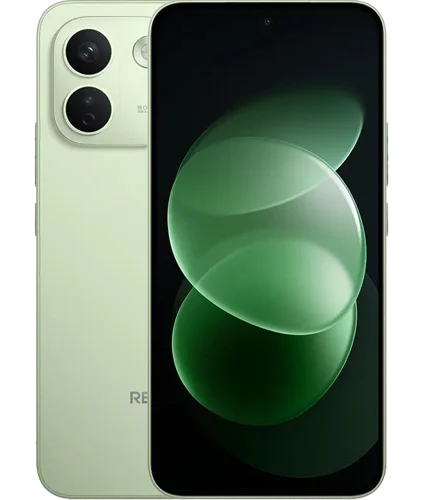
The camera island recalls the Note 14 Pro, and the plastic body fails to impress the reviewer.
The phone offers an infrared blaster and NFC. Its hybrid SIM arrangement allows either two SIM cards or one SIM and a microSD card; the reviewer says all three cannot be used together.
The battery grows from the previous 4G model's cited 5,500mAh to 6,500mAh. It is the clearest upgrade over last year's phone.
The phone supports 45W wired charging, and the box shown contains a 45W adapter, cable and black silicone case. Those inclusions are welcome, although contents can differ between markets.
The creator does not time a full charge or measure endurance, so the practical gain remains unknown.
The Redmi Note 15 Pro 4G uses a 200MP main camera alongside an ultrawide camera. The presenter shows sample photographs and considers the results good for the local price, but he sees little change from the Note 14 Pro's photo experience.
The video does not establish how the phone compares with the Honor X9D; no direct comparison is performed.
Rear video is described as topping out at 1080p/30fps. Walking footage looks steady, which the reviewer attributes to OIS, although the clip does not separate optical from electronic stabilization. The 20MP selfie camera also records at 1080p/30fps according to the review; its still photos are judged acceptable.
These limits refer to the reviewed 4G variant, not the 5G phone.
The phone is shown running Android 15. The presenter expects four major Android updates, potentially taking it through Android 19, but frames this as information available to him rather than a verified region-specific guarantee.
For buyers planning to keep the phone for years, the missing 5G support is worth weighing against the local price.
NFC and the infrared remote add convenience, while the hybrid SIM slot is worth noting for anyone who needs two phone numbers and expandable storage simultaneously.
For existing Note 14 Pro 4G owners, the comparison is not flattering to the new model. The bigger battery stands out, but the reviewer finds the camera experience, design and general performance too familiar to justify replacing a working phone.
Someone replacing a much older budget phone has more to gain from the screen and camera than an owner of last year's Pro.
The Redmi Note 15 Pro 4G has a good AMOLED display, pleasant stereo sound and a substantially larger battery. Its sample photos also satisfy the Moroccan reviewer. None of that makes the familiar processor easier to justify at roughly 3,000 dirhams.
If your Note 14 Pro 4G still works well, the battery increase alone is a weak reason to upgrade. New buyers should compare local prices for the exact 4G and 5G models before spending more on a higher-storage 4G configuration.
No. The version reviewed for the Moroccan market is the 4G model. It should not be confused with the Redmi Note 15 Pro 5G, which has different hardware.
The Moroccan review identifies a MediaTek Helio G99-family processor. Check the exact regional specification before purchase, since naming and configurations can differ.
The reviewed 4G model has a 6,500mAh battery and supports 45W wired charging. The video shows a 45W charger in the box.
The reviewer reports and demonstrates video recording up to 1080p at 30fps on the 4G model, rather than 4K recording.
The reviewer's advice is generally no: the larger battery is the main upgrade, while performance, cameras and overall design feel familiar. Your decision depends on battery needs and local pricing.