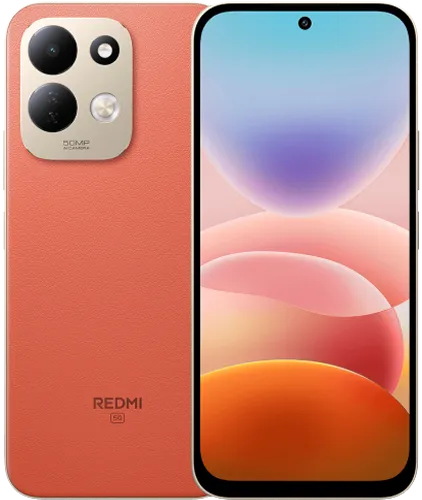
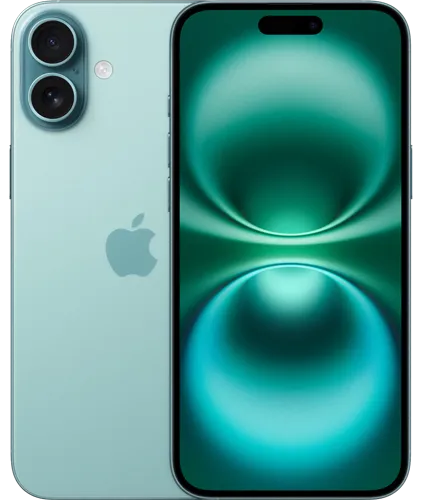
An iPhone user tests the Redmi Note 14 5G: sharp AMOLED, familiar software, useful ports and strong battery life, but modest video recording and some UI stutter.
An iPhone user switching to the Redmi Note 14 5G finds something his expensive handset lacks: a headphone jack, expandable storage and an infrared remote. The 120Hz AMOLED also impresses him. But Xiaomi's preinstalled apps, occasional interface stutter and weak ultrawide camera keep this from being an uncomplicated switch.
This Belliste review analyzes the linked hands-on video, not independent Belliste testing. Prices, software features and configurations reflect the creator's unit and filming period.
The reviewer is not entirely new to Android: he previously owned a Galaxy S3 and experimented with MIUI custom ROMs. Returning from iPhone, he recognizes the iOS-like app layout, animations, control center and search. That familiarity makes the switch less disruptive. The surprise is the collection of preinstalled games and third-party apps, which he immediately identifies as bloatware. He refers to Xiaomi's interface as MIUI; the video does not verify the handset's current software version.
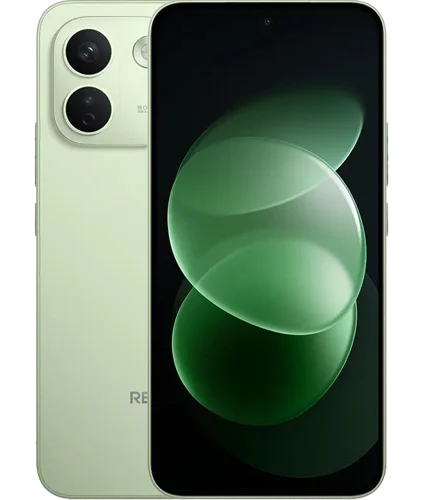
The phone has flat sides, rounded corners and a matte polycarbonate back that resembles frosted glass. The reviewer uses Coral Green; Midnight Black and Lavender Purple are also mentioned. The matte surface hides fingerprints and improves grip. The unboxing feels more satisfying to him than the sparse flagship packages he is used to, though he does not compare regional box contents.
The hardware is unusually practical: a 3.5mm headphone jack for wired audio, stereo speakers, USB-C, FM radio and a dual-SIM tray with microSD expansion for additional files. The infrared blaster is not just a specification on a list; he uses it to control his TV. Those are tangible conveniences for someone accustomed to an iPhone without a headphone socket or expandable storage.
The 6.67-inch AMOLED panel has a 2400 × 1080 resolution, approximately 395 pixels per inch and a 120Hz refresh rate. The reviewer finds text sharp, videos immersive and outdoor readability comfortable. He cites a 2,100-nit peak-brightness specification, but does not measure brightness. His iPhone 16 Pro Max looks brighter side by side, despite the headline numbers suggesting otherwise. That is a useful reminder that peak brightness figures are not directly comparable to ordinary screen visibility.
Slim side bezels and a centered selfie-camera cutout help the screen feel spacious during video playback. Gemini support and an AI photo eraser also appear in the review; their availability can depend on software version and region.
MediaTek's Dimensity 7025 Ultra powers the reviewed 12GB RAM and 512GB UFS 2.2 configuration; other capacities are sold in different markets. Browsing, social media and streaming rarely trouble it. PUBG and Call of Duty Mobile also play smoothly in the footage, though the video supplies no measured frame rates. The more noticeable hitch comes while navigating the operating system, where the creator occasionally sees stutter despite otherwise responsive apps.
The creator records 943 in Geekbench 6 single-core. The supplied transcript cuts off the multi-core score, so it cannot support a precise second figure. He also reports 2,495 points in a graphics test identified as Wild Life Extreme Single Shot, but does not supply enough context to compare sustained gaming performance. His Wi-Fi speed tests against an iPhone 16 Pro Max change noticeably between sessions; the phones also use different Wi-Fi generations. The footage supports a capable everyday handset, not a claim that it matches flagship hardware.
The reviewed phone has a 5,110mAh battery. In his own use, the creator gets more than six hours of screen-on time on a typical day and can sometimes stretch a light-use cycle to two days. He also mentions roughly 12 hours of web browsing, 10 hours of video and seven to ten hours of gaming, but provides no repeatable test method for those estimates. The most useful takeaway is his ordinary daily experience, not a laboratory endurance ranking.
The quoted 45W charging figures are approximately 34% in 15 minutes, 60% in 30 minutes and a full charge in about an hour. The video presents these as charging results without a detailed controlled test procedure. A half-hour top-up appears useful, but real times can vary with charger, temperature and starting battery level.
The reviewed model has a 108MP main camera with OIS, an 8MP ultrawide, a 2MP macro and a 20MP selfie camera. The main camera's daylight photos look colorful and detailed in the creator's examples. Night mode helps it retain usable brightness and detail after dark, while optical stabilization reduces the risk of hand shake. He is particularly impressed by how much better this main sensor performs than the price might suggest.
The ultrawide is usable in daylight but falls apart more quickly at night: the samples show noise, muted color and blown highlights. That makes the main camera the sensible choice for evening scenes, even when a wider composition would be convenient. Selfies have reasonably accurate color but less crisp detail and dynamic range than the creator expects from premium phones. The video offers no meaningful macro samples, so the 2MP camera cannot be judged from this source.
Video is the clearest camera compromise. The creator reports a 1080p/30fps recording limit, with no 4K mode demonstrated. That leaves less detail for cropping and editing than phones capable of 4K capture. He does not perform a controlled stabilization test, so the main camera's good still photos should not be taken as proof of equally strong video.
The reviewer mentions a cheaper 4G alternative but does not compare the two phones directly. Their chipsets, camera hardware and connectivity are not interchangeable. His roughly $300 price reference belongs to the filming period and should not be read as today's market price.
The Redmi Note 14 5G makes sense for someone who wants a bright 120Hz AMOLED, wired headphones, expandable storage and a capable main camera without paying flagship prices. Its battery also comfortably serves the reviewer's typical day.
Do not buy it expecting flagship-level video or consistently polished software. The creator encounters preinstalled clutter and occasional navigation stutter, the ultrawide deteriorates in low light, and the video recording shown stops at 1080p/30fps. For this iPhone user, the appeal is practical freedom—not a camera or performance victory over his flagship.
The Redmi Note 14 5G in the linked review uses the MediaTek Dimensity 7025 Ultra.
Yes. The reviewer demonstrates a 3.5mm headphone jack and a dual-SIM tray with microSD support.
The reviewer reports more than six hours of screen-on time during typical use and up to two days with light use on the 5,110mAh battery. These are personal-use observations, not standardized Belliste tests.
The video reports 45W charging, about 34% after 15 minutes, 60% after 30 minutes and a full charge in roughly one hour.
The reviewed phone's video recording is described as limited to 1080p at 30fps; the review does not demonstrate 4K capture.