Video-based Redmi 15C review: 6000mAh battery, 33W charging, Helio G81 Ultra, 120Hz LCD, 50MP camera and Redmi 14C comparison.
The Redmi 15C is a phone built around one obvious improvement: a 6,000mAh battery. Xiaomi has also raised wired charging support to 33W, refreshed the design and retained a large 120Hz screen. But the processor is familiar, the cameras are basic and the display remains 720p-class. For buyers who mainly need messaging, calls and long battery life, the changes matter; for gaming or photography, the hardware offers little reason to switch.
This Belliste article analyzes the linked 2025 video review. Observations about battery endurance, gaming, camera quality and handling come from that reviewer, not from independent Belliste testing. Prices and included accessories refer to the market and package shown in the video; they may differ elsewhere or in October 2026.
The reviewer quotes approximately ₦134,000, or around $90 at the time, for the 4GB RAM / 128GB storage version. He recommends paying an additional ₦9,000 for 6GB RAM because the lower-memory configuration could become sluggish with more apps installed. These are historical local-market prices, not verified current offers.
His box contains a 33W charging adapter, USB cable and transparent TPU case. Package contents vary between regions, so buyers should confirm whether their local retailer includes a charger rather than assuming every Redmi 15C ships identically.
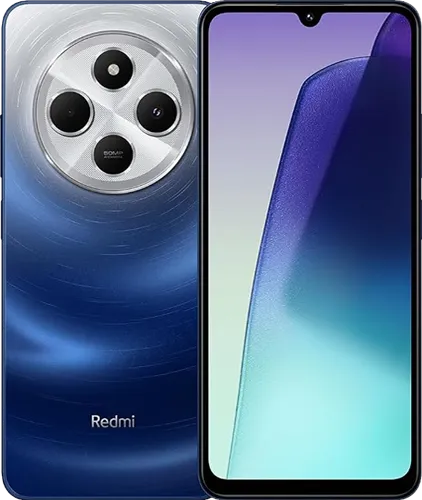
The reviewer prefers the Redmi 15C's flatter, simpler camera island to the chunkier arrangement on the Redmi 14C. He also likes the feel of the body, although this is still an entry-level phone rather than a premium glass-and-metal design.
At around 205g, with a 6.9-inch screen, the 15C is not particularly comfortable for one-handed use. The side-mounted fingerprint reader doubles as the power button; in the reviewer's use it responds reliably. The 3.5mm headphone jack has moved to the bottom edge, which may suit people who use wired earphones while holding the phone.
The reviewed handset carries an IP64 rating for dust and splash resistance. That does not make it waterproof or suitable for immersion. The reviewer mentions Gorilla Glass 3, but does not test its resistance to scratches or drops.
Xiaomi uses a 6.9-inch IPS LCD with 720p-class resolution and refresh rates up to 120Hz. The reviewer notices smoother scrolling when the higher refresh mode engages, but says it is not applied consistently across every app.
The generous screen area helps with reading and video, but text and fine detail look less crisp than on a similarly sized Full HD panel. The U-shaped notch and thick bezels also make the front look dated. He finds brightness and color acceptable indoors and in typical outdoor use, without providing brightness measurements.
The reviewer sees smoother scrolling in some apps, but the Helio G81 Ultra cannot deliver consistently high game frame rates simply because the screen supports 120Hz.
The Redmi 15C in this review runs on the MediaTek Helio G81 Ultra, a chipset also associated with its predecessor. The reviewer regards the lack of a substantial processor upgrade as a missed opportunity, particularly when competing entry-level models offer faster silicon.
Calls, WhatsApp, social apps and light browsing work acceptably in his experience. The phone runs Android 15 with HyperOS 2, which he finds more responsive than the software on the Redmi 14C. He does not provide comparative app-launch timings.
There are limits to multitasking: the reviewer reports no split-screen or floating-window features on his software build. He also encounters preinstalled apps and promotional content. Many optional applications can be removed and some ads disabled, but buyers should expect to spend time cleaning up the interface.
The reviewer tries PUBG and Call of Duty: Mobile. Both are playable at low graphics settings, but longer sessions bring warmth and occasional lag. He does not provide measured FPS averages, frame-time charts or controlled thermal data, so the video supports a practical judgment rather than a benchmark ranking.
If gaming is a major reason for buying a phone, the 15C's large screen alone does not solve the chipset limitation. It is better suited to short casual sessions than sustained demanding play.
Capacity rises from the Redmi 14C's 5,160mAh to 6,000mAh. The reviewer reports around two days of use for lighter workloads, while heavier users should generally get through a day in his experience. Those estimates depend on brightness, mobile reception, app use and gaming; the video does not include a standardized endurance test.
Charging support increases to 33W. The reviewer notes that the previous Redmi 14C could come with a 33W adapter while the phone itself supported only 18W charging. The distinction matters: a high-wattage charger in the box does not automatically mean the device accepts that power.
For the 15C, the reviewer estimates roughly 80–90 minutes for a full charge. That is a real-world approximation from the video, not a Belliste measurement or a guarantee for every charger and ambient temperature. The endurance gain matters most for people who cannot recharge during the day.
The rear camera is led by a 50MP main sensor. In daylight, the reviewer finds detail and color acceptable for an inexpensive handset. Low-light images are less convincing, and the video does not provide a controlled comparison with rival phones.
The 8MP selfie camera is a modest specification. The reviewer describes it as a downgrade from the previous model, but his transcript gives the Redmi 14C's former resolution inconsistently. Rather than repeat an unsupported figure, the useful point is that the 15C's front camera is basic and its image processing is not a reason to choose the phone.
Video recording tops out at 1080p/30fps in the review. The reviewer notices shaky footage when moving and describes stabilization as absent. That makes stationary clips a safer use case than walking videos. A 50MP still camera cannot compensate for a limited video pipeline.
The Redmi 15C has a single bottom-firing speaker, not a stereo pair, according to the review. There is also no infrared blaster on the reviewed model. These omissions matter if you watch a lot of videos without headphones or use your phone to control home electronics.
The reviewer finds few dedicated built-in AI tools compared with some competing budget devices. That observation concerns the reviewed software experience, not a claim that third-party AI apps cannot run on the handset.
The reasons to move from a Redmi 14C are specific: a larger 6,000mAh battery, faster 33W supported charging and a cleaner-looking camera module. The Redmi 15C also launches with Android 15 and HyperOS 2 in the reviewed market.
What has not changed enough is the basic performance tier. The Helio G81 Ultra still targets everyday tasks rather than demanding games. The large LCD remains relatively low-resolution, and the camera experience does not make a compelling case for an immediate replacement.
That is why the reviewer advises Redmi 14C owners to skip this upgrade. The 15C is easier to justify for someone replacing a much older device, especially if battery life is the main frustration.
Choose the Redmi 15C for messaging, browsing and long stretches away from a charger. Its faster charging, revised design and reliable side fingerprint reader strengthen that case, according to the reviewer.
Its 720p-class LCD, Helio G81 Ultra and single speaker are the trade-offs. Moving video remains shaky in the reviewer's footage. At the historical Nigerian price quoted in the review, the phone appealed as an affordable everyday device. Today's decision should be based on current local pricing and nearby alternatives.
Buying advice: choose 6GB RAM over 4GB if the price difference is small, as the reviewer recommends for people who install many apps. Choose another phone if gaming or camera quality comes first. Existing Redmi 14C owners gain too little beyond battery and charging to justify a routine upgrade.
The Redmi 15C version covered in the linked review uses the Helio G81 Ultra and supports 4G LTE. Do not confuse it with a separately marketed Redmi 15C 5G model.
The reviewed Redmi 15C has a 6,000mAh battery and 33W wired charging. The reviewer estimates about 80–90 minutes for a full charge and reports up to two days for lighter use.
The reviewer plays PUBG and Call of Duty: Mobile at low graphics settings. He reports warming and occasional lag during longer sessions, so it is better suited to light gaming.
The version in the review has a 50MP main rear camera and an 8MP front camera. The reviewer finds daylight images adequate but notes weak low-light results.
The reviewer advises against upgrading directly from the Redmi 14C. The Redmi 15C brings a larger battery, faster supported charging and refreshed design, but retains similar entry-level performance.