A hands-on look at the Redmi 15 5G's 7,000mAh battery, 144Hz LCD, Snapdragon 6s Gen 3, 50MP camera and the limits of its first-impressions review.
Xiaomi puts a 7,000mAh battery inside the Redmi 15 5G, yet the phone is only 8.4mm thick. In the unboxing video, the reviewer is impressed by how manageable it feels. The less impressive discovery comes in the camera app: no ultrawide lens, no 4K recording and no 60fps option. Those omissions explain where Xiaomi has kept costs down.
This Belliste article analyzes the linked unboxing and first-impressions video, not independent Belliste testing. The creator walks through the hardware and software, but does not measure battery endurance, run benchmarks or conduct a detailed camera test.
The reviewer unboxes the Midnight Black version with 8GB RAM and 256GB storage. His retail package includes a 33W charger, USB-C cable, protective case, SIM ejector tool and documentation. Contents can differ by region, so buyers should check their local listing.
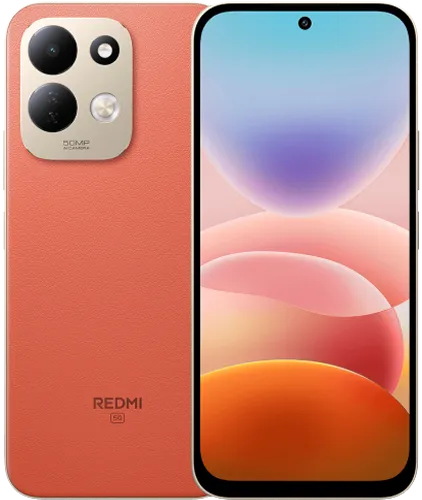
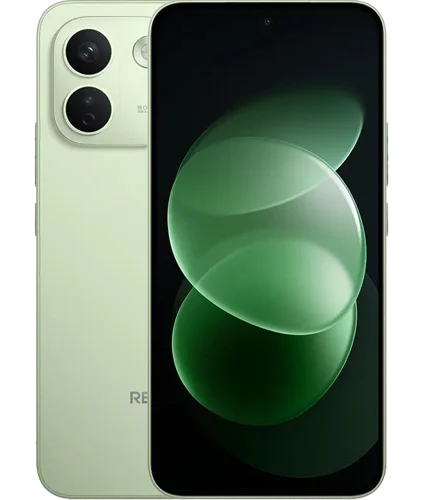
The plastic back of the Midnight Black unit has a subtle glitter finish; the reviewer identifies the camera-island plate as aluminum. At 8.4mm thick and 217g, this is a sizeable phone, although the reviewer finds it solid and comfortable in hand. The rounded edges make the broad handset easier to grip than its dimensions might suggest.
The rear island has three circular elements, but only two contain imaging hardware: a main camera and depth sensor. The third is decorative. The reviewer objects because it suggests a triple-camera arrangement that does not exist. The relatively shallow bump also means the phone sits fairly steadily on a desk.
The phone includes an infrared blaster, bottom-firing speaker, USB-C port and side-mounted fingerprint reader. The hybrid SIM tray accepts either two nano-SIM cards or one SIM and a microSD card. IP64 protection covers dust and splashes, not submersion.
The 6.9-inch IPS LCD has a 2340 × 1080 resolution, around 375 pixels per inch and a claimed maximum brightness of 850 nits. The reviewer finds it sharp, colorful and comfortable to view at different angles. He does not measure outdoor brightness, so the 850-nit figure should be treated as a specification rather than a test result.
Gorilla Glass 3 and a factory-applied screen protector cover the panel. The centered punch-hole selfie camera and thicker bottom bezel are visible reminders of the price category.
Although Xiaomi advertises up to 144Hz, the creator says that refresh rate is limited to selected applications; the interface generally runs at 120Hz. Settings allow 60Hz, a higher custom setting or automatic adjustment. Crucially, a 144Hz panel does not mean the Snapdragon chip can render demanding games at 144 frames per second.
The reviewed unit has 8GB RAM and 256GB storage. The reviewer shows approximately 228.3GB available after setup, with about 27.7GB occupied. The microSD option is useful if that capacity is not enough, but using it takes the second SIM position.
Xiaomi's memory-extension setting can allocate up to 8GB of storage as virtual RAM. It may help keep background apps available, but storage-backed memory is slower than physical RAM and cannot be assumed to improve gaming frame rates.
Menus respond quickly during setup, but the reviewer does not launch demanding games or show benchmark results. Whether the Snapdragon 6s Gen 3 holds up under prolonged load remains unanswered.
The unit runs Android 15 with HyperOS 2.0.203 at the time of filming. The reviewer browses Xiaomi's gallery, browser, music, video, security and remote-control apps alongside Google's suite. Several third-party applications are preinstalled; he shows that unwanted ones can be uninstalled.
App switching and scrolling look fluid in the footage. The video does not establish how HyperOS behaves after months of installed apps and updates.
The reviewer identifies the 7,000mAh silicon-carbon battery as the phone's main selling point. It supports 33W wired charging and 18W reverse wired charging. Reverse charging allows the handset to supply power to compatible accessories or another phone through a cable.
No discharge or full-charge test appears in the video. We therefore cannot say how many hours the phone lasts or how long it takes to recharge from empty. The capacity is substantial, but the large display, mobile-network conditions and workload will influence real-world endurance.
The rear system contains a 50MP main camera and a depth sensor. There is no ultrawide or telephoto lens. The camera app offers a 2× zoom button, but the reviewer confirms it is digital zoom rather than a dedicated optical lens.
He demonstrates full-resolution 50MP capture, portrait mode with adjustable background blur, night mode, HDR controls and time-lapse. The front camera is 8MP. The video shows which modes exist, not how well the cameras perform. There are no controlled photo comparisons to judge detail, night scenes or portrait edge detection.
The reviewer checks the camera app and finds 1080p at 30fps as the maximum recording option on both rear and front cameras. There is no 4K or 60fps setting on his unit, and he reports no slow-motion mode.
At 30fps, fast movement offers fewer frames to work with than 60fps footage, while the lack of 4K leaves less detail for cropping. The reviewer does not test stabilization or microphone quality.
Consider the Redmi 15 5G if you watch plenty of video, need room for files on a microSD card or want a phone that can reverse-charge accessories. The large LCD and fast-feeling interface suit those priorities. The infrared blaster is useful for controlling appliances, and the reviewed box includes a case and charger.
Look elsewhere if you want OLED contrast, ultrawide photography or sharper, more flexible video recording. The decorative third ring on the back does not add another shooting option.
The Redmi 15 5G has a clear audience: people who would rather carry a large-battery phone with expandable storage than pay extra for multiple cameras. Its relatively slim body and responsive-looking display strengthen that case.
The camera limitations are already visible in the settings, but the biggest unanswered question is endurance. The reviewer has not measured how long the battery lasts or how quickly it fills. Until those results are available, the verdict is narrower than Xiaomi's battery-first marketing: promising for everyday media and messaging, unproven for longevity and gaming, and poorly equipped for ambitious video work.
The unit shown in the unboxing video uses Qualcomm's Snapdragon 6s Gen 3 processor.
The phone has a 7,000mAh battery with 33W wired charging and 18W reverse wired charging. The video does not provide measured endurance or full-charge times.
The 6.9-inch FHD+ IPS LCD supports up to 144Hz in selected applications; the reviewer says the interface usually runs at 120Hz.
No 4K option appears on the reviewed unit. The reviewer demonstrates up to 1080p at 30fps on both front and rear cameras.
Yes. The SIM tray has a hybrid second slot that can take a microSD card instead of a second SIM.