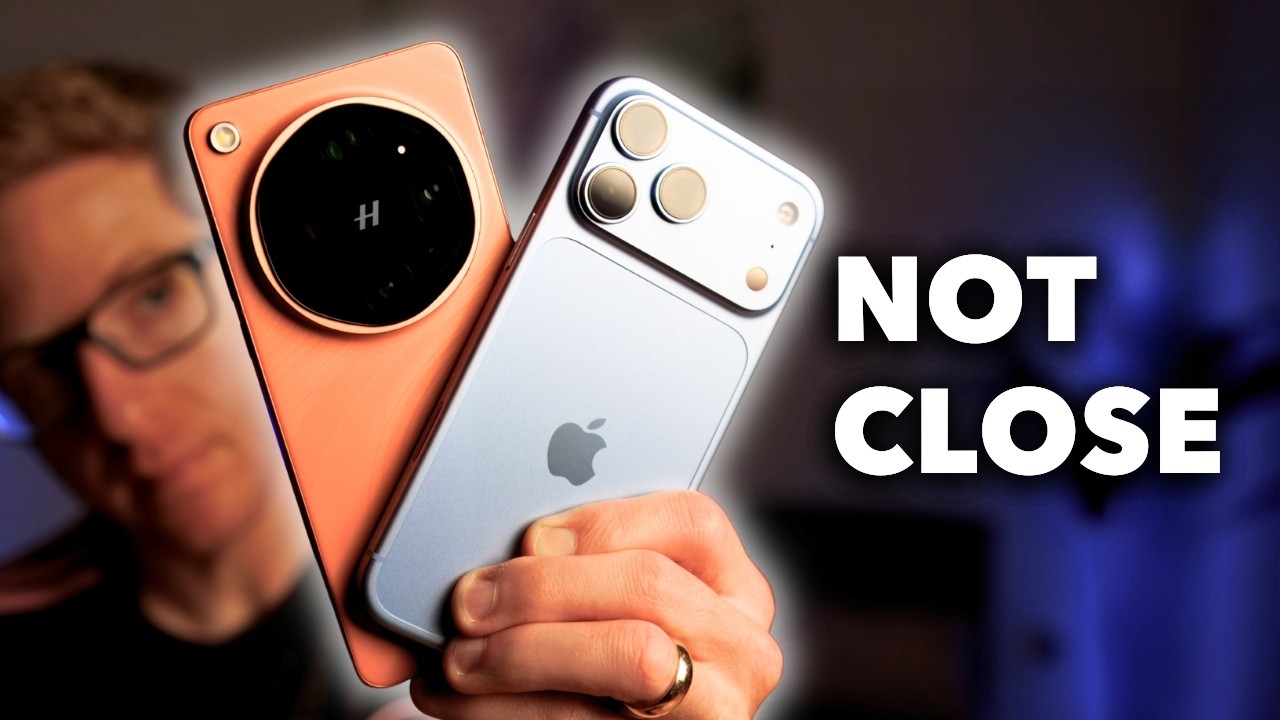
A nature walk reveals two different approaches to telephoto photography, while portrait-video modes and close main-camera results complicate the verdict.
The heron is the reason a long lens matters. In this comparison, the reviewer finds birds that will not let him approach and starts photographing at 20x and 30x. He is particularly impressed by an OPPO result.
Yet later in the same video, he admits that the Xiaomi 17 Ultra keeps up much better than expected. Most photographs, he says, are very similar.
Those observations belong together. The OPPO Find X9 Ultra offers a distinctive long-distance camera option and recording modes the reviewer finds more flexible. That does not make the Xiaomi a weak camera phone, or establish a large difference in every ordinary photograph.
This article analyses the supplied vlog comparison and manufacturer information. Belliste has not independently tested the phones or examined the original full-resolution files.
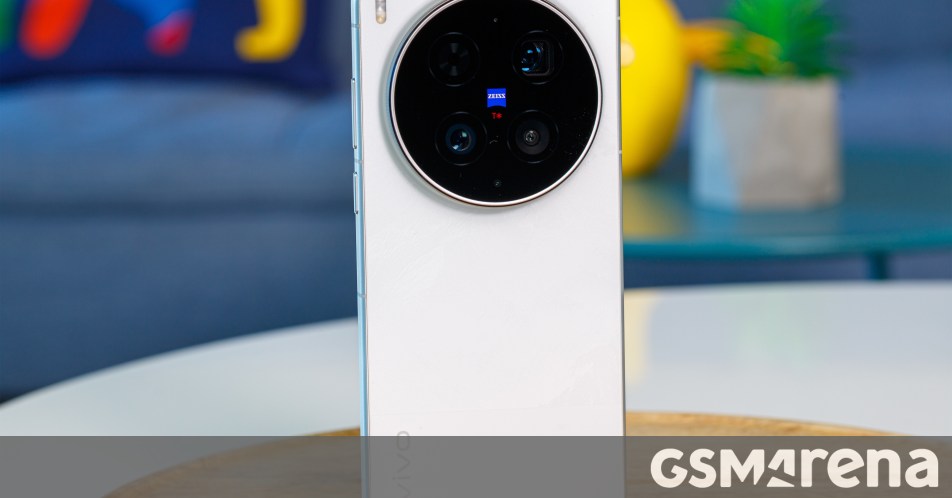
OPPO gives the Find X9 Ultra separate shorter and longer telephoto cameras, including a native 10x view. Xiaomi’s official product information describes a 200MP telephoto with mechanical optical zoom between 75mm and 100mm equivalent.
These are different photographic tools. Xiaomi’s moving optical arrangement offers flexibility within a moderate telephoto range. OPPO’s additional long lens gives distant subjects a dedicated optical starting point.
The transcript sometimes compresses those distinctions into statements about one phone going farther. That needs care. Both can select digital zoom beyond their optical views; choosing a larger number does not create an additional optical lens.
Likewise, Xiaomi’s advertised optical-quality extensions beyond 100mm should not be confused with the mechanical optical range itself.
For the buyer, the useful distinction is the distance you repeatedly need. Portraits and details nearby may fit Xiaomi’s moderate range well. Wildlife across water or a detail high on a building may make OPPO’s dedicated long view more valuable.
The reviewer’s nature walk is an appealing example because the subject cannot simply be repositioned. He likes the photographs produced at considerable magnification and singles out OPPO for a particularly impressive result.
That supports interest in its long-range capability. It does not establish that every fine feather visible in a heavily processed image was resolved faithfully.
At 20x and 30x, cropping and computational processing remain important, even when the phone starts from a native 10x lens. Subject movement, light and focus can also determine which individual frame succeeds.
Someone buying for wildlife should look beyond a single attractive sample. Check several attempts, the success rate with movement and the detail that survives at a normal output size.
The moon examples deserve even more restraint. The reviewer himself suspects AI processing at maximum zoom. A convincing moon photograph is not a reliable measure of how the same camera records an unfamiliar distant subject.
The reviewer reports that OPPO’s portrait-video mode offers 4K recording and works with more rear camera views, while Xiaomi’s demonstrated mode is limited to 1080p and the main camera. He also prefers OPPO’s wider selfie portrait-video framing.
Those observations concern the modes available on his test units. They should not be shortened to “Xiaomi only records 1080p video.”
Xiaomi and Leica publish support for demanding recording options, including Dolby Vision or ACES Log at up to 4K120 on the main and telephoto cameras. Standard video, simulated portrait blur and enhanced stabilisation are separate capabilities.
If you regularly record a presenter with a blurred background, OPPO’s demonstrated flexibility could be useful. Check hair, glasses and moving hands as well as output resolution: a sharper file does not automatically mean more convincing subject separation.
For ordinary video without simulated blur, the comparison needs to return to exposure, focus, movement and sound rather than carrying over a verdict from portrait mode.
During the more demanding movement section, the reviewer says OPPO’s steady mode records in 4K while Xiaomi’s selected equivalent is limited to 2.8K. That is a useful workflow distinction, subject to firmware and mode settings.
It is not proof that all stabilised Xiaomi video is capped at that resolution. Nor does the higher output number alone establish smoother motion or more genuine detail.
Look at how much of the scene is cropped away, how the edges behave and whether walking introduces sudden jumps. A mode that holds the image steady may still be inconvenient if it cuts out the person beside you.
The reviewer also records less demanding handheld scenes through the rear cameras and praises both phones. That suggests the difference may matter more in the specific enhanced mode than in every recording situation.
Choose according to how you film. Walking narration, a stationary interview and a clip made while moving quickly do not ask the same things of stabilisation.
The presenter repeatedly finds strong results from both main cameras. Later, he says the overall gap is smaller than he expected and that the phones often go head to head.
Xiaomi’s 1-inch-type main sensor is a significant hardware feature, but it cannot settle the comparison on its own. Lens characteristics, capture settings and processing still shape the result.
The same applies to OPPO’s additional rear camera. More focal-length options can expand what you photograph without improving a main-camera scene taken from the same position.
In the high-resolution section, the reviewer chooses 50MP output on both and prefers OPPO’s more natural appearance. That preference belongs to those captures. It should not become a claim that one brand always produces more accurate colour.
His final front-camera check provides a concrete reference: a yellow jumper and orange bag. Familiar objects are useful for judging colour, although a spoken recollection is not a calibrated accuracy measurement.
If colour matters to you, compare the files on the same display with consistent settings. Different phone screens can make the camera output seem more different—or more similar—than the files themselves.
The reviewer enjoys macro photography on both phones and encourages using the telephoto options. That does not mean every available telephoto setting focuses equally close.
Xiaomi advertises 30cm macro photography for its telephoto arrangement. The useful buying question is whether that working distance suits your subject.
For small products, insects or food details, check how much the subject fills the frame without additional cropping. Also inspect depth of field: focusing on one part of a small object may leave another part soft.
A dedicated long lens can be valuable at a distance without automatically being the best tool at close range. The supplied transcript does not give a matched minimum-focus test, so it cannot settle that distinction for every lens.
The reviewer shows OPPO flashing during a timed capture despite the ordinary flash setting being off, and says he cannot disable it in that setup.
That is an observation about the timer behaviour he encounters, not proof that every flash-related setting is broken. A countdown indicator and an exposure flash can have different functions.
Still, it is worth testing if you often photograph quietly, work around animals or use a timer in dim surroundings. Small camera-app behaviours can become more frustrating than a minor image-quality difference.
The optional OPPO teleconverter also appears in the verdict, but the reviewer does not have it. Its potential should remain separate from results demonstrated in this video.
The reviewer ultimately chooses OPPO, especially for zoom and camera flexibility. The nature sequence and portrait-video discussion provide specific reasons for that preference.
His admission that Xiaomi stays close is equally important. If most of your work uses the main camera and moderate telephoto range, this video gives little reason to assume a dramatic everyday gap.
OPPO is the more compelling choice here when distant subjects and its demonstrated specialised video modes address a recurring need. Xiaomi remains a serious option when its optical range, main-camera output and recording workflow suit you better.
The transcript also mentions display, battery and charging advantages in its conclusion, but supplies no matched measurements for those categories. This article therefore does not use them to manufacture an overall phone ranking.
Compare current local offers, warranty and the exact regional models before paying. Then decide whether the photographs that favour OPPO are photographs you make often enough to justify any premium.
Original vlog comparison and supplied transcript · OPPO Find X9 Ultra specifications · Xiaomi 17 Ultra product information · Leica camera and recording information
He prefers the OPPO Find X9 Ultra overall, particularly for zoom and recording flexibility, but says many results are very similar and that Xiaomi performs better than he expected.
OPPO has a separate native 10x telephoto alongside its shorter telephoto. Xiaomi uses a mechanical optical zoom arrangement covering 75–100mm equivalent. Digital zoom beyond either optical range still involves cropping and processing.
No. The reviewer’s 1080p comment concerns the portrait-video mode he demonstrates. Xiaomi and Leica also publish higher-resolution recording capabilities, including up to 4K120 on the main and telephoto cameras in supported modes.
No. Cropping and computational processing affect high-zoom output. Check repeated photographs and moving subjects rather than treating one convincing sample as proof of complete detail accuracy.
No. The reviewer mentions it as an option but says he does not have it. Its performance should not be included among the demonstrated results.
They describe the modes and software available on the reviewer’s units. Check current firmware and the exact resolution, lens and stabilisation combination you intend to use.