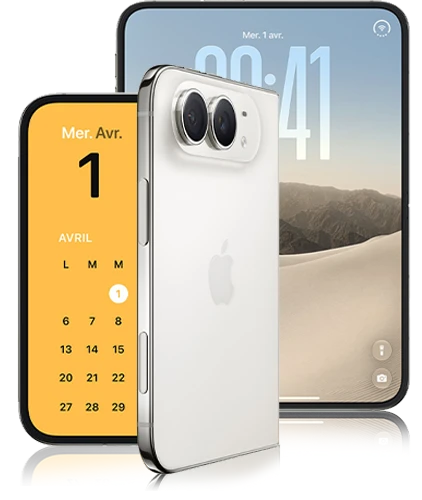
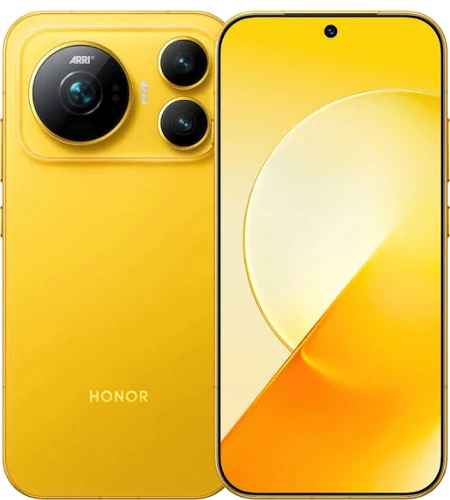
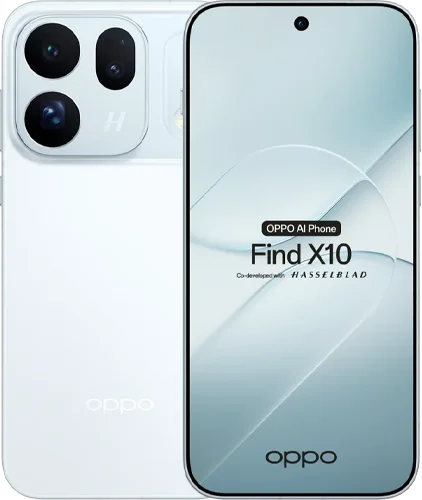
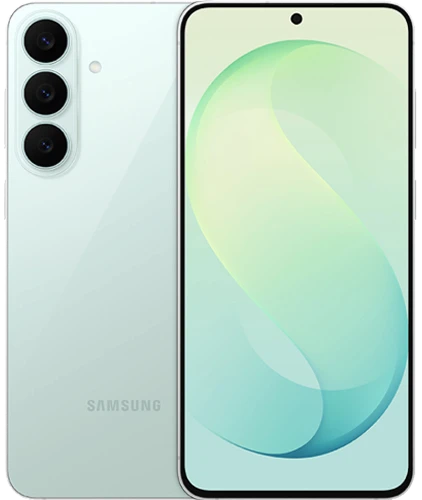
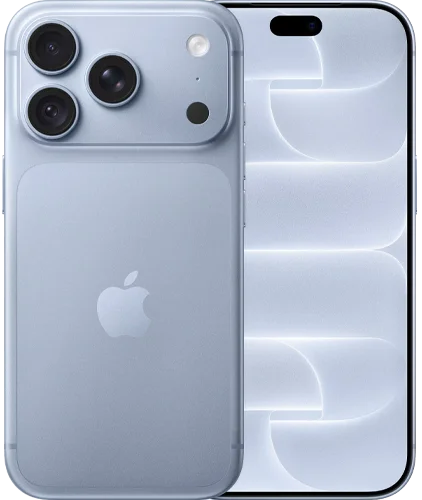
OPPO wins this reviewer’s photography preference, but Apple wins his US buying recommendation. Here is how battery, video and local support change the decision.
A phone can take your favourite photographs and still be the harder one to recommend. That is the tension running through this comparison of the OPPO Find X9 Ultra and iPhone 18 Pro Max.
The reviewer prefers OPPO for photography, enjoys ColorOS and describes excellent battery life during travel. Yet for most buyers in the United States, he chooses the iPhone. The deciding factor is the combination of dependable video, competitive endurance and easier access to support and accessories.
His conclusion is useful precisely because it is local. Buying an imported OPPO in the US is a different proposition from buying one with official support in your own market. This article examines that distinction using the supplied transcript and manufacturer information. Belliste has not independently tested either phone.
The reviewer recalls using the Find X9 Ultra extensively in Italy and Greece. He says many of his favourite photographs came from it, particularly portraits and distant subjects.
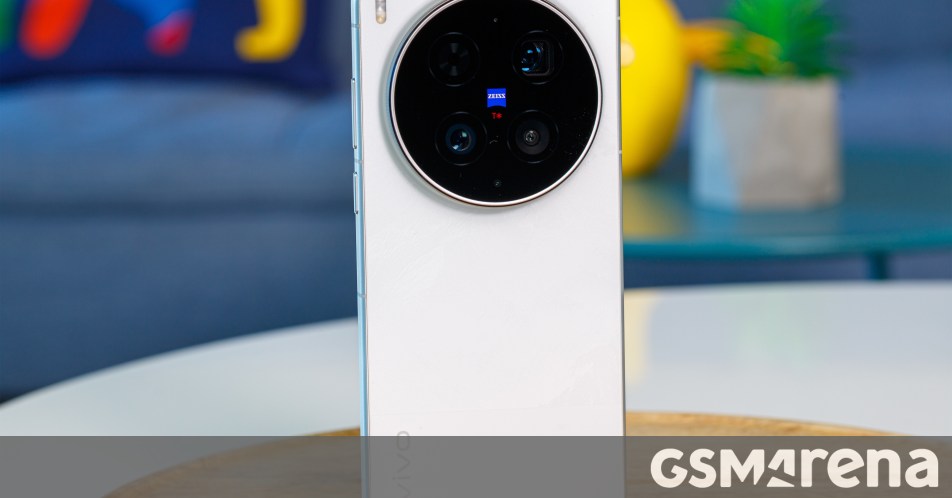
OPPO’s published specifications confirm a 200MP main camera, a 200MP telephoto and a separate 50MP long telephoto, alongside the ultrawide. The dedicated long lens is the significant point here: it offers another optical framing option when the subject cannot be approached.
For travel, that can change what you photograph. An architectural detail across a square, wildlife beyond a path or a distant face may be easier to frame without depending entirely on a crop from a shorter lens.
The reviewer particularly likes the portraits from the shorter telephoto and the background separation it produces. That does not eliminate computational processing, and pleasing blur is not proof that every edge is optically rendered. Nevertheless, the account explains why this camera system remains attractive to someone who deliberately chooses focal lengths.
There is a limit to the praise. The presenter finds that OPPO sometimes makes colours too vibrant, with fine detail in darker colours less convincing than he would like. He occasionally prefers the iPhone’s more restrained rendering.
Treat that as a reason to inspect your own subjects. A landscape that looks striking on a screen and a dark jacket that needs believable texture ask different things of the processing. Neither brand’s default look will suit every photograph.
For an important recording, the presenter trusts the iPhone more. He reports occasional exposure changes and flickering on OPPO in difficult lighting, and prefers Apple’s front-camera video in low light.
Those are observations from his use, rather than a measured failure rate. The transcript does not document matched exposure settings, frame rates or artificial-light frequencies, so it cannot isolate the cause of every flicker.
The distinction is still worth investigating if you record events, indoor interviews or family moments you cannot repeat. A phone with extensive recording options can remain less convenient if you need to monitor exposure behaviour closely.
Apple’s official information also lists controls for shutter speed and white balance. For someone willing to use them, manual settings can help maintain a consistent look. They are tools rather than a guarantee: unsuitable shutter choices can introduce problems of their own.
Before choosing either handset for serious recording, make a short clip in the lighting you actually use. Walk between brighter and darker areas, include a face, and listen to the sound. Open the result in your normal editing or sharing workflow. That test is more informative than counting supported recording modes.
The most provocative claim in the video is that Apple has largely removed the endurance advantage that once made an imported Chinese flagship easier to justify.
The reviewer describes finishing demanding OPPO travel days with around 40–50% remaining, then says the iPhone comes surprisingly close in his routine. That is a substantial endorsement of both experiences. It is not a matched endurance benchmark.
The transcript’s OPPO capacity is garbled. The manufacturer lists 7,050mAh typical capacity for the Find X9 Ultra. Capacity alone cannot establish comparative runtime across different displays, processors and operating systems.
Nor can the reviewer’s impressions prove that the entire difference comes from Apple’s chip efficiency. Screen settings, network conditions, applications and workload distribution all contribute. To judge a particular use, seek a comparison that controls those variables.
The more defensible buying conclusion is personal: if both phones comfortably finish your longest ordinary day, a small endurance difference may matter less than the camera or repair arrangements. If one repeatedly needs an afternoon charge during your workload, that changes the decision.
The review suggests the iPhone deserves to be assessed on its current behaviour rather than dismissed using an older reputation. It does not establish that every Android battery advantage has disappeared.
The presenter says both phones took roughly an hour to charge from empty using their fastest compatible equipment. The supplied transcript contains no detailed charging curve, starting-temperature record or repeated trials.
Apple advertises up to 50% in around 15 minutes with a 60W-capable or higher adapter supporting Adjustable Voltage Supply and a USB-C cable. That is a conditional manufacturer claim, not a promise that any adapter marked 60W will produce the same result.
OPPO lists up to 100W SUPERVOOC, with a lower maximum in low-voltage regions. Its higher headline wattage does not mean it draws that power continuously throughout the charge.
Full-charge time and short top-up performance are different questions. Someone plugging in overnight may care little about either. Someone with fifteen minutes before leaving should compare the charge gained during that interval under equivalent conditions.
The battery-health discussion also needs restraint. A displayed 100% health reading is an estimate reported by the phone, not proof of zero physical ageing. Long-term durability cannot be settled by this comparison.
The reviewer finds the heavier iPhone more comfortable in his hand. He dislikes how often his finger meets OPPO’s large camera island.
That is a useful reminder that mass does not fully describe handling. Shape, balance, camera placement and a case can outweigh a modest weight difference. The right test is holding the phone while typing and framing a photograph, rather than simply lifting it.
The transcript also discusses OPPO’s rear material as a reason to worry less about breakage. That should not become a durability claim for every colour or version. A material preference is not a drop-test result, and damage can occur elsewhere even when a rear panel survives.
For either handset, assess the finished setup with protection fitted. A case that fixes the grip may also add enough bulk to make one-handed use less comfortable.
The presenter likes ColorOS for split-screen use, floating windows and customisation. He prefers aspects of its daily operation even while trusting Apple’s broader ownership experience more.
The transcript contains several obvious name substitutions, including references to Apple providing Android updates. Those errors should not be repeated as support commitments. This article does not infer an exact update policy from them.
Likewise, examples of people still using old iPhones demonstrate those individuals’ experience, not a guarantee of identical software support for every future device. Verify the actual operating-system and security commitments for the model and market you are buying.
AI features need equally specific checking. The reviewer finds tools for organising saved information, editing photographs and summarising recordings useful, but notes regional differences and usage limits. Before paying for an advertised feature, confirm its language support, availability and any quota on your exact software version.
For gaming, the choice is not just benchmark performance. The reviewer enjoys Apple Arcade and values Android’s flexibility for emulation. Neither point establishes that every game or emulator works on one platform and not the other. Check the applications you actually intend to use, including controller support and any subscriptions.
The reviewer lives in the United States. His difficulty finding OPPO cases, screen protectors and convenient repair options is central to his recommendation.
That is an ownership cost, even when it does not appear on the receipt. Waiting for an imported accessory or arranging an overseas repair can consume time and leave you without a working phone.
But it should not be generalised to every buyer. Where OPPO officially sells and services the model, the balance can change. Conversely, buying an iPhone also requires checking the warranty and service available for the particular unit in your country.
Ask the seller who handles a broken screen, where the repair takes place and what warranty applies. For an import, confirm network compatibility and the services you need before assuming a global specification page describes the exact experience.
Existing devices add another cost. If a watch, computer and shared family services already fit one platform, switching may involve replacing hardware or changing habits. That convenience has value, but its value depends on what you own.
The Find X9 Ultra is the more compelling choice in this review for someone who actively uses portrait and long-telephoto photography and is comfortable checking the practicalities of ownership.
The iPhone 18 Pro Max is the reviewer’s safer recommendation for a typical US buyer because he finds its endurance competitive and values video consistency, accessories and support. That conclusion should remain attached to his location and experience.
For a buyer elsewhere, start with local price and service, then decide which camera behaviour matters most. Neither an excellent photograph nor a convenient repair network makes every other consideration disappear.
The useful question is not simply which phone wins. It is which compromise will interrupt your life more often: missing a photograph you wanted, or managing the practical work of owning the phone that takes it.
Source video and supplied transcript · OPPO Find X9 Ultra specifications · Apple iPhone 18 Pro specifications · Apple iPhone 18 Pro Max support specifications
The reviewer prefers the OPPO Find X9 Ultra for portraits, travel and zoom, while sometimes favouring the iPhone’s colour rendering. These are attributed preferences, not Belliste laboratory results.
For most US buyers, he values its video reliability, competitive endurance and easier access to accessories and service. His recommendation is tied to his location and ownership experience.
OPPO lists a typical capacity of 7,050mAh. The number in the supplied transcript is garbled. Capacity alone does not determine comparative runtime.
It reports approximately that experience, but provides no detailed charging log or repeated matched trials. Equipment, temperature and charging settings affect the outcome.
Apple specifies a 60W-capable or higher adapter with Adjustable Voltage Supply, paired with a USB-C cable, for up to 50% charge in around 15 minutes under its test conditions.
They should reassess local service, warranty, price, accessories and network compatibility. The reviewer’s difficulties owning an imported OPPO in the US do not automatically apply where the model has official support.