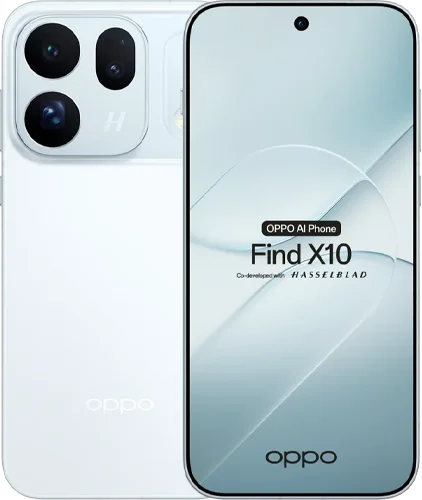
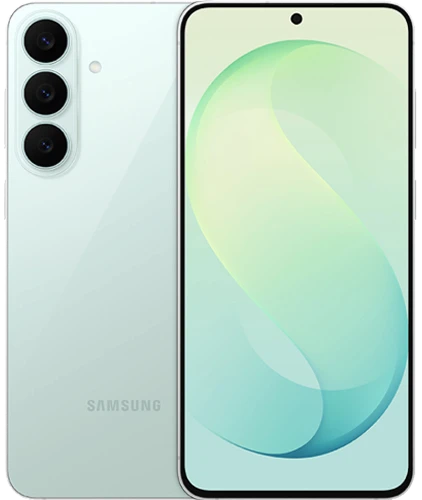
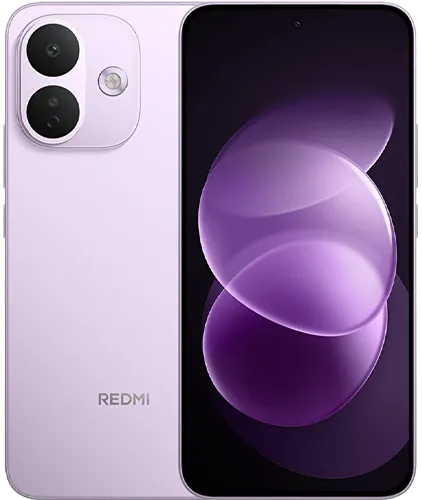
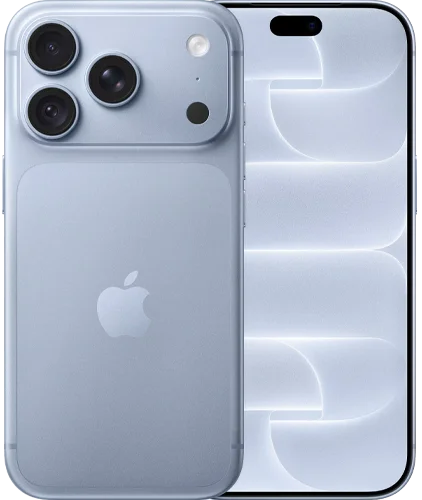
A practical look at the Find X10 E’s cameras, battery and pricing, with the questions to settle before choosing it over the standard Find X10.
The OPPO Find X10 E is easiest to understand with the price tag beside it. Its camera system covers three useful focal lengths, its battery is unusually large for this size of phone, and wireless charging survives the move down the range. The harder question is whether OPPO has left enough distance between it and the standard Find X10.
At their Chinese launch, the entry configurations were separated by CNY 500. That makes the E an interesting buying decision rather than an automatic bargain: the cheaper phone must save enough money to compensate for what you give up.
This is a specification-based buying analysis, not a hands-on review. Belliste has not independently measured its battery life, camera quality or sustained performance.
GSMArena lists the Find X10 E with a 6.59-inch 120Hz AMOLED display, a Dimensity 9500s processor and a 7,025mAh battery. Wired charging reaches a stated 80W, with 50W wireless charging also supported. The body measures 8mm thick and weighs 203g.
Those choices suggest a phone built around everyday convenience. Wireless charging is particularly welcome here: someone who already keeps a charging pad beside a desk or bed does not have to abandon that habit to buy the less expensive model.
The physical proportions also deserve perspective. A 6.59-inch handset can be easier to accommodate than the largest premium phones, but 203g is still noticeable in a pocket. Buyers replacing an older, lighter handset should try a device of similar weight before treating this as a compact option.
The screen specification is promising for scrolling, reading and watching video. However, refresh rate alone cannot tell you how comfortable automatic brightness feels outdoors or how consistently an app runs. Those questions need actual measurements and use.
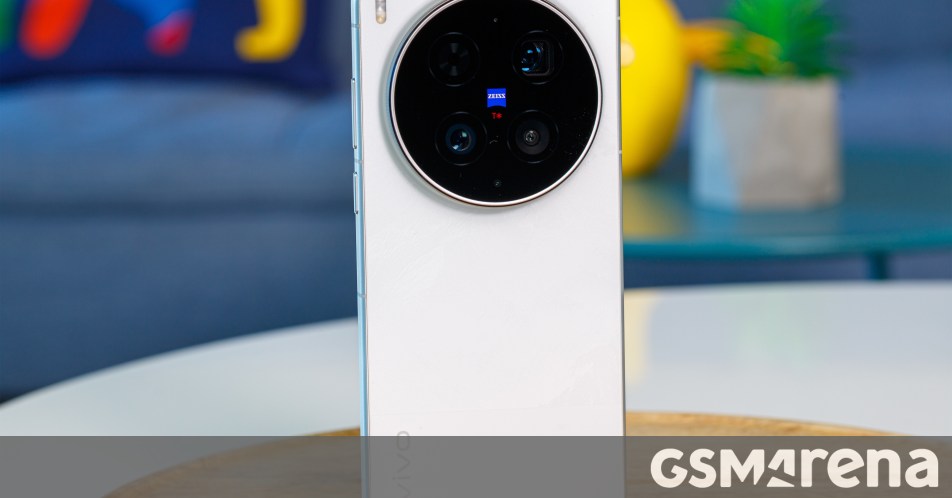
OPPO’s official product page describes three 50MP rear cameras: a main camera with a 23mm-equivalent lens, a 73mm-equivalent periscope telephoto and a 15mm-equivalent ultrawide. The main and telephoto cameras have optical image stabilisation.
That arrangement matters because it gives you different ways to compose a photograph. The main camera suits the moment in front of you; the ultrawide can include the room around it; the telephoto lets you frame a person or detail without moving as close.
The telephoto is arguably the most interesting inclusion. On a trip, a useful longer lens can change the photographs you bring home more than an increase in main-camera resolution. It can isolate a detail on a building, simplify a busy background or let you photograph someone from a more comfortable distance.
Still, lens coverage is not an image-quality verdict. Stabilisation can help with hand movement, but it cannot make a moving child stay still. Hasselblad branding does not establish how reliably skin tones remain consistent between cameras. Before buying for photography, look for samples containing the subjects you actually shoot, especially people indoors and moving subjects after dark.
Nor should the three matching megapixel counts imply three matching cameras. Different lenses and sensors face different compromises. The important test is whether switching between them preserves enough colour consistency, detail and exposure to make the whole system useful.
The capacity is one of the Find X10 E’s strongest attractions. More reserve can make a phone less demanding to own: fewer decisions about reducing brightness, fewer short charging stops, and more confidence when an ordinary day turns into a long one.
But capacity cannot tell us the exact number of hours between charges. Mobile signal, gaming, camera use and display settings all affect consumption. Without a measured test, a claim of guaranteed two-day endurance would go beyond the evidence.
Charging also needs to be considered as a complete setup. Check which adapter is included with the version on sale and what equipment is required for the advertised wireless rate. The number on the specification sheet is not necessarily what an existing charger will deliver.
For someone frequently away from a socket, endurance testing should come before a processor benchmark. A phone that finishes your longest day comfortably may offer a more useful upgrade than one that wins a brief performance test.
GSMArena’s launch report lists the Find X10 E at CNY 4,999 for 12GB/256GB and CNY 5,499 for 16GB/512GB. The standard Find X10 started at CNY 5,499 for 12GB/256GB. These are Chinese launch prices, not verified current prices in another market.
That creates two different decisions. At matching entry storage, the standard model costs CNY 500 more. At the same listed launch price, the E offers more memory and storage.
For someone keeping years of photographs and downloaded media, the higher-capacity E may be worth considering. For someone comfortable with the smaller storage option, paying for the standard phone’s hardware changes could be more appealing. The right comparison follows what you need to keep on the device, not simply which model sits higher in the catalogue.
Before buying, write down the actual offer for each phone, including storage, warranty and any required charging accessories. Then identify the feature that would make you spend the difference. If the answer is vague, the more expensive model has not yet justified itself.
An import can complicate this calculation. Ask the seller to confirm the exact software version, supported network bands, local repair arrangements and the services you depend on. Do not assume a Chinese-market listing provides the same ownership experience as a locally supported handset.
The Find X10 E makes most sense for someone who wants a versatile camera arrangement, a substantial battery and wireless charging without automatically choosing the most expensive model. Its appeal is the combination rather than a single headline specification.
It is harder to recommend on specifications alone to a serious mobile gamer or a buyer whose main priority is camera quality. The former needs sustained performance and temperature testing; the latter needs representative photographs and video. Neither should pay on the strength of a chipset name or megapixel count.
The E also faces a straightforward pricing test. If a local promotion brings the standard Find X10 close enough, examine its advantages before committing. If the E is materially cheaper, or provides the storage you need within your budget, its compromises become easier to accept.
There is a credible phone here on paper. Whether it becomes the sensible purchase depends on the offer in front of you and the evidence that follows the specification sheet.
The Find X10 E is the lower-priced member of OPPO’s Find X10 family. This article evaluates its published specifications and buying considerations rather than reporting hands-on testing.
Yes. OPPO lists a 50MP periscope telephoto with optical image stabilisation and a 73mm-equivalent focal length. GSMArena specifies 3x optical zoom.
The listed battery capacity is 7,025mAh, with up to 80W wired and 50W wireless charging. Compatible equipment and suitable conditions are needed for the advertised maximum rates.
GSMArena reported Chinese launch prices of CNY 4,999 for 12GB/256GB and CNY 5,499 for 16GB/512GB. These figures do not establish current retail prices or availability in other countries.
That depends on matching local offers and your priorities. Compare the same storage capacity, warranty and required accessories, then decide whether the standard model’s advantages justify the difference.
No. This is a buying analysis based on published specifications and launch information. Battery endurance, camera quality and sustained gaming performance have not been independently measured by Belliste.