An editorial Pixel 10a review examining the Tensor G4, cameras, 5100mAh battery, charging, seven-year updates and whether the Pixel 9a is better value.
The Google Pixel 10a is a capable $499 phone with a familiar problem: Google has changed surprisingly little since the Pixel 9a. Its battery capacity, cameras, processor and memory are carried over. A brighter screen, tougher front glass and quicker charging make the new model easier to live with, but not necessarily worth replacing last year's phone.
That distinction drives this review. If you're coming from a Pixel 7a or an older budget Android device, the 10a offers a convincing mix of camera quality, battery life and software support. If you already own a Pixel 9a, the case for upgrading is weak.
This is a Belliste editorial assessment based on published specifications and reported reviews, not an independent device test. The accompanying YouTube video is included for additional viewing; its contents were not independently transcribed or verified against every claim below. Launch prices and reviewer observations should not be confused with current local offers or Belliste measurements.
The changes are concentrated in a few areas. Google lists a brighter display with up to 3,000 nits peak brightness, Gorilla Glass 7i, 30W wired charging and 10W Qi wireless charging. The Pixel 9a offered lower charging rates. The Pixel 10a also adds Satellite SOS in supported regions, along with Bluetooth 6.0 and software features such as Auto Best Take and Camera Coach.
The Tensor G4, 8GB RAM, 5,100mAh battery, 48MP main camera and 13MP ultrawide remain familiar. Google has improved the details around the phone rather than the hardware that determines most of its speed and photography.
| Feature | Google Pixel 10a |
|---|---|
| Display | 6.3-inch pOLED, 1080 × 2424, adaptive 60–120Hz |
| Peak brightness | Up to 3,000 nits, manufacturer rating |
| Processor | Google Tensor G4 |
| RAM and storage | 8GB RAM; 128GB or 256GB storage |
| Rear cameras | 48MP main with OIS; 13MP ultrawide |
| Selfie camera | 13MP |
| Battery | 5,100mAh |
| Charging | Up to 30W wired; 10W Qi wireless |
| Protection | Gorilla Glass 7i; IP68 |
| Weight | Approximately 183g |
| Software at launch | Android 16 |
| Update commitment | Seven years of OS, security and Pixel Drop updates |
| US launch price | $499 |
These figures describe the Pixel 10a, not every regional bundle or current retailer listing. There is no microSD slot, so storage must be chosen when buying.
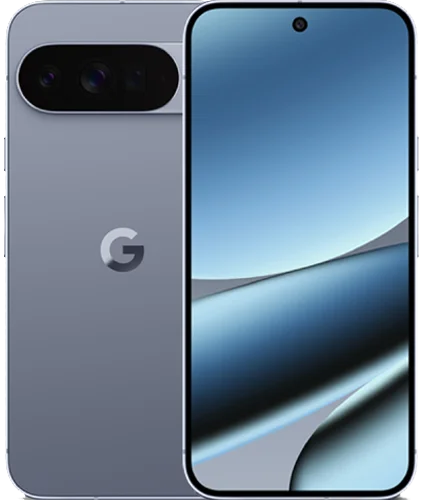
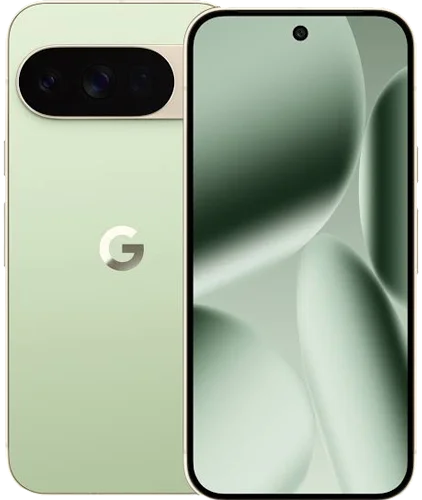
The Pixel 10a keeps the compact feel of Google's A-series, with a 6.3-inch screen and a weight of about 183g. Its recycled-aluminum frame and plastic rear panel do not read like a premium-material checklist, but reviewers have praised the finish and comfortable handling.
The camera housing sits almost flush with the back. That matters when the phone is lying on a desk: it is less likely to rock as you tap the screen. The broad bezels are more noticeable from the front, especially next to phones that push their displays closer to the edges.
Google's IP68 rating offers protection against dust and water under specified laboratory conditions. It does not make the phone immune to water damage, and resistance can decline with wear.
The 6.3-inch pOLED retains a 1080 × 2424 resolution and refreshes between 60Hz and 120Hz. The major advertised change is brightness: Google quotes a peak of 3,000 nits, roughly 11% above the previous generation. Peak figures describe particular test conditions and should not be treated as sustained full-screen brightness.
Gorilla Glass 7i replaces the older cover glass. The practical gains are easier outdoor viewing and an updated protection specification, not a dramatic change to color, sharpness or screen size. If the Pixel 9a's display already meets your needs, this alone is unlikely to justify buying another phone.
The Pixel 10a uses Google's Tensor G4, the same generation of chip found in the Pixel 9a, rather than the Tensor G5 in higher-end Pixel 10 models. That choice keeps the phone within a proven performance tier, but leaves little generational headroom for owners of last year's A-series.
Published reviews describe responsive everyday use for messaging, navigation, photography and routine apps, with occasional app-specific hiccups. Those accounts do not establish a universal performance deficit against every Pixel 10 model. Nor is there evidence that the phone will become unusable at a particular point during its support period.
The distinction is between software longevity and hardware speed. Google's seven-year update promise means security fixes and platform support can continue for years. It does not promise that demanding games or future features will run as smoothly in year seven as they do today.
For buyers who prioritize heavy gaming, sustained workloads or the latest on-device processing features, the Tensor G4 is the clearest reason to compare alternatives before spending $499.
Google retains a 48MP main camera with optical image stabilization and a 13MP ultrawide, plus a 13MP front camera. The hardware is close to the Pixel 9a's setup. That limits the upgrade story, but it does not make the cameras poor.
Reviews continue to praise the main camera's detail, color and Google's computational processing in typical daylight scenes. Low-light results are also competitive for the class, although performance varies with subject movement and lighting. These are reviewer assessments, not side-by-side samples captured by Belliste.
The differences from the regular Pixel 10 become clearer for video and specialized shooting. Features such as 10-bit HDR video, Cinematic Blur and some higher-end computational camera modes are not available in the same way on the 10a. Buyers who shoot video regularly should compare actual clips and feature availability rather than assume every Pixel camera offers the same tools.
Auto Best Take and Camera Coach broaden the 10a's software options, but software additions do not change the focal lengths or light-gathering limits of its existing sensors.
Battery capacity remains 5,100mAh, matching the Pixel 9a. That is already generous for a relatively compact phone. Google's stated endurance is more than 30 hours, with a much longer figure under Extreme Battery Saver; those are manufacturer estimates dependent on usage.
GSMArena's published testing reports an active-use score of 15 hours and 13 minutes for the Pixel 10a. Its testing also found the phone ahead of the Pixel 9a across its battery subtests. This is a third-party laboratory result, not a measurement performed by Belliste, and it should be read within that outlet's test methodology.
Wired charging increases to up to 30W. In GSMArena's reported test, the phone reached roughly 52% in 30 minutes and completed charging in approximately 89 minutes under its test conditions. Actual results depend on charger compatibility, temperature and battery state.
Wireless charging reaches 10W using Qi. There is no native Qi2 magnetic charging or Pixelsnap support, so buyers invested in magnetic mounts and accessories should account for that limitation.
The Pixel 10a ships with Android 16, and Google promises seven years of operating system, security and Pixel Drop updates from initial availability. That is a meaningful advantage for someone who keeps a phone until the battery or hardware, rather than software support, becomes the reason to replace it.
Satellite SOS is another useful addition, but availability depends on country, service conditions and eligibility. It is an emergency feature, not a replacement for normal cellular coverage. Google's update policy is the stronger everyday selling point; it can reduce the risk of an otherwise functional phone losing security support too early.
The two phones share their Tensor G4 generation, 8GB RAM, camera arrangement and battery capacity. The 10a's improvements are real but incremental: brighter display, Gorilla Glass 7i, quicker wired and wireless charging, Satellite SOS and newer connectivity features.
That makes the actual price gap more important than the launch price. A heavily discounted Pixel 9a can offer much of the same experience for less. If both cost nearly the same, the 10a's charging, glass and support timeline make it the more sensible new purchase.
For an existing Pixel 9a owner, none of those changes creates a strong replacement case. Keep the 9a unless a specific new feature solves a problem you regularly encounter.
Buy it if: you are replacing a Pixel 7a or an older midrange Android phone; you want dependable still photography, a manageable screen size and long software support; or you value battery life more than benchmark leadership.
Skip it if: you already have a Pixel 9a; demanding gaming is a priority; you depend on native Qi2 magnetic accessories; or you need the more advanced video features available on higher-end Pixel models.
Compare prices first if: a Pixel 9a is still available new at a substantial discount. The 10a's modest improvements have to earn their price premium.
At its $499 US launch price, the Pixel 10a offers a balanced camera system, strong reported battery results, a brighter OLED screen and a long update commitment. It is easy to recommend to someone replacing an older phone who wants Google's software without flagship pricing.
The weakness is not one catastrophic flaw. It is the accumulation of familiar hardware: Tensor G4, unchanged cameras and the same battery capacity. The phone also lacks native Qi2 magnetic charging and some advanced video options. None of that makes it a bad purchase, but it narrows the reasons to choose it over a discounted Pixel 9a.
Bottom line: buy the Pixel 10a for a reliable new midrange phone with long support—not because it offers a meaningful upgrade over the Pixel 9a.
The Pixel 10a launched at $499 in the United States. Current prices and regional availability vary, so check local listings before buying.
The Pixel 10a adds a brighter display, Gorilla Glass 7i, faster charging and Satellite SOS in supported markets. A substantially discounted Pixel 9a can be the better value because the core chip, cameras and battery capacity are similar.
The Google Pixel 10a uses the Tensor G4 processor with 8GB of RAM, rather than the newer Tensor G5 found in the flagship Pixel 10 series.
Google promises seven years of operating system, security and Pixel Drop updates from the device's initial availability. This is a support commitment, not a guarantee of unchanged performance over seven years.
Yes. The Pixel 10a supports up to 10W Qi wireless charging, but not Qi2 magnetic charging or Pixelsnap accessories natively.