Xiaomi 18 Pro: Rear Display, AI Features and Leica Camera Update
Published:
The Xiaomi 18 Pro has arrived in China with a versatile rear display, AI-generated app cards and a Leica camera system.

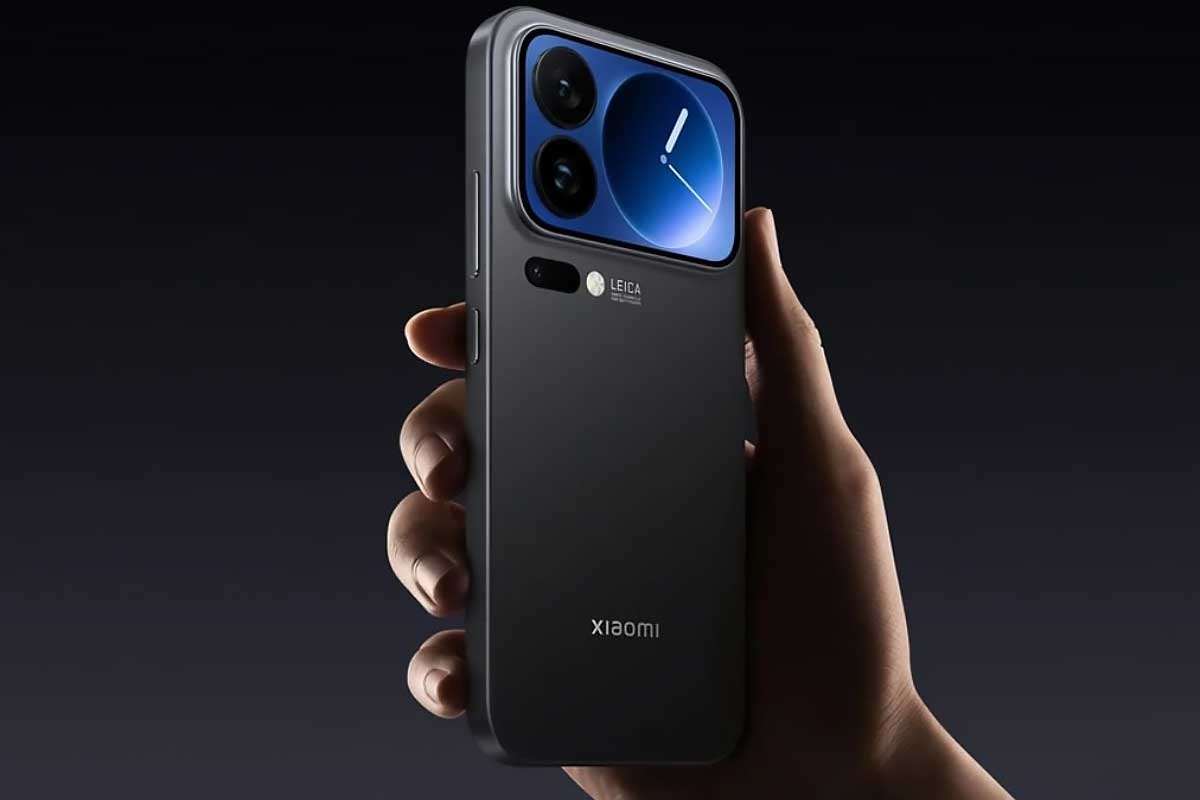
Xiaomi’s 18 Pro is another major smartphone story from the September 2026 launch cycle. Xiaomi introduced the 18 series in China in late September, with the 18 Pro focusing on a rear display that is designed to do more than show notifications. Xiaomi says the back screen can support AI-generated application cards and practical tools, turning the secondary display into a customizable part of the phone experience.
The rear display becomes a practical feature
According to Xiaomi Community, the 18 Pro continues the company’s rear-screen concept but expands what users can do with it. Examples include timers, water-intake tracking, focus tools and vocabulary learning. More importantly, the rear screen can generate application cards using AI, allowing users to create small interfaces for specific tasks instead of relying only on a fixed set of widgets.
Leica cameras and flagship hardware
Xiaomi continues its Leica partnership on the 18 Pro and uses a triple-camera setup that includes a main camera, ultra-wide camera and periscope telephoto camera. Xiaomi Community says the periscope telephoto has been upgraded to 3.2x optical zoom. The phone also moves to a new Snapdragon flagship platform and focuses on improvements in performance, imaging, battery life and AI capabilities.
VIDEO REVIEW
Xiaomi 18 Pro first look and design discussion
Why the Xiaomi 18 Pro matters in the 2026 flagship cycle
The 18 Pro arrives at a time when smartphone makers are experimenting with more than the conventional front display. Xiaomi’s approach is different from a foldable: instead of expanding the main screen, it adds functionality to the rear surface. That creates new possibilities for photography previews, widgets and lightweight interactions while keeping the main phone form factor familiar.