Global Smartphone Shipments Fall 20% as Memory Shortages Squeeze the Market
Published:
Global shipments dropped 20% in Q3 2026 as AI-driven memory demand squeezed smartphone supply.

Global smartphone shipments fell 20% year over year in Q3 2026, their weakest third-quarter performance since 2012, according to preliminary Counterpoint Research estimates published October 12. The figures measure deliveries to retail channels, not sales to end consumers.
Why the memory shortage matters
AI infrastructure demand is competing for memory-chip capacity. Rising DRAM and NAND costs have raised phone production expenses, especially for budget devices. Counterpoint estimates global smartphone retail prices rose 20% so far in 2026; that does not mean every phone rose by the same amount.
Samsung and Apple weather the decline
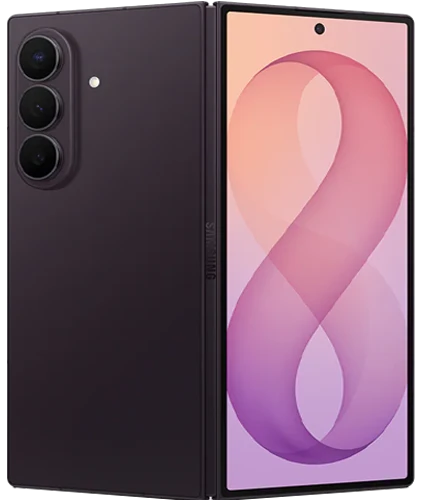
Samsung retained first place with 23% market share, although its shipments declined 3% year over year. Early demand for the Galaxy Z Fold8 and more stable component supplies for the Galaxy A range helped. Apple took 22%, its highest third-quarter share, even though shipments declined. Counterpoint partly links Apple's volume decline to the absence of a standard iPhone 18 launch.
Xiaomi and other brands face steeper pressure
Xiaomi held 12% market share in Counterpoint's updated figures, correcting an initial 10% estimate. Its shipments declined by more than 30% as it reduced exposure to some budget devices and overseas markets. OPPO and vivo each saw shipments fall by more than 20%, holding shares of 9% and 8% respectively.
What consumers should expect
More expensive memory makes affordable phones harder to produce profitably. Manufacturers may narrow product lines and emphasize higher-margin models. Counterpoint says consumers are keeping devices longer and increasingly considering refurbished phones. Actual local prices still depend on inventory, currency and promotions.
When comparing phones, check the exact RAM and storage variant, software support and local price rather than assuming the lowest advertised price represents good value.
Outlook for late 2026
Counterpoint expects conditions to remain difficult until memory costs and supply improve. Its figures are preliminary and may be revised.
Belliste assessment: A 20% decline in shipments is serious, but it should not be confused with a 20% fall in purchases by consumers. The pressure on entry-level models may matter more to buyers than the aggregate figure.
FAQ
Did smartphone sales fall 20%? The estimate covers shipments to retail channels, not final consumer purchases.
Who led Q3 2026 shipments? Samsung led at 23%, followed by Apple at 22%.
Was Xiaomi's share 10% or 12%? The updated Counterpoint report lists 12%.
Sources and image credit
Counterpoint Research, October 12, 2026
Illustrative hero image: Fotografia Lui Vlad / Unsplash. Alt text: Phone circuit boards on a blue mat illustrating smartphone memory supply pressures.