The compact OPPO Reno16 offers useful cameras and a sharp screen, but the source review raises a harder question: will its camera be ready when you need it?
The OPPO Reno16’s most revealing moment comes when its camera stops cooperating during the review. The pictures are not the problem. The reviewer likes the portraits, the useful zoom and the generally convincing colors. What frustrates him is getting the camera ready before the moment has passed. For a phone sold on photography, that is a more consequential criticism than a disappointing benchmark score.
After a week using it as his main phone, he finds plenty to enjoy: a smaller body, an attractive screen and a camera system with more flexibility than a basic main-and-ultrawide arrangement. Yet he finishes the week preferring the Pro because the standard model feels less dependable under pressure. This OPPO Reno16 review examines that tension, drawing on the supplied video and checked product specifications. Belliste has not tested the handset; hands-on observations below belong to the video’s reviewer.
This article covers the international Reno16 5G. The China-market phone carrying the Reno16 name has different hardware, so an imported listing needs more scrutiny than simply matching the name.
The reviewer’s strongest complaint concerns the gap between wanting a picture and actually taking it. He encounters pauses while opening the camera, changing modes and triggering a capture. He also reports a camera failure during filming. These are observations from his review unit, rather than proof that every Reno16 behaves identically or that the same behavior persists on current software.
The buying implication is still substantial. A building will wait while an application catches up; a child’s expression or an animal running past will not. We would give camera readiness considerable weight alongside image quality when judging this phone. Someone who mostly photographs landscapes may accept a pause that would irritate someone taking spontaneous family pictures every day.
The video also makes a distinction that a simple performance verdict would miss. In good light, the reviewer finds the camera capable of handling moving subjects. That ability concerns what happens once the camera is ready. It does not cancel out the separate risk of missing a moment before the shutter becomes available. Both observations can be true.
Before buying, try opening the camera from a locked screen, switching to portrait mode and taking several pictures in succession. A brief shop demonstration cannot reproduce a week of use, but it tests the part of the experience that matters here more directly than scrolling through sample photographs.
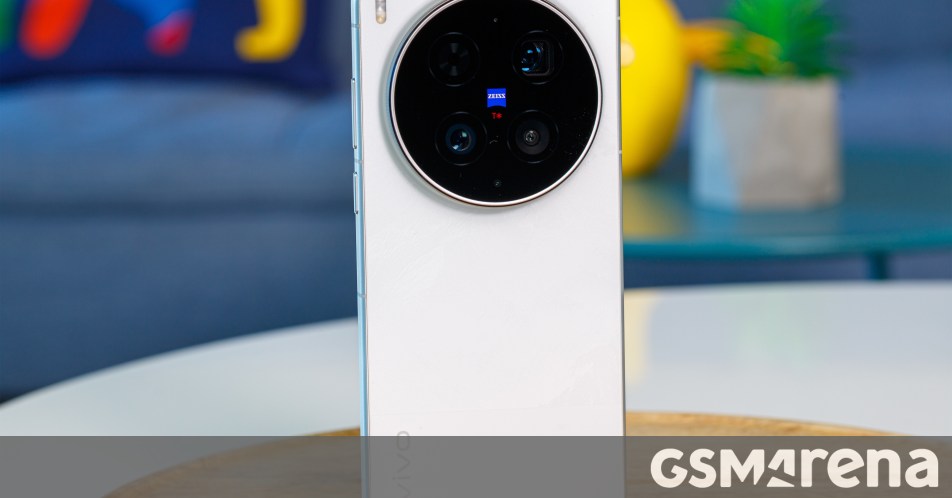
The international Reno16 combines a 50MP main camera, a 50MP 3.5x telephoto and a 50MP ultrawide, with a 50MP autofocus selfie camera. Optical stabilization is provided on the main and telephoto cameras. The dedicated telephoto is the significant inclusion: it offers another way to frame a photograph without walking into the scene or relying entirely on a crop. These camera details are confirmed by OPPO’s official specification sheet.
In the video, the reviewer praises portraits and generally natural-looking colors. He finds the phone less capable than the Pro in softer light, where more grain and flare from light sources become visible. That is a useful qualification for buyers who take most of their photographs indoors. A camera that works well on an afternoon walk can produce a less convincing result in a dim restaurant.
He also likes the ultrawide, particularly its handling of difficult contrast. His positive assessment makes the camera arrangement more interesting than four matching megapixel numbers suggest. A useful ultrawide lets you include the room or the landscape around a subject; a telephoto lets you exclude distractions. Those are practical compositional choices, and they remain useful even if you never enable a high-resolution mode.
Longer digital zoom needs a more skeptical reading. The reviewer finds sharpening effective on buildings and ordinary objects, but a crisp-looking result does not establish that every fine detail was faithfully recorded. We would buy this phone for the framing available around its optical zoom range, rather than for the most enlarged image it can produce.
OPPO’s specification sheet confirms 4K recording at 30 or 60 frames per second on both the rear and front cameras, with HDR recording options. That gives the Reno16 a useful set of recording choices, including for people who speak directly to the selfie camera. Availability of a format should still be distinguished from the consistency of the recording experience.
The reviewer likes the footage and microphone pickup in his samples. He also finds the horizon-correction feature helpful when moving with the phone. For travel clips and ordinary handheld recording, those observations are encouraging. They are not a substitute for comparing difficult scenes such as a face against a bright window or a walk through uneven nighttime lighting.
More concerning is his report that extended camera use makes the handset warm and worsens its responsiveness. This matters even to someone who never plays a demanding game. Recording several clips, reviewing them and taking photographs between recordings can become a substantial workload. If that resembles your usual day out, the video gives you a reason to examine sustained camera behavior before committing.
There is no temperature log or repeatable recording-duration test in the supplied transcript. We therefore cannot establish a thermal threshold or promise that a software update resolves the issue. The defensible conclusion is narrower: this reviewer’s camera experience became less pleasant with heavier use.
The 6.32-inch AMOLED display makes the Reno16 a relatively compact option, with a resolution of 2640 × 1216 and a refresh rate up to 120Hz. Its Snapdragon 7 Gen 4 processor and 8GB or 12GB RAM configurations place it below the performance ambitions of many flagship phones. Storage options and availability vary by market, and there is no memory-card slot.
The reviewer finds the regular model almost indistinguishable from the Pro in the hand. He likes the smaller size, narrow borders and relatively discreet camera bump. That resemblance gives the standard phone a genuine advantage: choosing the cheaper Reno does not mean abandoning the shape and handling that attracted you to the range.
The decorative planet effect divides opinion more easily. He admires the execution without finding much practical purpose in it, and notes that the back is reasonably easy to wipe clean. Your own reaction matters more than treating an elaborate finish as an objective upgrade. Someone who uses an opaque case will experience very little of the feature after the first day.
The screen receives a much less qualified welcome in his review. He finds it sharp, pleasant for watching content and bright enough outdoors. He also sees little everyday importance in the Pro’s higher maximum refresh rate. For reading, messaging and ordinary video, we would likewise place more weight on visibility, size and comfort than on that numerical difference.
Stereo sound is serviceable in his experience, with limited bass and an uneven balance between the two speakers. That is unlikely to undermine casual video watching, but it weakens the case for treating the phone’s speakers as a major entertainment feature.
The reviewer describes everyday operation as mostly fine, interrupted by occasional stumbles. In demanding Wuthering Waves gameplay, he finds the regular Reno less comfortable than the Pro, even after accepting more modest graphics settings. A dedicated gaming mode can provide useful controls, but it does not remove the underlying processing limits.
For an occasional player, reducing settings may be an entirely reasonable bargain. For someone buying a phone specifically for demanding games, the review offers little reason to make this particular compromise. The more difficult question concerns buyers who assume they can ignore performance because they mainly take pictures. The camera delays show why processor headroom and software optimization can affect them too.
It would be too simple to blame every pause on the Snapdragon chip or on the review unit’s RAM. The transcript does not isolate those causes, and software behavior can differ across versions. What it does establish is the reviewer’s preference: the Pro was smoother in his use, and the difference affected his enjoyment outside gaming.
Our judgment follows that practical distinction. If your phone use is mostly messages, maps and browsing, the Reno16’s priorities may suit you. If you move quickly between camera modes, record frequently or expect consistently responsive behavior while multitasking, its attractive body should not distract you from testing those actions.
GSMArena lists a 6,000mAh battery for Europe and 6,700mAh for international markets, with 80W wired charging and no wireless charging. The video concerns a European unit. Its runtime observations should therefore not be presented as measurements of the larger-battery version.
The reviewer typically uses his phone heavily, reporting roughly five to six hours of screen time per day. Under that workload he sometimes reaches power-saving territory by the evening, particularly after extensive camera use. He also reports just under five hours of continuous gaming and a roughly hour-long recharge with suitable charging equipment. These are his usage results, not a standardized Belliste battery test.
That account supports a cautious expectation for demanding users: a full day may be achievable without leaving a comfortable reserve every evening. Lighter use could produce a different result, while signal strength, brightness and recording habits can all change the outcome. A large capacity number alone does not answer how much power remains after your particular day.
Check the battery specification on the seller’s exact model and whether the appropriate charger is included. An imported version also brings warranty and network considerations. A larger advertised battery is useful, but it should not be the only reason to choose an unfamiliar regional model.
The phone launches with Android 16 and ColorOS 16. In the video, the reviewer enjoys the customization and general organization, while criticizing removable preinstalled applications. He describes a commitment to five operating-system upgrades and six years of security updates; buyers should confirm the applicable support terms in their market.
The side-mounted Snap Key opens an information-saving AI feature by default. The reviewer finds its alternative assignments limited, though he rarely presses it accidentally. That makes it a convenience to judge against your own habits, rather than a central reason to buy. Quickly opening the camera or enabling do-not-disturb may be more useful than the default AI action for some owners.
Translation, transcription and editing tools can help with specific tasks, but the review’s more persuasive software observations concern the ordinary interface. A button used occasionally contributes less to ownership than an application that opens promptly every day. We would decide whether we like ColorOS first, then regard its AI extras as additions to that decision.
The OPPO Reno16 has a clear audience: someone who wants a manageable phone with a versatile set of cameras and a good screen, and who values those qualities more than demanding-game performance. The reviewer’s positive comments about handling and image quality explain why it remains appealing despite his frustrations.
His recommendation to choose the Pro is also understandable. The extra performance improved the part of ownership that annoyed him most, rather than merely adding a more impressive specification. Whether that premium is worthwhile depends on the actual local price difference, matching storage and warranty. The supplied video does not establish today’s prices, so an old launch-price gap should not decide an October purchase.
We would approach the standard model with a specific test in mind: does its camera open, switch modes and keep taking pictures quickly enough for the way you use a phone? If the answer is yes on current software, the compact design and useful lenses make a coherent package. If those pauses bother you immediately, choose another handset. A photograph worth keeping begins with being ready to take it.
Hands-on observations are attributed to the reviewer in the video above, using the transcript supplied for this article. Hardware and regional specifications were checked against GSMArena’s international Reno16 specification page. Camera recording options were also checked against OPPO’s official specifications. No Belliste laboratory or hands-on testing is claimed.
Yes. It covers the international Reno16 5G with Snapdragon 7 Gen 4. The China-market Reno16 has different hardware.
The reviewer reports camera startup and mode-switching delays, a camera failure during filming, and worse responsiveness after heavy camera use. Those findings describe his review unit and do not establish identical behavior on every handset or software version.
Yes. Its dedicated 50MP telephoto camera provides 3.5x optical zoom. Greater digital enlargement should not be assumed to preserve the same detail.
The European version is listed with 6000mAh, while international-market versions are listed with 6700mAh. Check the exact regional model before buying.
No. It supports up to 80W wired charging with compatible equipment, but does not offer wireless charging.
The reviewer encounters inconsistent frame rates in demanding Wuthering Waves gameplay. It is easier to recommend for lighter gaming than for buyers prioritizing sustained high performance.