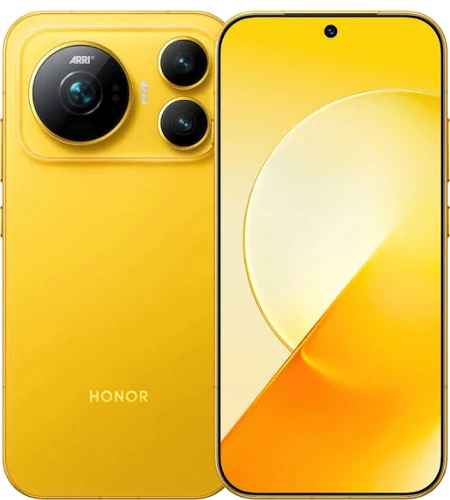
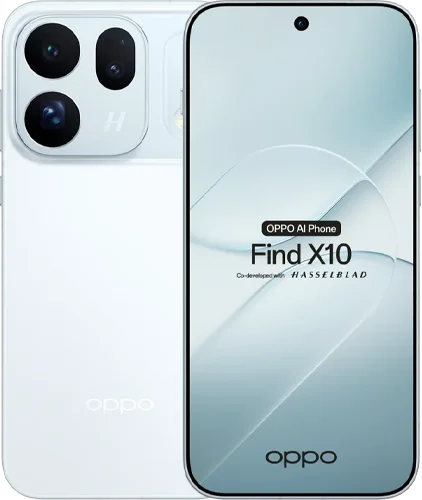
The Find X9 Pro trades two telephoto cameras for one stronger module. A practical look at portraits, cropped zoom, the optional lens kit and everyday battery confidence.
The OPPO Find X9 Pro removes a telephoto camera and makes the remaining one the center of its appeal. Where the Find X8 Pro offered separate 3x and 6x cameras, the X9 Pro uses a single 200MP 3x module. Counting lenses makes that look like a retreat. Looking at the sensor, optics and the photographs the reviewer values produces a more interesting question: is one stronger camera more useful than two narrower strengths?
That is the buying argument worth exploring in the supplied video. The presenter likes the longer-range images, improved selfie camera and substantial battery reserve, but also demonstrates an optional lens attachment with its own inconveniences. The result is a phone that needs to be judged as both an everyday camera and a possible accessory system.
The source presenter discloses a partnership with OPPO and describes roughly two weeks of use. Belliste has not tested the device. This article combines his attributed impressions with checked product information, distinguishes optical reach from cropping and treats his launch-period comparisons as historical rather than as a current ranking of every rival.
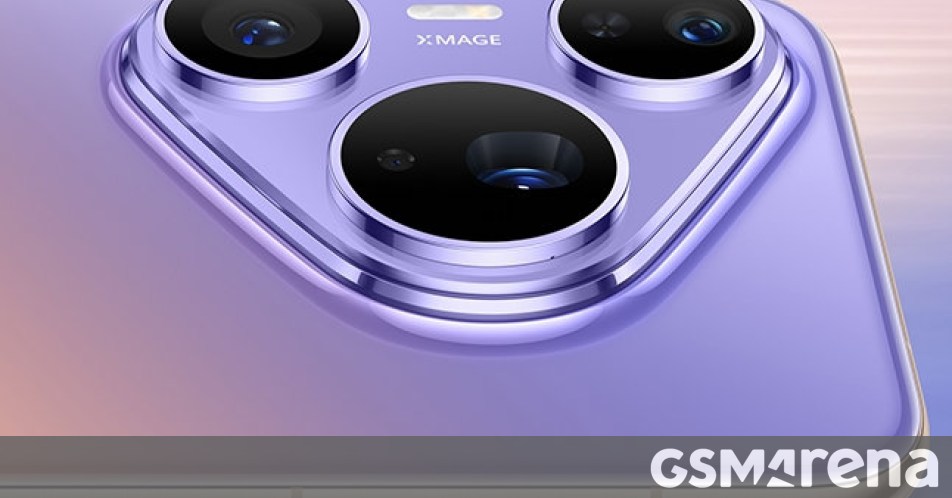
The X9 Pro’s principal rear cameras are a 50MP main, a 50MP ultrawide and a 200MP 3x telephoto. A separate spectral sensor assists color measurement; it is not another ordinary camera view. The useful change is the telephoto’s greater resolution and revised hardware, rather than a fourth interchangeable perspective.
The presenter is enthusiastic about the 3x view for portraits and about how much detail remains when enlarging it further. That is plausible as a practical advantage: a high-resolution capture gives processing more information to work with than a lower-resolution starting point. It does not create an additional physical focal length.
A 6x selection on this phone is therefore not equivalent to switching to the X8 Pro’s dedicated 6x camera. It involves cropping and processing from the available camera system. That result may look better in a particular scene, but the mechanism and the outcome need to be described separately.
The distinction becomes more important around claims such as “lossless” zoom. We would read those as claims about intended output quality under particular conditions, not a promise that every scene retains all original detail at every enlargement. Fine patterns, moving people and dim light can produce different results from an architectural sample in good daylight.
For a buyer, the appropriate comparison is a set of photographs at the distances you use. A person across a room and a detail across a street test more relevant behavior than the highest number on the zoom slider. If the new camera improves those photographs, losing a lens need not be a practical loss.
The Hasselblad teleconverter in the video is optional. The presenter fits the phone into its case, mounts the lens and manually selects the dedicated mode. He enjoys some longer-range results, but also says moving subjects can be difficult, particularly in lower light, and that extreme enlargement still shows heavy processing.
That is useful evidence for someone planning photographs in advance. A landscape detail or a stationary subject may give you time to fit the attachment and compose carefully. A spontaneous moment may disappear while you are setting up. The improvement in a sample should be weighed against the routine required to get it.
The presenter would also prefer the phone to recognize the accessory automatically. In his demonstrated setup, mounting it does not select the correct mode for him. This is a small friction, but exactly the sort of detail that determines whether an accessory stays in your bag or becomes something you use often.
Do not treat his suggestion about taking it into venues as guaranteed permission. Check the organizer’s actual policy before planning a concert or event around it. The purchase case should be based on situations where the equipment is allowed and practical to carry.
We would assess the X9 Pro without the attachment first. If the standard camera already fits your photographs, the kit is an optional extension. If the phone only becomes appealing with the lens, include the full price, case and carrying requirements before comparing it with other camera phones.
The presenter particularly values a natural-looking starting point. He likes the rendering of faces and the consistency of the rear views, and credits the spectral sensor with helping white-balance decisions. OPPO describes that sensor as part of its color-measurement approach. Its presence does not prove that every difficult mixed-light scene will be rendered accurately.
That difference between intention and result matters. A warm restaurant, daylight from a window and a brightly lit sign can all appear together in one photograph. Preserving the atmosphere and keeping a face believable involves choices, not simply applying one correct color temperature everywhere.
The video gives useful examples of the look the presenter enjoys, while remaining a partnered walkthrough rather than a controlled color comparison. We would inspect photographs of familiar subjects and look at them on another display as well. An image can be attractive without being the most neutral interpretation of the scene.
The main camera’s default output also needs qualification. The reviewer describes high-resolution automatic capture with a lower-resolution fallback in difficult light. OPPO’s wording is up to 50MP output in bright conditions, not a guarantee that every ordinary photograph is a full-resolution file. The mode adapts, and a different output size is not by itself evidence that something went wrong.
The presenter identifies the front camera as a previous OPPO weakness and welcomes the X9 Pro’s 50MP autofocus module. The addition of autofocus is more useful to understand than the megapixel increase alone. It provides flexibility when the distance between the phone and the subject changes.
That can matter for a group selfie, a short piece to camera or a shot taken with a different grip. It does not ensure every face in a group is equally sharp, and it does not settle how well the camera handles motion or difficult background light. Those still deserve samples resembling your own use.
The reviewer likes the result, but the supplied video is not a detailed selfie endurance test. For someone moving from an X8 Pro specifically because of its fixed-focus front camera, this is nevertheless a concrete improvement to investigate. It addresses an identifiable limitation rather than simply adding another creative mode.
The video’s recording discussion is strongest when the presenter explains why he wants log: more control over the final look and a workflow compatible with his own color adjustments. OPPO advertises 4K/120fps log recording, while the presenter shows how he enables it in the professional recording interface.
That is different from saying everyone should record in log. The footage needs appropriate handling to look right, and an ordinary recording may suit someone who wants to share immediately. A flat image is not automatically a more useful file if your editor or delivery process makes it inconvenient.
The presenter also likes the consistency while changing lenses during regular video. That is a practical strength for a travel clip or a subject moving closer. It does not establish that every lens transition is invisible in every light, or that the maximum frame rate and every special mode work together.
Before using the phone for something important, test your intended lens, recording format and editing application as one complete chain. Confirm playback, color interpretation and the exported result. This reveals more about whether the camera suits your work than choosing the most advanced setting in isolation.
The X9 Pro has a 7,500mAh battery, with 80W wired and 50W wireless charging. In the presenter’s YouTube playback comparison, the Galaxy S25 Ultra stops after a little over 15 hours while the OPPO still reports 25% charge remaining. That is a strong result from his setup, not a standardized Belliste endurance measurement.
The transcript does not establish all the conditions needed to reproduce the test, including matched brightness and network behavior. It therefore supports confidence in the reviewer’s experience without proving a fixed advantage for every owner. A day dominated by navigation, recording or games creates a different workload from video playback.
His description of the phone as suitable for two days should likewise remain an account of use, not a guarantee that you can leave your charger at home for any weekend. Signal strength, temperature and how often the camera is active all affect the reserve that matters at the end of a day.
Avoid repeating the transcript’s broad comparison with iPhone battery capacities: capacity can differ by version, and a capacity ratio is not a runtime ratio anyway. The more meaningful finding is the demonstrated playback reserve, kept within the conditions of that particular comparison.
The 6.78-inch phone remains a substantial device at approximately 224g. The presenter likes its narrower borders and revised camera arrangement, while noting that the titanium-themed color name does not describe the frame material. The structure is aluminum.
The camera control and configurable Snap Key serve different jobs. One provides capture and zoom interaction; the other opens a chosen shortcut or information-saving feature. Try both with your usual grip. A button that regularly changes zoom unintentionally can be more distracting than simply using the screen.
The ultrasonic fingerprint reader is another everyday improvement the presenter welcomes. Manufacturer percentages about speed or reliability should not be mistaken for an independent measurement in the video. The useful question is whether it works consistently with your normal thumb position and conditions.
The display receives considerable praise, including for its dim nighttime setting. Eye-comfort controls and high-frequency dimming can be worth trying, but personal sensitivity varies. They do not guarantee that everyone will avoid eye strain or headaches.
The Dimensity 9500 and ColorOS 16 combination feels exceptionally responsive to the presenter. His comparison with the X8 Pro also records benchmark gains, but those figures should not be treated as identical percentage improvements in every game or application.
This is also a launch-period account. The article does not assume that the installed software on every X9 Pro remains unchanged, or that all the AI features shown are available in the same way across regions. Check the current build and the specific tools you expect to use.
The presenter describes useful Mac and iPhone connectivity, including file movement and other supported interactions. That does not mean complete replacement of native Apple ecosystem integration. Confirm requirements on both devices and test the particular task you rely on before changing your everyday setup.
If you are buying an older or imported example, those details belong alongside condition, warranty and remaining support. A smooth demonstration on the reviewer’s phone does not answer what services are enabled on a different regional version.
The X9 Pro’s strongest purchase argument is the camera system you carry without extra equipment, supported by the reviewer’s positive battery experience and the improved front camera. The telephoto change is worth judging through photographs rather than lens count, especially if portraits and moderate zoom dominate your use.
The accessory is interesting when planned long-distance shooting is part of your routine. It should not be allowed to hide whether you like the main camera, the ordinary zoom range or the phone’s size. Those are the qualities you live with when the attachment stays at home.
The supplied partnership is disclosed, the comparisons reflect the recording period and no current price is assumed here. Compare the exact local offer against newer alternatives and any accessory cost. The right buyer is someone who will use the stronger telephoto and appreciate the battery reserve, rather than someone persuaded mainly by an extreme zoom demonstration.
Hands-on impressions and playback results come from the supplied video and transcript, in which the presenter discloses a partnership with OPPO. Core hardware was checked against GSMArena’s specification page and OPPO’s regional specifications. Color-sensor, bright-light output and recording context were checked against OPPO’s product information. Belliste has not carried out hands-on testing.
No. It has one 200MP 3x telephoto. Longer views use cropping and processing unless an external teleconverter is fitted; they are not a second built-in optical lens.
No. OPPO describes up to 50MP output in bright light, and the source reviewer describes lower-resolution output in more difficult conditions.
Do not assume it is. The source video presents it as an optional accessory requiring its mounting case and a dedicated recording or capture workflow. Verify the actual bundle.
No. The reviewer’s video-playback result concerns his setup. Navigation, signal, recording, gaming and brightness can change everyday runtime substantially.
Yes. Its 50MP front camera includes autofocus, addressing a specific limitation of the older fixed-focus front camera discussed in the video.
The presenter explicitly discloses a partnership with OPPO. Belliste attributes his impressions accordingly and has not tested the device ourselves.