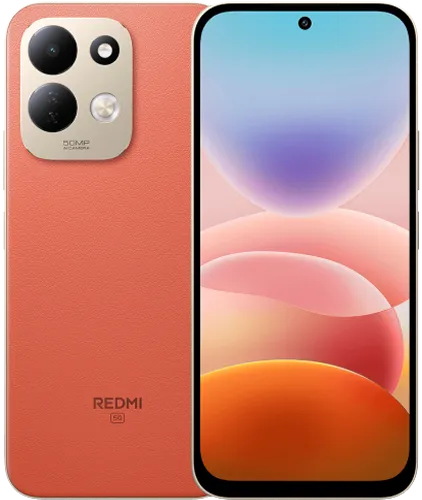
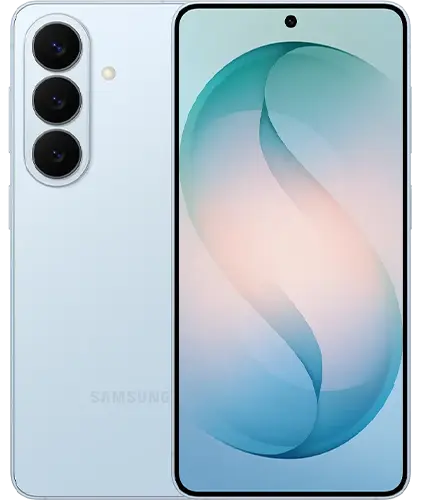
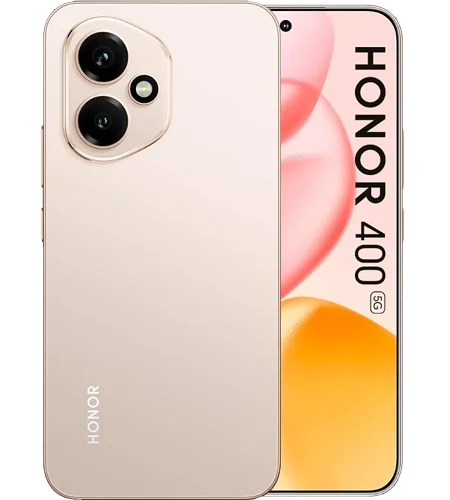
A camera-focused HONOR 400 versus 400 Pro comparison based on real outdoor, selfie, zoom and night-video footage, with a critical look at the price premium.
The HONOR 400 Pro is the better-equipped camera phone. After watching both phones shoot the same scenes, however, the buying decision becomes less obvious.
The reviewer begins his comparison in his hometown in Poland, recording video outdoors, testing stabilization, taking portraits and returning after dark to see how the two phones behave when the light disappears.
That setting matters. Rather than simply comparing specifications, he uses both phones in the same locations and moves between their cameras as conditions change.
The Pro has the advantages you would expect: a dedicated 3x telephoto camera, a more powerful processor and additional video recording options. Yet the reviewer finishes the comparison notably impressed by the standard HONOR 400.
How much extra camera capability do you actually get for the additional money?
Belliste editorial note: This analysis is based on the supplied comparison video's narration. Readers should watch the visual samples directly. Belliste has not independently tested either phone or measured camera performance.
At the end of the video, the reviewer quotes approximately $399 for the HONOR 400 and $699 for the HONOR 400 Pro. Those are prices cited in the recording, not verified current retail prices. Actual prices depend on region, configuration, promotions and purchase date.
At those figures, the Pro costs $300 more, roughly 75% above the standard model. That premium needs to buy more than a slightly nicer photograph. The question is whether the extra lens, processing power and recording features improve the kinds of photos and videos you personally take.
The standard HONOR 400 has a 200MP main camera, but no dedicated telephoto lens. The Pro adds a 3x telephoto option, which becomes particularly relevant when the reviewer photographs distant subjects.
At 10x zoom, he sees a clear advantage for the Pro. This is one of the strongest and least ambiguous judgments in the video. The extra optical reach gives the Pro more useful information to work with before digital processing takes over. The standard model must rely on cropping and computational processing.
That does not automatically make every zoomed photograph from the standard phone unusable. It means the Pro has a hardware advantage that becomes increasingly relevant as the subject moves farther away. For travel photography, architecture and distant details, this is a reason to consider the more expensive model.
The reviewer's reaction to the standard model is one of the most interesting moments in the comparison. He expects the absence of a telephoto lens to create a much larger gap in moderate zoom photography.
Instead, while comparing closer subjects at approximately 2x on the HONOR 400 and 3x on the Pro, he says the regular model performs surprisingly well.
That is an important qualification to the Pro's zoom advantage. The standard model does not need to match a dedicated telephoto lens at every distance to be useful. It only needs to produce photographs that satisfy its intended buyer.
For portraits, food, pets and occasional travel pictures, moderate digital zoom may be sufficient. However, the comparison uses different magnification levels in some sequences. A 2x shot and a 3x shot do not produce identical framing, so those results should not be treated as a controlled lens-quality measurement.
The reviewer explores the high-resolution shooting options on both devices. On the Pro, he can select a high-resolution mode for the main camera and a separate 3x option. The standard HONOR 400 offers high-resolution shooting through its main camera.
He also notices that capturing a full-resolution image takes several seconds in one sequence. That detail is worth discussing because a 200MP mode is not automatically the best setting for every photograph.
High-resolution capture can be useful for static scenes and later cropping. But processing time, file size and subject movement can make it less convenient for spontaneous photography.
The video does not establish that full-resolution mode consistently delivers better images than the normal camera mode. What it demonstrates is that both phones give users more photographic flexibility than their prices might initially suggest.
The reviewer records selfie footage at 4K/30fps and compares colors from both phones. His reaction is restrained: the colors look very similar, and he finds it difficult to declare a winner.
That is meaningful. For buyers who primarily take selfies, record talking-head videos or make casual social content, the Pro's higher price does not automatically translate into an obvious improvement in the scenes shown.
The video includes selfie samples, but the transcript does not provide measured exposure, detail or stabilization results. A claim that one phone has objectively superior selfie quality would go beyond the reviewer's stated conclusion.
The reviewer tests both phones while walking outdoors and switching between camera perspectives. He then highlights a specific difference:
This is not a claim that the regular HONOR 400 cannot record 4K video at all. Earlier in the video, the reviewer records 4K footage during the comparison. The distinction concerns the particular 60fps recording option he demonstrates.
That difference matters to buyers who want high-resolution footage with smoother motion. Someone shooting family clips at 30fps may never miss it. Someone who regularly records moving subjects or wants more flexibility when editing video might find it worth paying for.
The Pro also allows the reviewer to record using its 3x telephoto camera, providing a perspective unavailable through a dedicated lens on the standard model.
Both phones offer portrait-video functionality, and the reviewer demonstrates it. He notes that the resolution drops to 1080p in this mode.
That is the kind of compromise that can disappear behind a feature list. A phone may advertise 4K recording and cinematic-style portrait effects, but that does not mean those capabilities are always available together.
For people who specifically want blurred-background video, this limitation may matter more than the headline maximum recording resolution.
The reviewer returns after dark to test selfies, ultrawide footage, main-camera video, portraits and zoom. He initially finds both phones capable in the nighttime scenes shown.
Then comes a revealing moment: after switching between digital zoom on the standard model and optical zoom on the Pro, he says he actually prefers the quality from the HONOR 400 in that particular comparison.
That does not overturn the Pro's telephoto advantage. It shows why hardware specifications cannot determine every photographic outcome. Exposure, color processing, stabilization, lighting and the exact subject can influence which image looks better.
The video also contains a second opinion: the reviewer's brother prefers the Pro's nighttime video result in a later sequence.
These judgments are not contradictory. They refer to different examples and reflect subjective preferences. A credible comparison should preserve both observations rather than forcing them into one simplistic winner.
The Pro offers a dedicated night-video mode in the reviewer's demonstration. The standard HONOR 400 does not offer the same mode in the tested interface.
However, the Pro's night-video mode is limited to 1080p, according to the reviewer. That creates another trade-off between computational enhancement and recording resolution.
The mode may help in particular dark scenes, but the video does not include controlled measurements proving it always produces cleaner or more detailed footage. The practical advantage is having the option.
The reviewer demonstrates an AI feature that turns a still photograph into a short animated video. He enjoys the result and describes the feature enthusiastically.
Importantly, he says the capability is available on both phones. That means it is not a meaningful differentiator between the HONOR 400 and 400 Pro in this comparison.
Availability, generation allowances and payment terms may change over time, so the feature should not be treated as a permanent unlimited benefit. AI-generated motion changes the original photograph; such results are creative edits, not authentic recordings.
The reviewer briefly notes that the Pro has a more powerful flagship-class processor, while the regular model uses a mid-range chipset.
That is relevant to the overall buying decision, particularly for gaming and demanding workloads. But the supplied video does not contain a controlled performance comparison: no sustained gaming tests, thermal measurements or benchmark results.
The correct conclusion is narrower: the Pro offers stronger processing hardware, while the video's most useful evidence concerns photography and video features.
| Camera feature | HONOR 400 | HONOR 400 Pro |
|---|---|---|
| Main camera | 200MP | 200MP |
| Dedicated telephoto | No | 3x telephoto |
| 10x zoom demonstration | Weaker in reviewer's comparison | Clearly preferred |
| Moderate zoom | Surprisingly good | Optical advantage |
| Selfie 4K/30fps | Demonstrated | Demonstrated |
| 4K/60fps in tested mode | Not available | Available |
| Portrait video | 1080p in demonstration | 1080p in demonstration |
| Dedicated night-video mode | Not available in tested interface | Available at 1080p |
| AI image-to-video | Available | Available |
| Video's cited price | $399 | $699 |
This table summarizes the supplied video's demonstrations and statements, not a complete specification sheet. Camera modes can vary with lens selection and software version.
The regular HONOR 400 is the more compelling choice for someone who primarily photographs people, daily life and occasional travel scenes without relying heavily on long-range zoom.
The reviewer finds its selfies competitive, its moderate zoom better than expected and its overall camera performance impressive for the quoted price.
That does not make it equal to the Pro in every scenario. It means the differences may be less important than the price gap for many buyers.
The Pro makes a stronger case for people who regularly photograph distant subjects or want more video recording flexibility.
Its dedicated 3x lens is a genuine hardware advantage, particularly at longer zoom distances. The 4K/60fps option and dedicated night-video mode also provide tools unavailable in the corresponding demonstrations on the standard model.
The faster chipset adds another reason to choose it, although that advantage is not independently quantified in this camera test.
The HONOR 400 Pro wins the clearer technical arguments: optical telephoto, stronger long-range zoom and additional recording options.
But the regular HONOR 400 delivers the more interesting result. The reviewer expected a larger gap. Instead, he found its selfies closely matched, its moderate zoom competitive and its camera performance surprisingly satisfying. He even preferred the regular model in one nighttime comparison.
The Pro is the more capable camera system. The standard HONOR 400 may be the smarter camera purchase.
At the video's quoted prices, paying $300 more makes sense only if the Pro's specific advantages solve problems you actually encounter. That is more useful than declaring the expensive phone the winner simply because it has another lens.
This article is based on the user-provided transcript of the outdoor camera comparison filmed in Poland: https://www.youtube.com/watch?v=nRHMgQQ29Kk . Belliste has not independently tested the two phones. The reviewer's opinions are attributed to him, and the prices reflect those stated in the recording rather than verified current offers. Some judgments depend on visual footage that readers should inspect directly.
The Pro offers a dedicated 3x telephoto lens and additional video modes, but the reviewer finds the regular HONOR 400 competitive in several everyday scenes.
The standard HONOR 400 has no dedicated telephoto camera in the comparison. It uses digital cropping and processing for zoom.
Yes, the video demonstrates 4K recording. The reviewer reports a limitation to 1080p at 60fps in the tested mode, compared with 4K at 60fps on the Pro.
The reviewer clearly prefers the HONOR 400 Pro at 10x zoom.
The Pro offers additional capabilities, but the reviewer prefers the standard HONOR 400 in one nighttime comparison. Results vary by scene.
It may be worth the premium for telephoto photography and video flexibility. The standard model offers stronger value for buyers who rarely need those features.