Nothing OS 5 Reaches Four More Phones: Check the Camera Changes for Your Model
By BellistePublished:
Nothing’s stable Android 17 update is reaching the Phone (3a) and (4a) families, but camera features differ and delivery remains staggered.
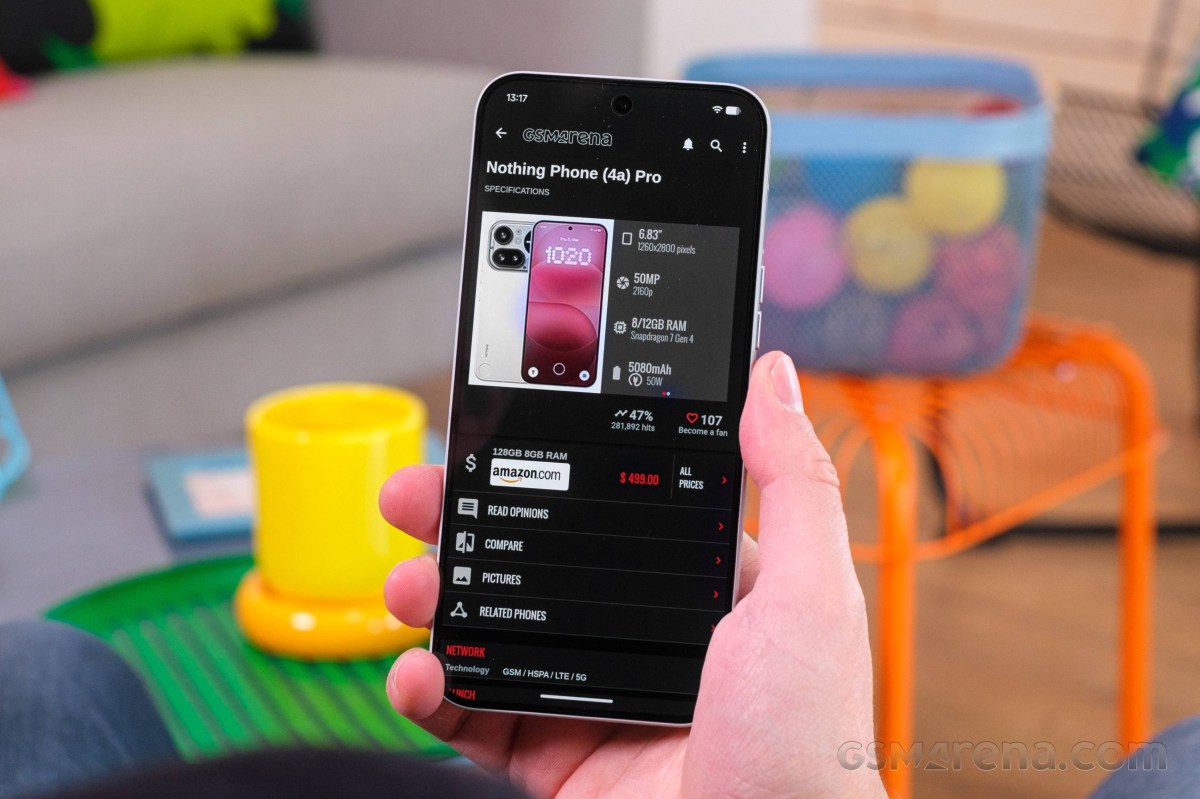
Before replacing a Nothing Phone (3a), check what its next software update brings. The stable Nothing OS 5.0 release adds camera tools to the older family alongside changes arriving on the newer Phone (4a) models.
GSMArena reports that the Phone (4a), Phone (4a) Pro, Phone (3a) and Phone (3a) Pro are receiving the Android 17 update. Nothing’s community changelogs confirm the official release and explain that delivery happens in stages.
Belliste’s view: this update gives existing owners a useful reason to reassess their phone before paying for new hardware. The camera tools deserve attention, but a changelog cannot establish better photographs or longer battery life.
The model name still matters
The Phone (3a) family’s changelog adds Tuning with seven adjustable effects, revised Presets and support for Filters and Tuning in video. It also lists Dual-view Video.
For the Phone (4a) and its Pro counterpart, Nothing lists simultaneous front-and-rear recording and faster Essential Voice transcription. Owners should read the entry for their exact model instead of assuming every feature mentioned in launch coverage applies to all four.
A tool that makes a camera easier to use can extend a phone’s usefulness without changing the sensor. Someone recording explanations or trips may appreciate showing themselves and the scene together. That does not establish the resolution, frame rate or quality of every dual-view combination; those details require checking on the updated handset.
Familiar tasks move around
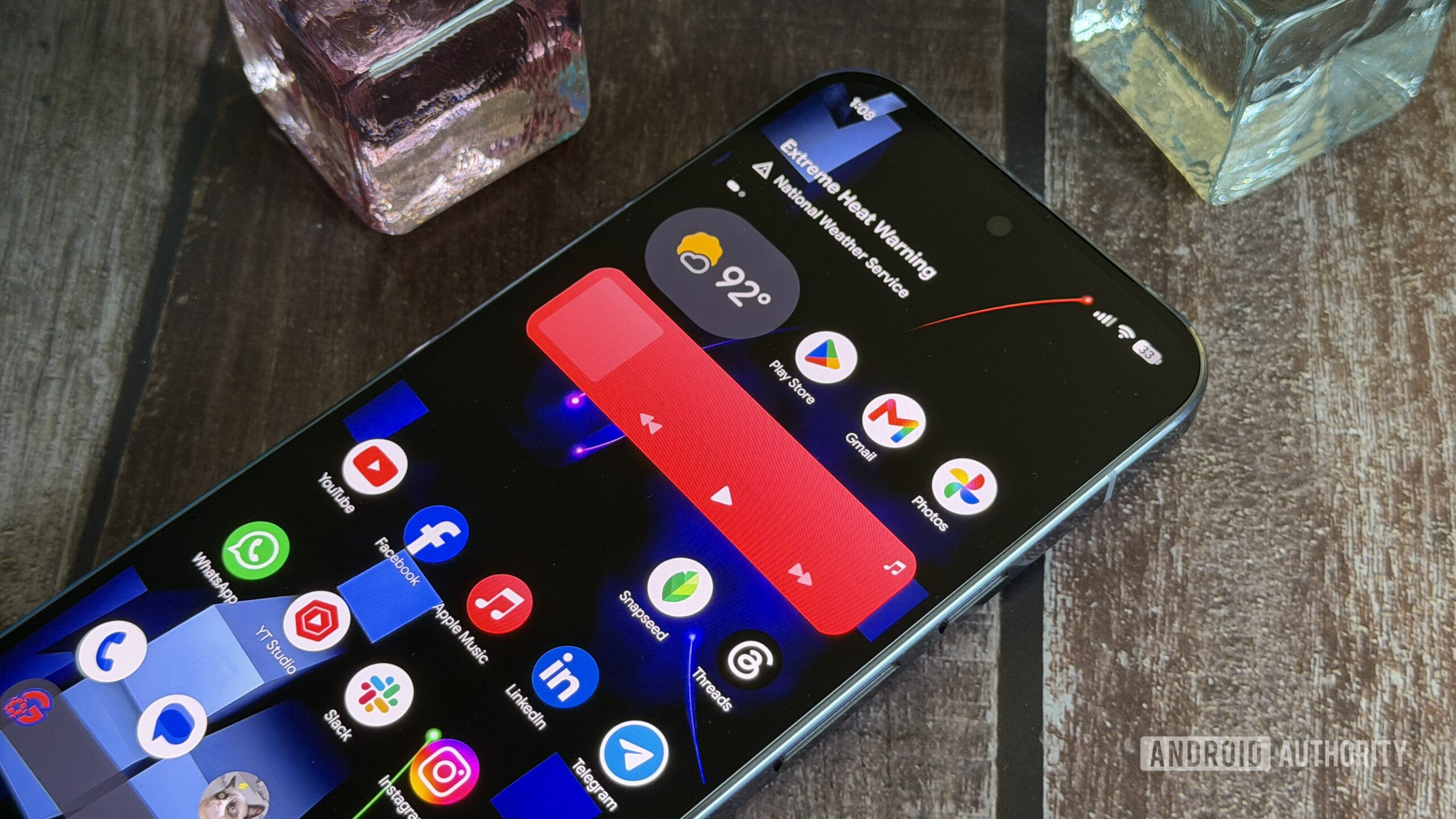
Nothing introduces a dedicated Glyph app and an optional split between notifications and Quick Settings. The update also adds bulk home-screen arrangement, a translucent launcher theme and revised Settings styling.
These changes may matter more in daily use than a new wallpaper. A person repeatedly connecting headphones or rearranging applications will encounter the controls often. Nothing lists one-tap Bluetooth connection and disconnection in Quick Settings, giving owners something concrete to try.
There is also a three-color status indicator for sensitive access, location and AI processing. It is an information cue, rather than proof that every application using those capabilities is trustworthy. Owners still need to understand the permissions they grant.
A rollout announcement is not a delivery receipt
If System update shows nothing available, that does not contradict the announcement. Nothing explicitly describes a staggered rollout, which allows deployment to be monitored.
Back up important data before installing. Nothing notes that a device can use more power and feel warmer during installation, with performance expected to return to normal afterward. That statement concerns the update process; it should not be used to dismiss persistent problems that continue after installation has finished.