Sony LYTIA 720 Targets Better Night Video, but the Phone Still Has to Deliver
By BellistePublished:
Sony’s new mobile sensor supports 4K/60 HDR with autofocus. Its claims are promising, but they are not finished-phone camera results.
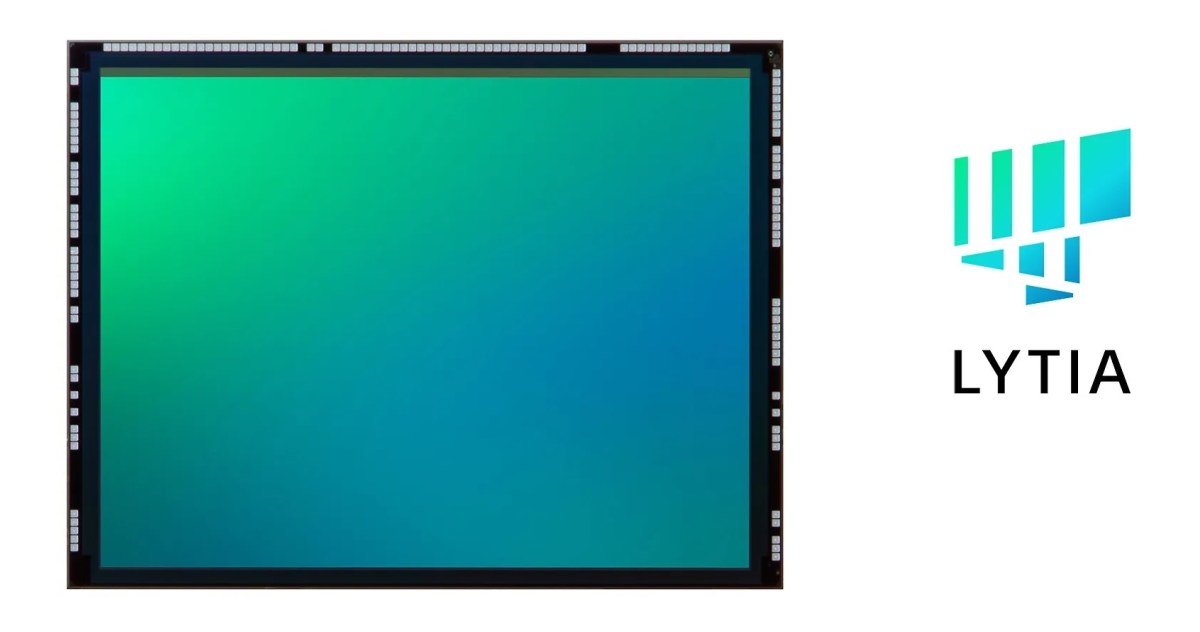
A phone camera that holds detail in a dim room while keeping a bright window under control is more useful than another increase in headline resolution. Sony’s LYTIA 720 announcement addresses that kind of problem, although buyers cannot purchase the result as a finished phone yet.
GSMArena covered the sensor on October 28. Sony’s own announcement identifies an approximately 50MP, 1/1.56-type stacked CMOS design, with mass-production shipments planned for early November 2026. The company advertises 4K/60 HDR recording with all-pixel autofocus.
Belliste sees the most interesting promise in usable video and low-light processing, rather than the megapixel number. We would still wait for a phone implementation before recommending a purchase around this component.
Read the noise claim precisely
Sony attributes approximately 50% lower random noise than LYTIA 700 to its Ultra High Conversion Gain circuitry. That is a manufacturer comparison involving a particular sensor characteristic. It does not mean every final photograph will look twice as clean, or that every handset using the sensor will beat its predecessor.
A camera system includes decisions made beyond the sensor. Lens design, exposure choices and processing determine what the owner actually sees. We would expect a useful review to show moving subjects as well as static night scenes, because the latter can flatter a camera that struggles with ordinary family photographs.
The same care applies to dynamic range. Sony describes a 100dB capability using its HDR technologies. That is a component claim rather than a score Belliste has measured in a retail device.
Video support is a starting point
Support for 4K/60 HDR with autofocus is attractive because buyers should not have to choose those functions in isolation. Whether a particular phone exposes that combination, and how long it can sustain it, remains a question for its manufacturer and for testing.
We would want a review to state the lens, frame rate and HDR setting used. A demonstration recorded through one camera mode cannot prove that every other mode has the same behavior.
For someone filming children indoors or walking from shade into sunlight, consistency could be more valuable than an impressive isolated sample. We would judge exposure transitions, focus behavior and the treatment of motion before deciding whether the new sensor makes a meaningful difference.
Shipments are not phones on a shelf
Sony’s planned November component shipments should not be read as a promise that a named handset will arrive then. The announcement does not identify a retail launch for buyers to schedule around.
An owner who needs a replacement now should compare cameras already available, with samples that match their use. Someone who can wait may reasonably keep an eye on upcoming products, but a component press release is too early to assign a price premium.