Samsung’s Record Quarter Hides a Tougher Phone Business
By BellistePublished:
Samsung’s Q3 results pair record chip profits with a loss for mobile and networks. Its flagship-focused plans do not guarantee cheaper Galaxy phones.
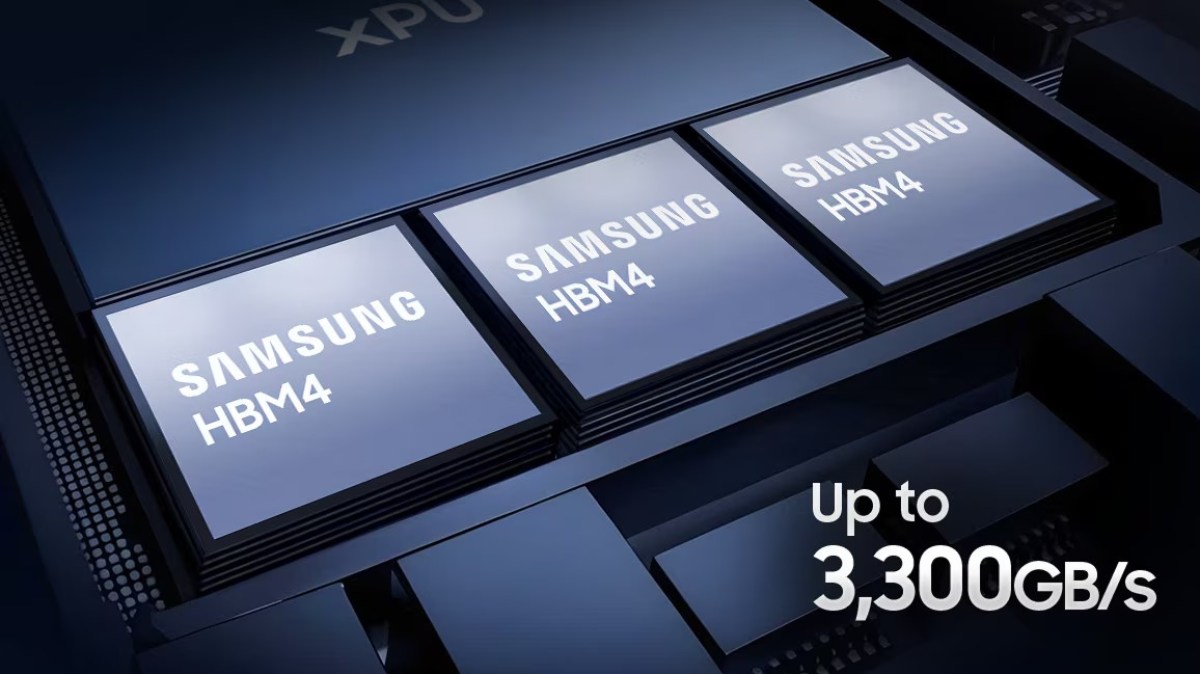
Samsung’s chip business and its phone business are telling different stories. The company’s third-quarter results show record semiconductor profits alongside an operating loss for the combined mobile and networks businesses.
That contrast matters more to a Galaxy shopper than the size of the parent company’s headline profit. A successful memory division does not automatically mean that Samsung can or will sell its next handset more cheaply.
GSMArena covered the results on October 30. Samsung’s underlying announcement is dated October 29 and covers the quarter ended September 30, 2026.
Belliste’s view: judge a Galaxy offer by its actual configuration, support and total purchase cost. Samsung’s record corporate results are not evidence that a premium phone is a bargain, or that broad price cuts are coming.
Keep the mobile numbers in their proper category
Samsung reports KRW 37.7 trillion in combined revenue for Mobile eXperience and Networks, with an operating loss of KRW 0.6 trillion. That is a combined result, not a disclosed loss attributable exclusively to smartphone hardware.
The company says flagship launches supported revenue and improved the product mix, while cost pressures weighed on year-on-year earnings. It is possible for expensive devices to support sales while the broader business still struggles with profitability.
For buyers, that makes the mix of products worth watching. Strong promotion of flagship models should not be mistaken for evidence that a less expensive Galaxy has disappeared or become unsuitable.
The next-quarter plan emphasizes expensive phones
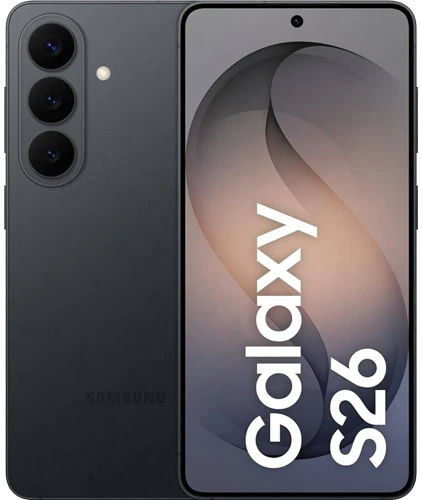
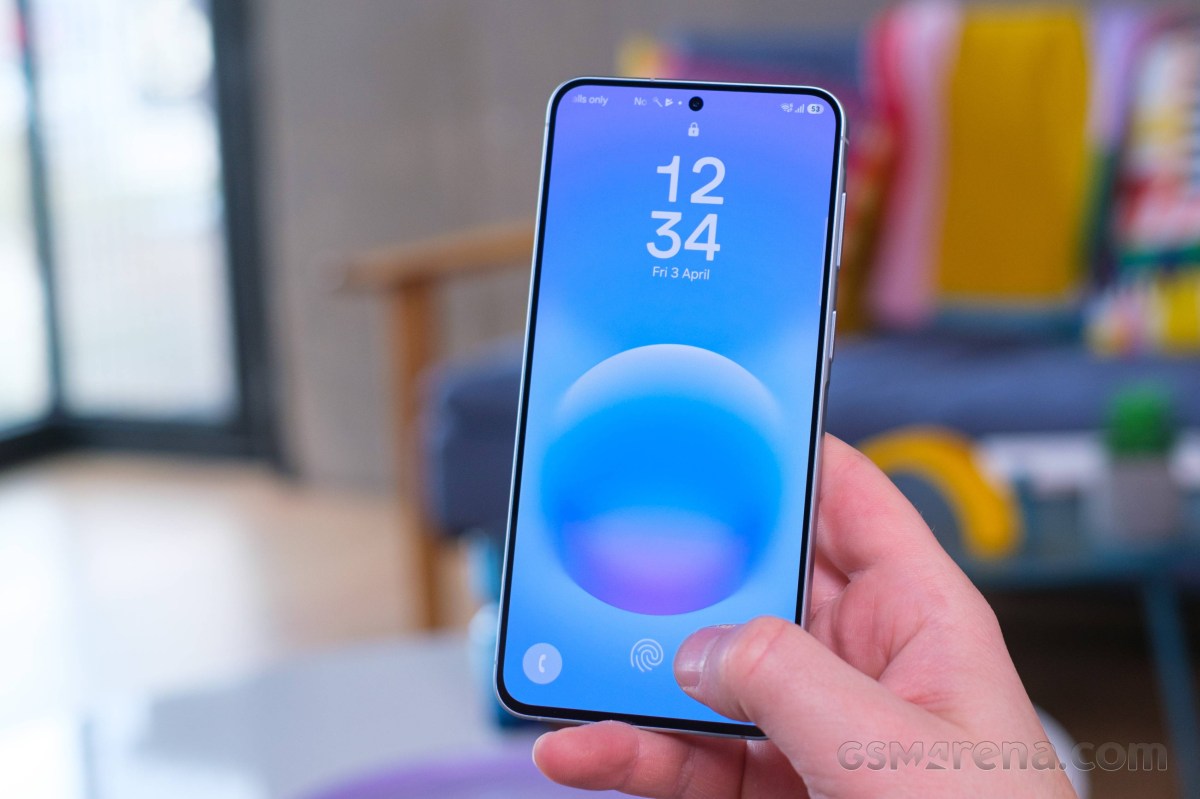
Samsung names the Galaxy S26 series, Z Fold8 Ultra and Z Fold8 among the products it plans to promote during the year-end shopping season. It also describes a flagship-centered product strategy for 2027.
Those are company plans. They are not confirmed prices, a complete future lineup or a promise of specific new features. The language about hardware and form-factor innovation leaves substantial room for interpretation.
A buyer comparing a midrange model with a promoted flagship should first identify the benefit being purchased. Extra camera options or a folding display might be useful; a bundle of services may be less valuable if it replaces subscriptions the buyer would never otherwise buy.
Memory success does not remove the cost problem
Samsung’s release describes strong AI-related memory demand and constrained capacity. That helps explain why a company supplying components can post impressive results while a device business faces a difficult cost environment.
It does not establish a particular increase in a future Galaxy’s price. Retail pricing also depends on configuration, market conditions and how a manufacturer positions the product.