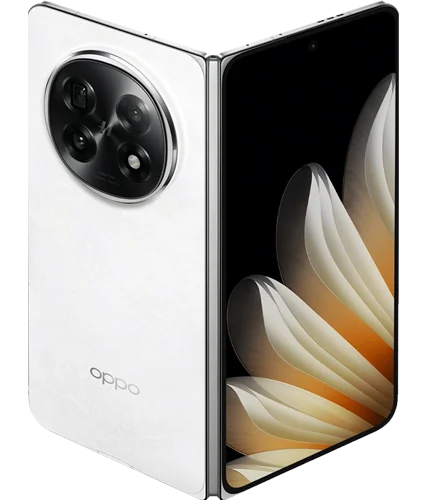
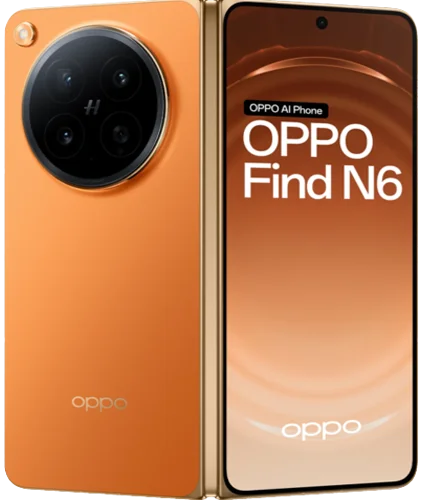
The OPPO Find N5’s most useful achievement is not the measurement taken while it is open. It is that the reviewer can use it closed without feeling as though he is carrying an awkward substitute for an ordinary phone. The cover screen is wide enough for comfortable typing, the body fits more naturally into a pocket and unfolding becomes a choice rather than an escape from a cramped display.
The supplied video makes a forceful comparison with a Samsung foldable of the period, but it also identifies places where thinness has not produced a better experience: speakers, parts of the camera system and software polish. That is the more interesting way to assess this phone. A slimmer foldable can remove one kind of inconvenience while leaving another untouched.
Belliste has not tested the Find N5. This article combines the supplied reviewer’s attributed findings with checked specifications and examines where the design saves effort in real use. The video belongs to the phone’s 2025 generation; its Samsung comparison, software observations and promotional offers should not be read as a fresh comparison with today’s models. The sponsor segment is not part of our buying recommendation.
The closed phone is the first test that matters
The Find N5 measures approximately 4.2mm unfolded and 8.9mm folded, with a weight around 229g. Its cover display is 6.62 inches and the inner screen 8.12 inches. Those dimensions explain the reviewer’s enthusiasm, but they are most useful when connected to a repeated action: replying to a message without opening the hinge.
He finds the cover screen’s proportions natural for typing and appreciates how close the folded phone feels to a conventional large handset. This changes more than pocket comfort. It lets the owner decide whether a task deserves the larger screen, instead of opening the device simply to make the keyboard usable.
There are smaller reservations. The reviewer dislikes the asymmetric corner shapes and finds the back less luxurious to touch than its appearance suggests. Neither erases the practical improvement, but they explain why a specification cannot fully describe how an expensive object feels.
If you are considering one, spend time using it closed. Type a paragraph, open the camera, check a map and reach for the controls with one hand. A foldable’s large display is easy to demonstrate; the smaller interactions determine whether you enjoy carrying it all day.
The larger screen needs to remove a real interruption
The presenter is particularly positive about multitasking. He demonstrates several applications arranged so that each remains usable, rather than simply squeezing every window into the same small space. The value is being able to move between related tasks without repeatedly losing sight of one of them.
For ordinary work, that might mean checking a date in a document while writing a reply, comparing two listings or keeping reference material visible beside a note. These are examples of potential use, not workflows Belliste has timed on this device. The important question is whether your own applications cooperate with the layout.
OPPO’s launch documentation describes Boundless View for three-app multitasking. That provides a capability, while the reviewer contributes the more subjective finding that it feels intuitive. Both are useful; neither guarantees that every application’s keyboard, text size and window behavior will suit you.
The reviewer also likes File Dock as a place to gather material before sharing it. The attraction is reducing repeated trips back to a gallery or file browser. If you regularly assemble photographs, documents and links into a message, this can matter more than opening an additional window just because the screen allows it.
A convincing demonstration should use the applications you already depend on. Open them together, call up the keyboard and check whether a second task remains readable. If you do not have a repeated reason to use the open screen, thinness alone is an incomplete reason to choose a foldable.
Less reflection is useful, but it is not the same as more brightness
The source reviewer prefers the Find N5’s overall display arrangement. He finds the inner reflection treatment helpful and the crease less distracting than on the Samsung in his comparison. He also acknowledges that Samsung’s screens are brighter outdoors. Those observations should stay together rather than be compressed into a claim that one phone wins every display condition.
A crease can be noticeable under a reflected light yet easy to ignore while reading. A brighter panel can improve visibility without solving reflections from every direction. The review is useful because it discusses those separate parts of the experience rather than treating a peak-brightness number as the answer.
For a prospective owner, try a page with a light background, a dark video scene and a window reflected across the center. Notice how often the fold draws your attention during actual use. A demonstration under ideal indoor lighting may tell you less than a few minutes in the conditions where you normally read.
This is also why a description such as “largely creaseless” should remain an impression. The screen still folds. The relevant improvement is how seldom the crease interferes, not proof that there is no variation in the surface.
The battery argument is strongest outside the heaviest workload
The Find N5 has a 5,600mAh battery, with 80W wired and 50W wireless charging. The reviewer finds it lasts longer than the Samsung comparison phone in mixed use, but says that under the heaviest load the two can drain at a similar rate. That distinction is more helpful than an unconditional endurance victory.
A larger battery provides a reserve, while actual consumption depends on the display, processor workload, network and applications. The supplied account supports a favorable impression of ordinary endurance; it does not define a guaranteed number of hours for every owner.
The reviewer reports an approximately 50-minute full charge with the appropriate equipment and contrasts that with a slower result for the comparison handset. Those are his setup’s results, not a promise for every charger. Maximum wireless power likewise needs compatible equipment rather than any existing pad.
For an older unit, battery condition now becomes part of the purchase. A test performed on a fresh review phone does not measure a used device that has spent many months recording, gaming or charging in heat. Ask about its condition and the return terms before treating the original endurance impression as something you are guaranteed to receive.
The original video’s included charger and case are useful context, but they do not establish the contents of a reseller’s package today. Check the actual offer, particularly when comparing an imported or refurbished phone with local alternatives.
Water protection does not answer the dust question
The presenter praises the water-resistance engineering and then points out the missing dust certification. That qualification is particularly important on a folding device. The Find N5’s published water ratings include IPX6, IPX8 and IPX9; the X does not provide a certified dust-protection grade.
It should not be rewritten as “dust-proof,” nor does it prove the phone has no physical defenses against particles. It means the advertised water tests do not establish a dust rating. A hinge and folding display introduce care considerations that a reassuring water demonstration does not settle.
The video’s broad enthusiasm about durability is not a controlled long-term damage comparison. We would assess service access, inner-screen repair arrangements and the seller’s warranty separately. A used phone that has already been opened for repair deserves particular questions about what sealing and protection remain.
For someone working around dust or often carrying a phone with grit in a bag, this can be more relevant than another fraction of a millimeter saved. Thinness is a daily benefit only if the care requirements fit the way the device will actually be used.
The camera system exposes the limits of the thinner body
The reviewer expected a decisive camera advantage and did not find one. He considers the main camera decent but dislikes some of its contrast and color rendering, while finding the 8MP ultrawide a weak part of the system. He prefers the competing phone’s portrait depth handling in his samples.
The telephoto makes a better case for the Find N5. Its 50MP 3x view gives the reviewer more detail, and he values using it for close-ups rather than relying on an ultrawide macro approach. OPPO’s launch information describes telemacro focusing as close as 10cm. The benefit is a different working distance and framing choice, not an automatic win for every close-up subject.
That camera can help when approaching would block light or disturb a subject. It is less helpful if your main priority is a broad interior scene, where the ultrawide’s limitations become harder to avoid. A balanced buying decision should be led by the photographs you take, rather than the strongest lens the phone happens to have.
He also prefers the inner selfie result to the under-display camera on the Samsung in the video. That is a specific comparison against a particular design choice, not evidence that the N5 replaces a leading conventional selfie phone.
The review therefore gives little reason to buy this foldable solely for camera superiority. It offers useful photographic tools within a very thin package, while retaining compromises that someone prioritizing image quality may find easier to avoid in a conventional phone.
Speed gains and software polish are separate experiences
The Find N5 uses a seven-core variant of Snapdragon 8 Elite. The reviewer reports substantial advantages in his stress-test comparisons, though the gap varies when he repeats the test. That variation is worth keeping: a benchmark result is a measurement under particular conditions, not a fixed advantage in every task.
He also finds some Samsung interface animations subjectively quicker, even while preferring the OPPO’s application opening and camera responsiveness. This is not contradictory. An animation can feel immediate without indicating greater computing power, and a higher score does not determine every detail of perceived speed.
Software is where his enthusiasm becomes more qualified. He criticizes app recommendations, promotional notifications and inconsistent AI availability, while recognizing the usefulness of OPPO’s multitasking. Those are observations of the software he used then, not verified descriptions of every current regional build.
The same caution applies to signal enhancement. He cannot find a consistent practical advantage from LinkBoost in his locations. That does not prove it never helps; it means the video supplies no demonstrated reason to count the manufacturer’s percentage claims as a benefit for your own network.
The reviewer also finds the speakers less rich than Samsung’s. Someone who watches frequently on the inner screen should care about that alongside display quality. A thinner body can improve carrying comfort without improving the entertainment experience in every respect.
Cross-platform convenience has a narrower meaning than ecosystem integration
The presenter likes sending full-quality files to an iPhone through O+ Connect, but explicitly stops short of calling it native Apple integration. That is the right distinction to preserve. A file-transfer tool can solve a recurring frustration without reproducing an entire ecosystem of watches, computers and cloud services.
Before relying on it, test the specific devices and file types you intend to share. Check what software the receiving device requires and whether the result retains the information you need. One successful transfer says less about every other cross-device task.
AI generation and editing are similarly optional parts of the proposition. The presenter admires some results while noting inconsistent behavior and credit limits in his version. We have left the video’s sponsor offer and VPN instructions out of the assessment, and do not treat old AI credits or promotions as current entitlements.
For support, OPPO’s original global launch information states five years of security updates. That is separate from the number of major Android upgrades and does not restart when an older phone is purchased. Confirm remaining support, regional services and the installed software on the actual unit.
Belliste verdict: the thinness works when the big screen earns its place
The Find N5’s most persuasive achievement is making the closed phone feel less like a compromise while preserving a genuinely useful open workspace. The source reviewer’s preferred multitasking and comfortable cover display give the thin design a practical purpose beyond an impressive measurement.
Its limitations are equally specific. The ultrawide and speakers are weaker parts of his experience, dust certification is absent and the software needs to be judged on the version and market you will use. None is erased by a favorable benchmark or a fast recharge.
We would consider the N5 for someone who repeatedly needs applications side by side and values a foldable that is easier to carry closed. Compare the actual price and repair support with newer options before deciding. If the inner screen has a regular job in your day, the design can save effort; if it mainly serves as a novelty, the camera and care compromises are harder to justify.
Sources and review basis
Hands-on judgments and comparative test observations come from the supplied video and transcript, reflecting the phone’s original review period. Hardware was checked against GSMArena’s specifications and OPPO’s global specifications. Multitasking, telemacro and original security support were checked against OPPO’s launch announcement. Belliste has not carried out current-software or long-term durability testing.