Redmi K100 Goes Official: The 10,000mAh Battery Is Only Half the Purchase
By BellistePublished:
The K100 launch adds price and availability to Redmi’s earlier teasers. Import costs and real endurance still need checking.
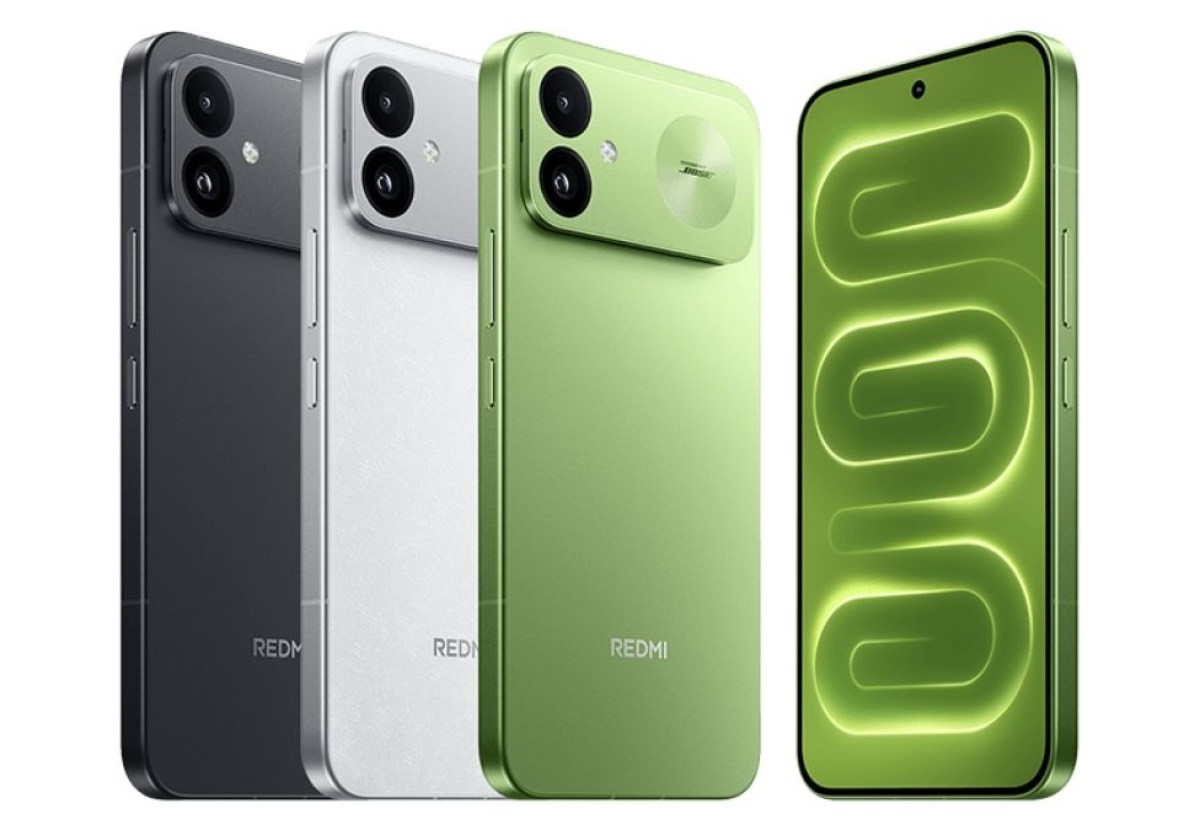
Redmi’s K100 has moved beyond the camera and fingerprint teasers into a buying proposition: a reported China launch with a price, storage configurations and a 10,000mAh battery. That is a meaningful change for anyone waiting to see what the complete phone costs.
GSMArena’s October 28 launch report lists CNY 3,499 for 12GB/256GB, alongside Snapdragon 8 Elite, a 6.83-inch OLED display and 100W wired charging. It describes a 165Hz panel, a 50MP main camera with stabilization and an 8MP ultrawide. These are reported launch specifications, not Belliste test results.
Belliste would put the K100 on a battery-focused shortlist, while refusing to treat a converted China price as the cost of owning it elsewhere. The value calculation needs the actual seller, software and support arrangements.
What the larger battery might change
For someone regularly ending the day near empty, additional battery capacity addresses a more immediate problem than another camera mode. We would nevertheless wait for tests matching that owner’s habits before promising a particular number of days between charges.
A phone used for navigation over mobile data cannot be judged from a video-playback demonstration alone. Nor does an advertised charging maximum establish how quickly the battery fills during a short stop.
We would look for the battery percentage reached after a stated charging interval, with the adapter and conditions disclosed. That is easier to use in a purchasing decision than a maximum wattage without context.
Performance needs a workload
The Snapdragon name and high display refresh rate make the phone interesting for gaming, but neither establishes sustained performance. A useful review should state the game, settings and duration, then show whether the experience remains consistent.
The camera configuration also signals a reason to be selective. Someone who mainly photographs people at normal distances may care about different samples from someone who wants distant detail. A two-camera count does not settle whether either buyer will be satisfied.
We have not tested temperature, gaming, cameras or battery endurance. Our recommendation at this stage is to identify the tests that would change the purchase decision, rather than award a winner from launch specifications.
The cost outside China
The report concerns China availability. It does not establish a global release, a local warranty or a future rebranding under another name.
Before importing, we would confirm the precise software version, essential application support, local network compatibility and the party responsible for repairs. Delivery charges and taxes belong in the same total as the device, not in a separate mental category.