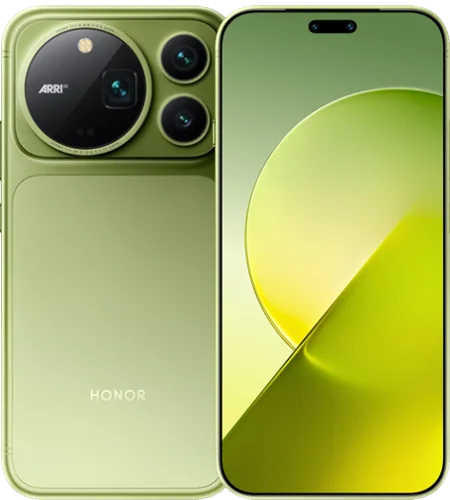
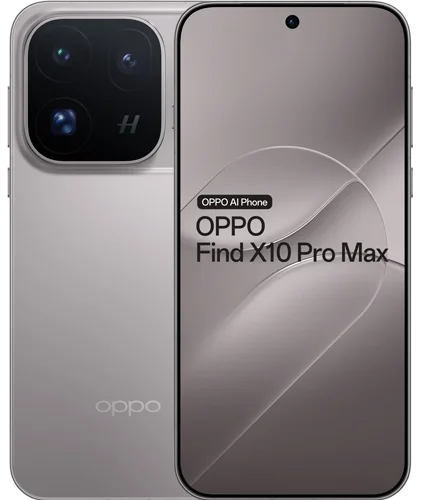
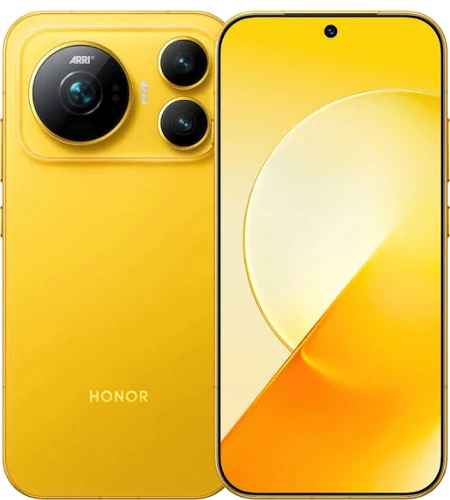
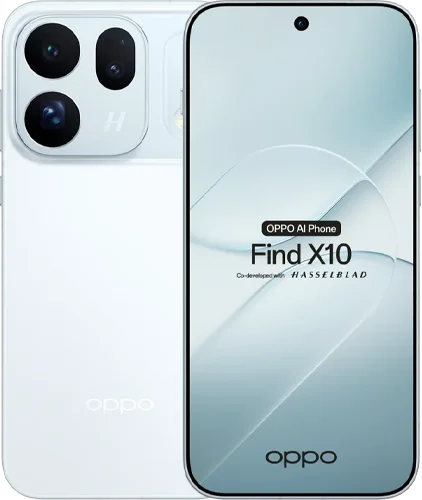
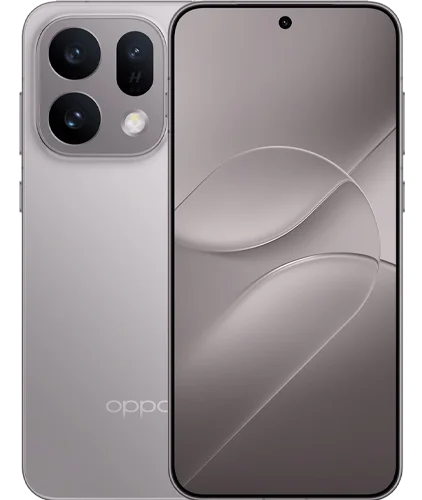
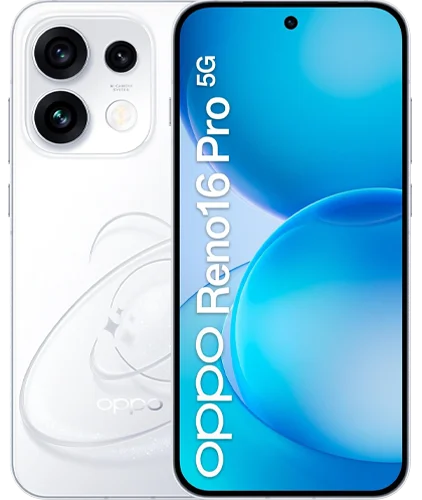
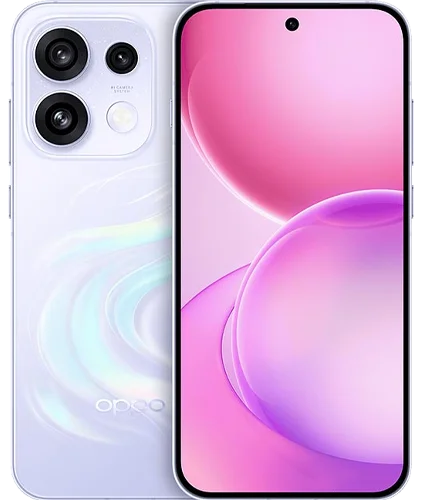
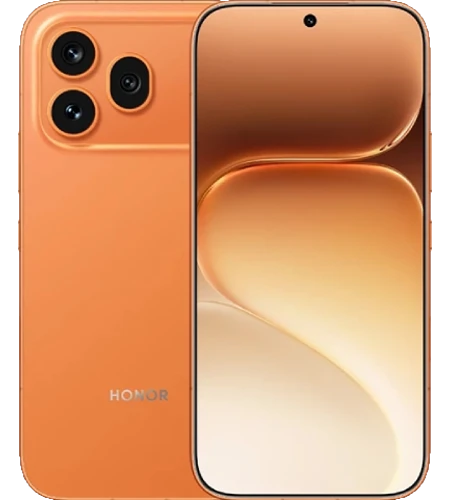
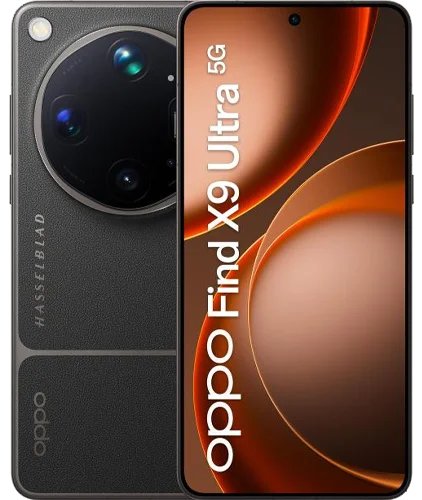
A portrait can look clean because the camera preserved the face, or because it smoothed away the texture. In this comparison, that distinction is where the OPPO Find X10 Pro Max starts building its case against the HONOR Magic 9 Pro Max.
The supplied video repeatedly favours OPPO, from portraits to night photography and several zoom examples. But a useful reading requires more than adding up the presenter’s wins. The differences involve skin treatment, shadow brightness, sharpening and highlight retention—choices that can help one scene and work less well in another.
This article analyses the supplied transcript alongside official camera specifications. Belliste has not independently tested these phones or inspected the original files. Judgments about the sample photographs and clips are attributed to the reviewer.
Start with a face, not the megapixel count
The portrait section is the clearest expression of the reviewer’s preference. He describes OPPO as retaining more facial definition and more believable skin colour, while HONOR applies smoothing that makes the face look softer.
He finds subject separation strong on both phones. OPPO’s background blur is described as creamier, with smoother transitions, but the distinction is not simply that one can identify a person and the other cannot.
For a buyer, the useful question is whether you like the treatment of the person. A softer face can be an intentional aesthetic preference; it becomes a problem when the camera removes texture you wanted to keep.
Before treating the result as a fixed difference between brands, check the beauty and retouching settings used. The transcript does not fully document them. If possible, photograph the same person with those settings disabled on both devices.
Inspect hair, the edge of glasses and transitions between a face and background. Then step back to normal viewing size. A portrait should work as a photograph, rather than only surviving an enlarged crop.
The reviewer’s model also prefers OPPO’s selfies. That adds another person’s preference, not a statistically representative conclusion about skin-tone accuracy.
Similar main-camera resolution, different rendering
Both phones have 200MP main cameras. Their published specifications do not suggest identical optical systems, however, and a matching resolution does not determine the final photograph.
In daylight, the presenter regards both as strong. He gives OPPO a smaller advantage in texture and handling difficult brightness differences, while also describing its blues and greens as richer.
Those claims should be kept distinct. Richer colour can look appealing without being a more accurate record. Likewise, lifting a shadow can reveal useful information, but brightness alone does not prove superior detail.
For a practical comparison, look at a face in shade beside a bright background. Does the skin remain believable? Are bright surfaces retaining texture? Do dark areas look detailed or simply grey?
The video gives reasons to prefer OPPO’s balance in the selected scenes. It does not establish that every daylight photograph will show a substantial gap.
The ultrawide is a meaningful hardware difference
OPPO lists a 200MP ultrawide, while HONOR specifies a 50MP autofocus ultrawide. Both manufacturers also list 200MP telephoto cameras, with OPPO offering a native 3x view and HONOR listing 3.5x.
That puts the ultrawide among the more obvious differences to investigate. In the video’s daylight examples, the reviewer finds OPPO stronger in fine texture, contrast and retention of bright and dark information.
After sunset, he reports a more noticeable advantage: OPPO produces clearer textures and more visible shadow information, while HONOR looks warmer and loses some darker detail.
There is a qualification even within the positive account. Some OPPO ultrawide highlights appear overexposed. A brighter night image can therefore be more useful in one part of the frame while preserving less information elsewhere.
For travel or interior photography, inspect the edges as well as the centre. Signs, faces near a corner and small repeating textures can reveal limitations that a clean-looking central subject hides.
Zoom preferences need equivalent framing
The reviewer favours OPPO across several examples between roughly 4x and 10x. He describes clearer textures and less haze, then gives it a stronger preference at 20x, where lettering and edges look more defined.
These settings extend beyond the native optical views. Digital cropping and computational processing therefore influence the result.
A crisp-looking letter is not automatically proof of more faithfully captured information. Sharpening can strengthen an edge, while reconstruction can create a convincing pattern. The presenter himself notices sharpening in OPPO’s distant images.
Compare equivalent framing and inspect ordinary output sizes before deciding. Different native focal lengths mean the two phones do not begin a 6x crop from exactly the same optical view.
The nighttime examples make the decision more interesting. OPPO is described as revealing more shadow information, but HONOR sometimes preserves the intensity of illuminated signs better.
If your photographs include neon, theatre entrances or bright shopfronts, that exception deserves attention. The preferred image depends on whether the subject is the dark street, the illuminated sign, or both.
Stabilisation has more than one test condition
For the 4K movement test, the reviewers run and deliberately shake the phones. The presenter finds OPPO noticeably smoother, with better control of bright areas.
That is useful evidence about the demonstrated recording setup. It should not be stretched into a verdict covering every lens, frame rate and stabilisation option.
Later, in the night-video discussion, he describes stabilisation as similar between the phones. He still prefers OPPO’s exposure, fine detail and handling of artificial light.
Those observations are compatible. A demanding movement test in one mode can produce a larger difference than a different scene recorded with another configuration.
If you record while walking, compare the visible crop, movement and edge distortion along with smoothness. Strong stabilisation is less helpful if the chosen view becomes too tight for the scene you need.
The 5x video segment invites viewers to decide rather than supplying a clear spoken verdict. It would be misleading to count that section as another narrated OPPO win.
What the night results can and cannot establish
Across the main-camera night scenes, the presenter repeatedly prefers OPPO’s exposure and cleaner-looking shadow detail. This is the strongest recurring pattern in his account, alongside the preference for facial texture.
However, the transcript does not supply shutter speeds, capture durations, firmware versions or a repeated success rate. A detailed result from a static scene cannot tell us how reliably the same phone captures a moving person.
That distinction matters if your photographs mostly involve children, pets or people at evening events. More visible detail in a building does not guarantee fewer blurred faces.
Use this review to identify promising strengths, then seek examples that match your subjects. Consistency across several attempts is more valuable than one outstanding frame.
A camera-led choice, with a clear boundary
On the evidence described in this video, OPPO is the stronger candidate for buyers who dislike skin smoothing and want the reviewer’s preferred balance of texture and shadow visibility. Its ultrawide and several zoom examples reinforce that recommendation.
HONOR should not be dismissed as incapable. The presenter praises both phones in several categories and notes better handling of some illuminated signs on HONOR. A buyer who prefers its rendering may reasonably reach a different conclusion from the same samples.
This comparison also does not settle battery life, software, support or value. No verified local price comparison is provided here, so the camera preference cannot establish which complete phone is the better purchase.
Choose OPPO if the strengths shown address the photographs you repeatedly make and the price difference is acceptable. Before paying, test the same difficult subject on both phones with comparable settings. The best result is the one you can obtain reliably and still like when the comparison labels are gone.
Sources
Original camera comparison and supplied transcript · OPPO official specifications · HONOR official specifications
Frequently Asked Questions