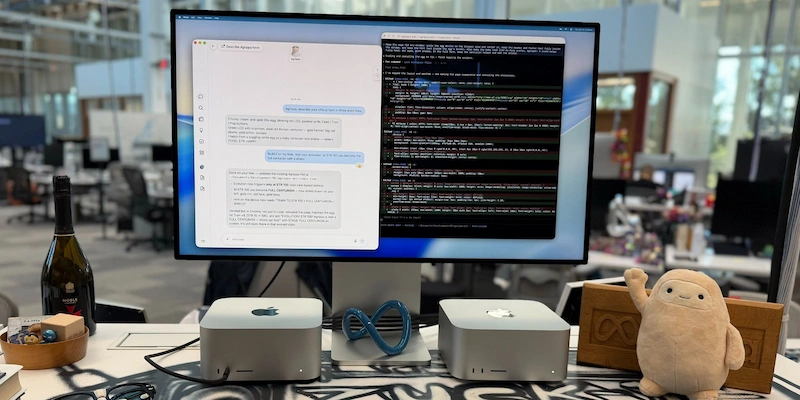
Claude Review 2026: Is Anthropic’s AI Assistant Worth It?
Published:
A detailed Claude review for 2026 covering pricing, models, reasoning, 1M context, web search, Research, files, coding, memory, Artifacts and business features.
VIDEO REVIEW
Claude 2026 Review – How I AI
Claude has evolved into one of the strongest general-purpose AI assistants for writing, coding, research and professional knowledge work. Anthropic now combines long-context models with web search, Research, memory, Projects, file creation, code execution, Artifacts and a growing ecosystem of connectors. For users comparing Claude with ChatGPT, Gemini and other assistants, its strongest differentiators are thoughtful writing, strong coding and reasoning, long-context workflows and a productivity-focused interface.
What is Claude?
Claude is Anthropic’s AI assistant for individuals, developers and organizations. It runs on the Claude model family and is available on web, mobile and desktop. Current plans range from Free and Pro to Max, Team and Enterprise, with access to different model families and usage allowances. Claude can handle everyday chat, complex reasoning, software development, document analysis, research and multi-step professional tasks.
Claude models and 1M context
Claude offers multiple model families aimed at different balances of intelligence, speed and cost. Anthropic’s current pricing page lists Sonnet, Opus, Haiku and higher-capability options with availability depending on the plan. A major advantage for demanding workflows is context capacity: Claude supports up to a 1 million token context window on compatible models. That makes it particularly attractive for large documents, codebases and extended knowledge-work sessions.
Web Search and Research
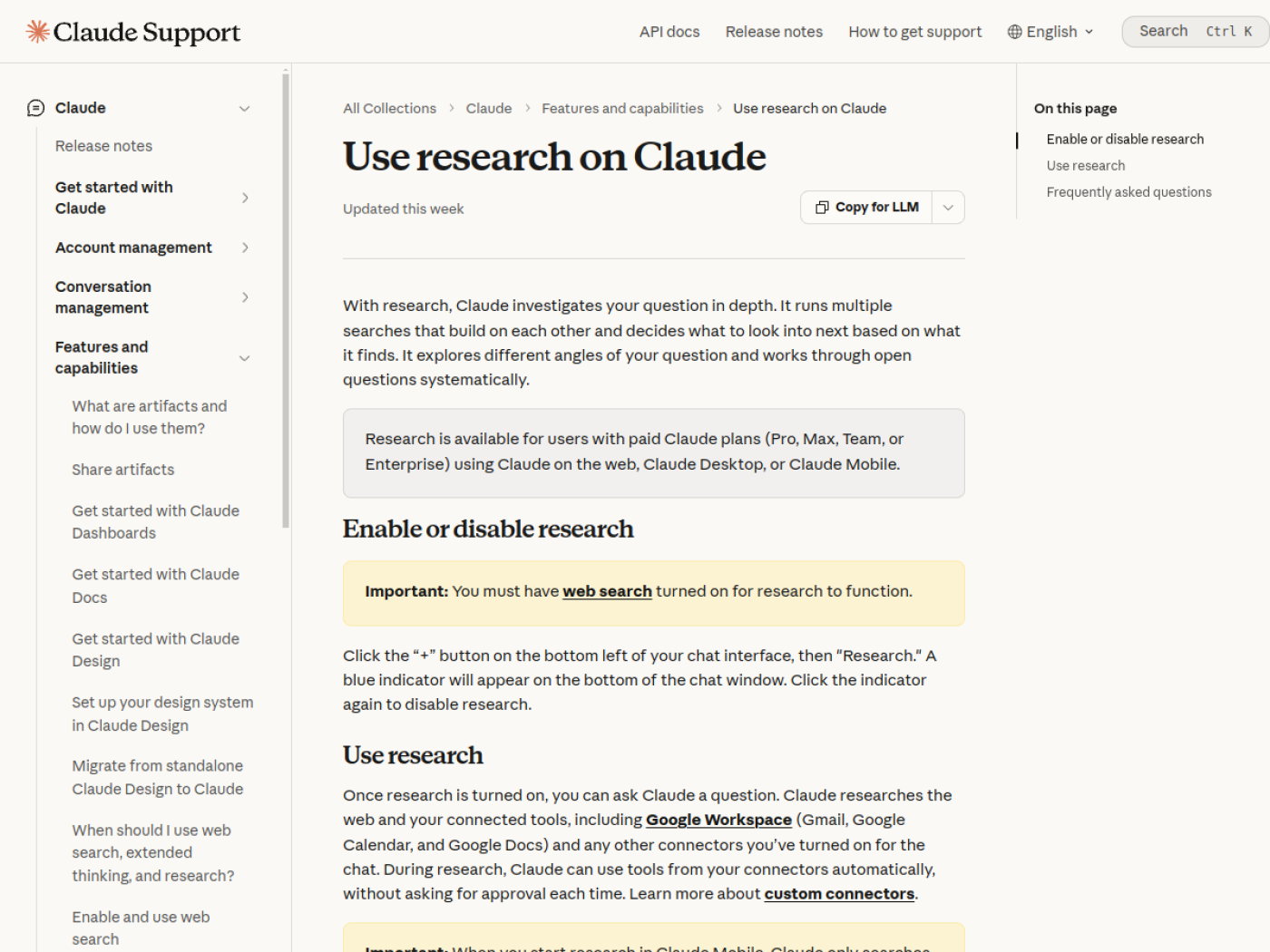
Claude can search the live web and return cited answers. For more demanding investigations, the paid Research feature performs multiple searches, follows different lines of inquiry and builds a more complete response with citations. This gives Claude two useful research modes: quick web search for current facts and a deeper agentic workflow for questions that need broader evidence and synthesis.
Files, data analysis and document creation
Claude supports a wide range of documents including PDF, DOCX, CSV, TXT, HTML, ODT, RTF, EPUB, JSON and XLSX, along with common image formats. Its computing environment can perform Python-based data analysis, create visualizations and generate or edit Excel, PowerPoint, Word and PDF files. This makes Claude useful not only for summarizing documents but also for producing finished business deliverables.
Coding, Projects and Artifacts
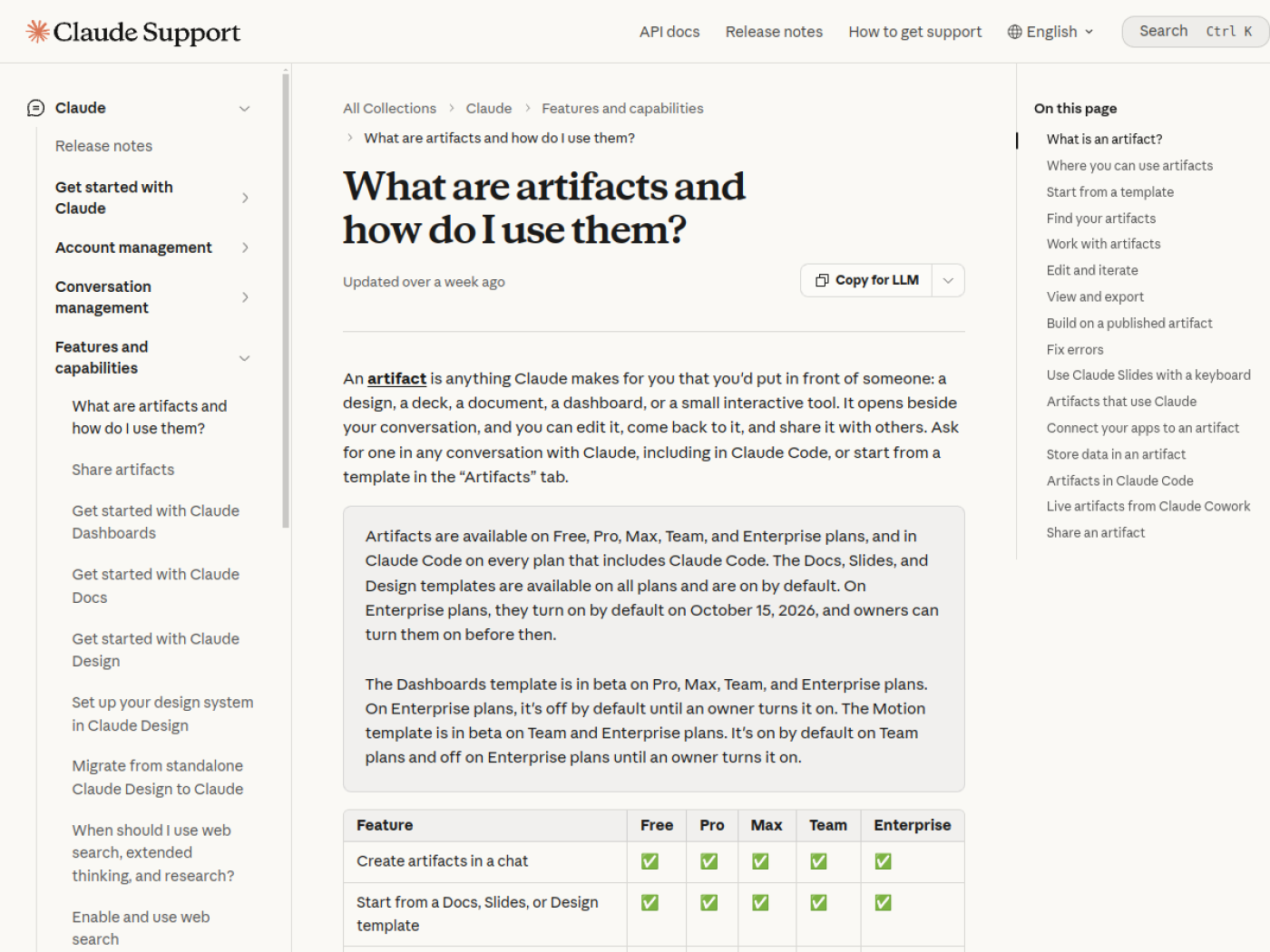
Coding remains one of Claude’s strongest use cases. Paid individual plans include Claude Code, while Projects organize related chats, documents and instructions. Artifacts provide an editable workspace for designs, documents, dashboards, diagrams and interactive tools. Anthropic has also expanded Claude with Docs, Slides and Design experiences, giving the assistant a stronger role in end-to-end professional creation.
Multimodal capabilities and limitations
Claude can analyze uploaded images and documents and supports voice experiences, but it is important to distinguish visual creation from native image generation. Anthropic states that Claude does not generate photos or illustrations like dedicated image-generation systems. Instead, it can create diagrams, charts, SVG-based visuals and interactive content. Users who prioritize native photorealistic image generation may therefore prefer an assistant with an integrated image model.
Claude pricing in 2026
Claude has a free plan at $0. Pro costs $20 per month in the US, or an effective $17 per month when using the $200 annual subscription. Max starts at $100 per month, with a higher $200 tier for heavier use. Team Standard starts at $20 per seat per month when billed annually or $25 monthly, while Premium seats cost more. Enterprise combines seat pricing with usage-based costs. API access is a separate product and is billed independently from Claude subscriptions.
Who should choose Claude?
Claude is especially compelling for writers, developers, researchers, analysts and professionals working with large amounts of text, code or documents. Its combination of long context, advanced reasoning, Research, coding tools, file creation and clean project organization makes it a strong productivity assistant. Teams can also benefit from connectors, shared projects and administrative controls.
Verdict
Claude is one of the strongest all-round AI assistants in 2026, particularly for writing, coding, research and long-context professional work. Its Free plan makes it easy to test, while Pro offers a practical upgrade for regular users. The main trade-offs are usage limits that vary with workload and the absence of native photo or illustration generation. For users who value reasoning, documents and coding more than image creation, Claude belongs near the top of the shortlist.