AI News This Week: Pentagon Drops Anthropic, Altman Defends Light Regulation, and Investors Pour Billions Into Inference
Published:
AI headlines this week cover defense contracts, regulation, music rights and a funding rush into inference chips and infrastructure.
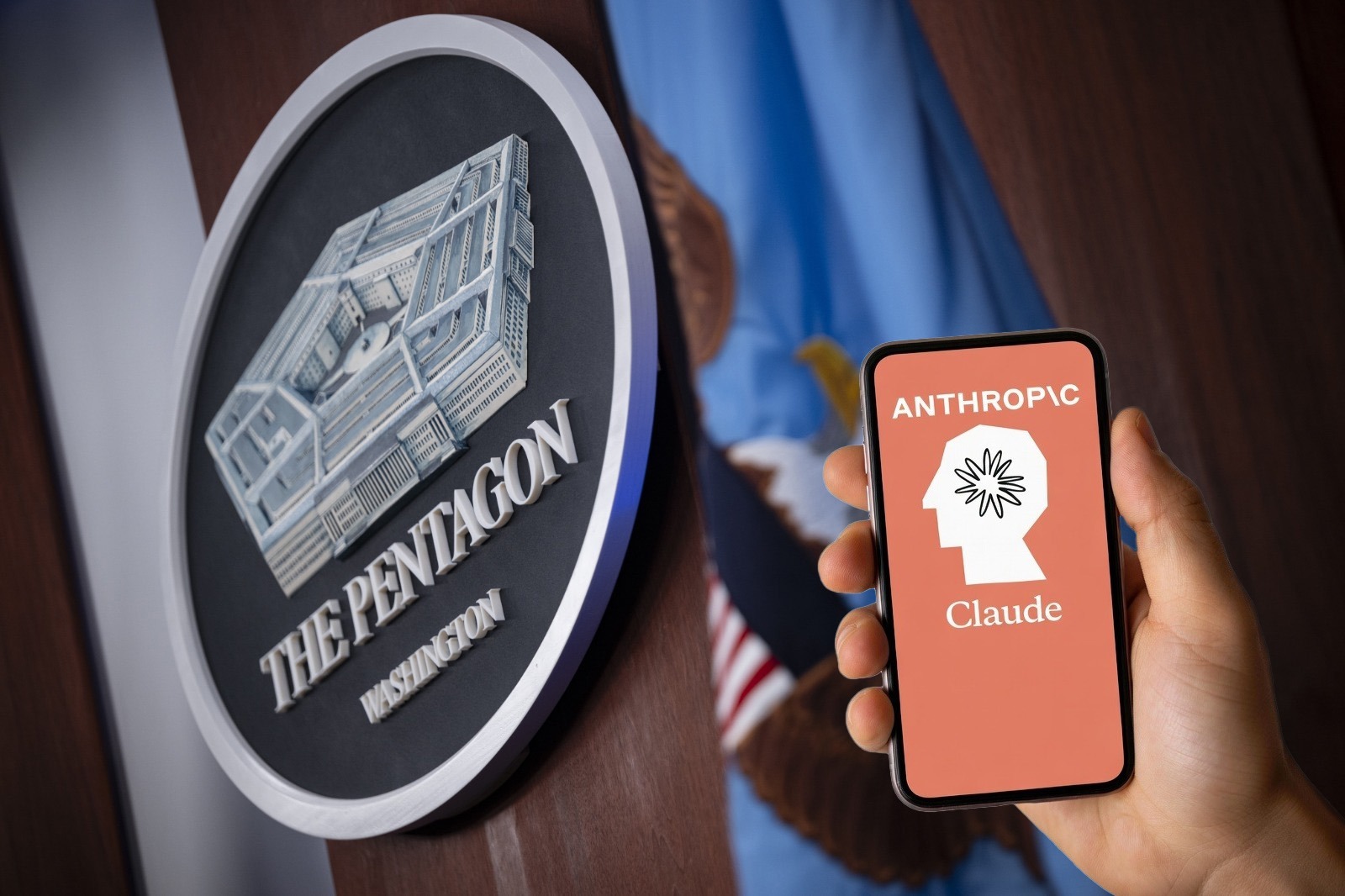
AI headlines this week cover defense contracts, regulation, music rights and a funding rush into inference chips and infrastructure.
Pentagon Confirms It Has Stopped Using Anthropic’s AI
The U.S. Department of Defense says it has ceased using Anthropic products after a months-long phaseout. The dispute followed the Pentagon’s supply-chain-risk designation and Anthropic’s refusal to remove safeguards involving mass surveillance and autonomous weapons. Reporting around the transition also highlighted Claude’s earlier integration into military workflows including Palantir’s Maven ecosystem.
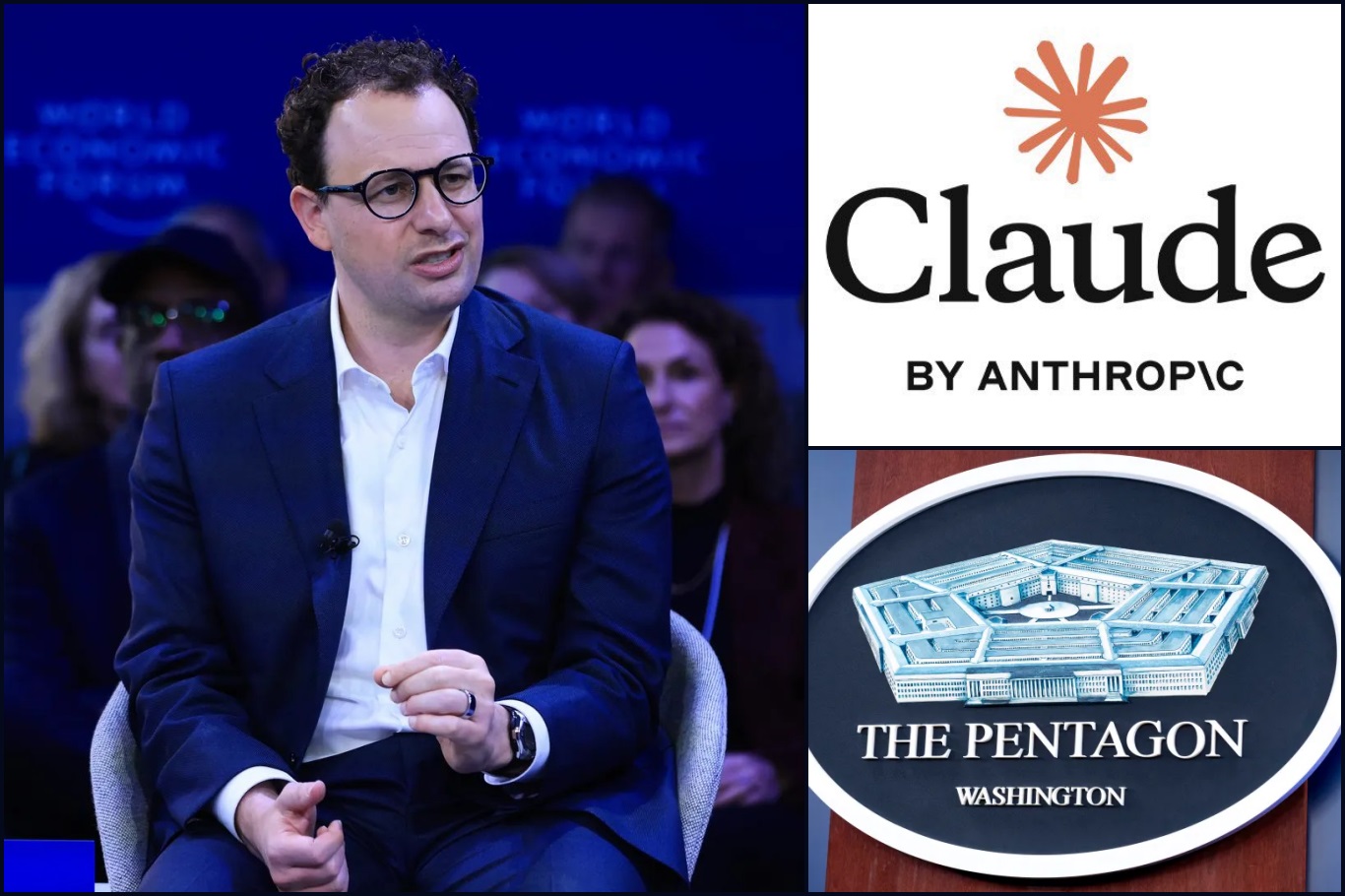
Why it matters: frontier AI companies that impose strict usage limits may face trade-offs in government adoption, especially as defense agencies expand their use of competing AI systems.
Sam Altman Argues for a Lighter Regulatory Touch
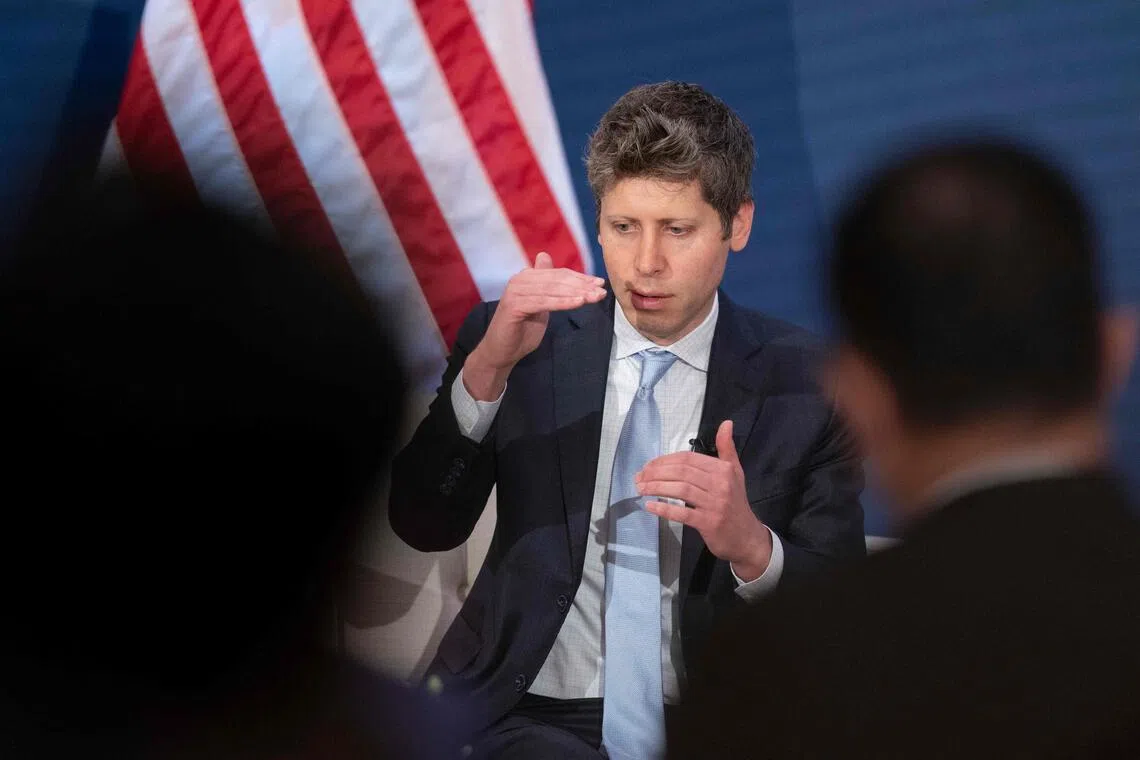
OpenAI CEO Sam Altman argued that society may have to accept some harmful outcomes from AI, including hacks and scams, in exchange for broader benefits. His comments have intensified the debate over whether frontier AI should rely mainly on voluntary safeguards or stronger independent regulation.
Investors Bet Big on AI Inference
Investor attention is moving deeper into inference — the computing required to run AI models after training. Etched is reviewing funding offers valuing the AI chip startup at roughly $40 billion to $50 billion after previously disclosing $1 billion in customer orders. At the infrastructure level, Goldman Sachs raised its forecast for U.S. data-center capacity at the end of 2026 to 64 GW, showing how quickly AI compute demand is reshaping capital spending and power requirements.


Sony Demands Removal of More Than 260,000 AI Deepfake Tracks
Sony Music says it has asked digital platforms to remove more than 260,000 AI-generated deepfake tracks impersonating its artists by the end of September, up from about 135,000 at the end of March. The surge puts voice and likeness rights at the center of the generative-AI copyright fight.

Italy Switches On Real-Time Facial Recognition
Italy has brought into force rules covering live biometric identification by law enforcement. The framework emphasizes human oversight for high-risk AI systems and places the deployment inside the wider European debate over privacy, public safety and fundamental rights.
Bottom Line
This week’s stories point in the same direction: AI is no longer only a model-performance race. Defense procurement, regulation, copyright enforcement, inference hardware, data centers and biometric surveillance are becoming just as important to the industry’s next phase.