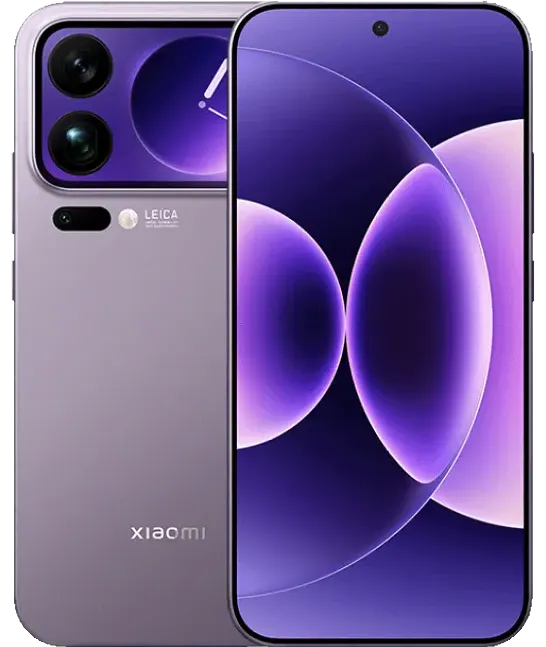
The Xiaomi 17 Pro Max is a phone with an unusual contradiction. Its design and name look conspicuously familiar, yet one of its defining features is something its closest rivals do not offer: a fully interactive screen built into the rear camera area. In the supplied hands-on review, that second display attracts attention immediately, but the more revealing story is how strong the phone's conventional fundamentals appear to be.
The reviewer praises its endurance, fast hardware and polished construction before deciding whether the extra screen earns its place. His verdict is not a simple endorsement of every novelty Xiaomi has added. The rear display is genuinely useful for some photographic tasks, while several of its other functions feel more like demonstrations of what the hardware can do than reasons to buy it.
This Belliste article analyzes the supplied review video rather than reporting independent device testing. The observations reflect the software and market availability at the time of recording, so later updates or regional versions may behave differently.
Design: Familiar Styling, Convincing Hardware
The reviewer is critical of Xiaomi's decision to adopt the 17 naming scheme, Pro and Pro Max labels and a camera-island silhouette that evoke Apple's iPhone 17 lineup. He also notices similarities in the interface, from icons to the control-center presentation. The resemblance makes the design less distinctive than Xiaomi's engineering deserves.
Yet the device itself does not feel cheap in his hands. He describes a bright, high-quality front display, exceptionally slim and even borders, and satisfying haptic feedback during typing and navigation. The box shown in the video also includes a 100W charger, USB-C cable and protective case, although buyers should confirm the accessories included in their own region.
The real visual difference appears when the phone is turned over. The large camera area houses an additional screen rather than a decorative panel. Its integration is what separates the Xiaomi 17 Pro Max from an ordinary flagship with an unusual back.
Battery Life: The Strongest Conventional Selling Point
The Xiaomi 17 Pro Max shown in the review has a 7,500mAh silicon-carbon battery, compared with the 6,300mAh capacity cited for the smaller Xiaomi 17 Pro. The reviewer reports remarkably strong endurance and is impressed that Xiaomi achieved the larger capacity without making the Pro Max feel excessively bulky. He also remarks that it feels lighter than the iPhone 17 Pro Max.
Those impressions are encouraging, but they are not a controlled battery-life comparison. Capacity alone cannot establish how many hours a phone will last, and the video does not provide a repeatable screen-on-time protocol. What it does provide is a clear account of the reviewer's unusually positive day-to-day experience with the battery.
Snapdragon Performance and Thermal Behavior
The reviewer identifies the Snapdragon 8 Elite Gen 5 as the chip powering these phones and describes configurations with up to 16GB of RAM and very fast storage. In his testing, performance is ahead of several earlier Android flagships, although he does not characterize the improvement as a fundamental change in what a smartphone can do.
He notices warmth around the sides during demanding workloads but says it did not visibly compromise sustained performance in his tests. That is a useful distinction: feeling hot is not identical to thermal throttling. The video does not establish long-term performance across every game or ambient temperature, so its conclusions should be read as observations from one reviewer's test period.
The Rear Display: More Than a Decoration?
The rear display is unusually sophisticated for a secondary smartphone screen. The reviewer describes high brightness, responsive touch input, a variable refresh rate and protective glass that make it feel like part of the product rather than a low-quality add-on. Xiaomi also pre-applied protection to both screens on the review unit, reducing his concern about placing the phone face-down.
Customization is extensive. There are clock faces ranging from mechanical-style dials to simpler designs, animated characters and options for custom text and backgrounds. The reviewer is particularly impressed by the software that transforms user-supplied images into animated backgrounds suited to the rear display. He finds the results surprisingly polished, even though the screen often spends much of its time dimmed.
The more practical features include music controls, pinned reminders, extracted text and information that can be shown without unlocking the main display. A timer can also appear on the rear panel. At the time of the review, however, broader third-party app integrations were limited. The reviewer discusses possible uses for deliveries and flight tracking but does not demonstrate a mature ecosystem of supported apps.
Notifications and Calls: Convenience With Limits
A rear-facing notification screen could help users leave their phones face-down while still noticing important alerts. That idea appeals in situations such as meals or meetings, where someone wants fewer distractions without becoming completely unreachable. In practice, the reviewer finds the implementation less persuasive than the concept.
He tests answering a call using the rear display and reports that the experience is inferior to using the front of the phone. The arrangement is awkward and audio handling is not ideal. Xiaomi also has other interface mechanisms for surfacing small updates, so the rear panel does not automatically make every notification more useful.
The Camera Benefit Is Much More Convincing
The strongest case for the second screen is photography. Because it acts as a viewfinder while the phone's main cameras face the user, selfies can use the rear camera system instead of relying on a conventional front-facing sensor. In the video, the reviewer finds the resulting detail, depth and video quality particularly impressive.
He reports that the main camera captures detailed photographs with strong dynamic range, though skin tones sometimes look unnatural even after disabling beauty settings. The ultrawide performs better in daylight than low light, and long-range zoom can look impressive but occasionally shows aggressive AI enhancement. These are his observations, not controlled Belliste camera measurements.
The rear-screen camera interface retains a wide range of functions, including different zoom levels, ultrawide framing, portrait mode and video recording. The reviewer demonstrates 8K selfie video and calls it his best selfie-video experience, while acknowledging some oversharpening. Turning the phone around and swiping to activate the rear viewfinder takes an extra gesture, but the quality advantage is substantial enough to change his opinion of the second screen.
Photo Collages and the Optional Gaming Case
Xiaomi has also developed a photo-booth-style collage mode that combines successive shots into a printable layout. The reviewer appreciates the amount of visual and interaction design invested in such a small feature. It fits the rear display's most credible purpose: making photography more playful without abandoning image quality.
An optional controller-style case pushes the idea much further. It turns the rear screen into a miniature gaming device, with dedicated controls and a customized interface. The reviewer is impressed that Xiaomi made it work so smoothly, but openly doubts he would choose to play games this way in everyday life. It is technically entertaining without being an especially persuasive buying reason.
Xiaomi 17 Pro Max vs iPhone 17 Pro Max
The video repeatedly frames Xiaomi's design and branding against Apple's flagship. The comparison is useful in two respects: Xiaomi's industrial design looks familiar, while its rear display and large battery give it a different functional identity. The reviewer also compares sample photographs and selfie footage, sometimes preferring the Xiaomi's detail and depth.
That does not establish a universal camera winner. The video does not offer a fully standardized camera test across lighting conditions, nor does it settle software support, local pricing or service availability. Buyers should compare those practical factors alongside hardware specifications, particularly if the Xiaomi version available to them is imported or configured for a different market.
Verdict: A Strong Flagship With One Truly Useful Experiment
The Xiaomi 17 Pro Max would be compelling even without the second screen. In the reviewer's experience, it combines excellent battery endurance, fast performance, satisfying haptics and a premium display. Those fundamentals are more important than a novelty feature, and they make the phone easier to recommend on conventional grounds.
The rear display is at its best when it helps people shoot photos and videos with the main cameras. Its customization and music controls add personality, but notifications, rear-screen calling and miniature gaming are less convincing. The result is a flagship that occasionally mistakes possibility for utility, yet also demonstrates a genuinely useful new way to take selfies.
The central buying question is therefore not whether the second screen is impressive. It is whether you will use it often enough to justify the extra complexity. For camera-focused users who want better self-portraits and creative framing, the answer may be yes. For everyone else, the battery, performance and everyday software experience deserve more attention than the spectacle on the back.