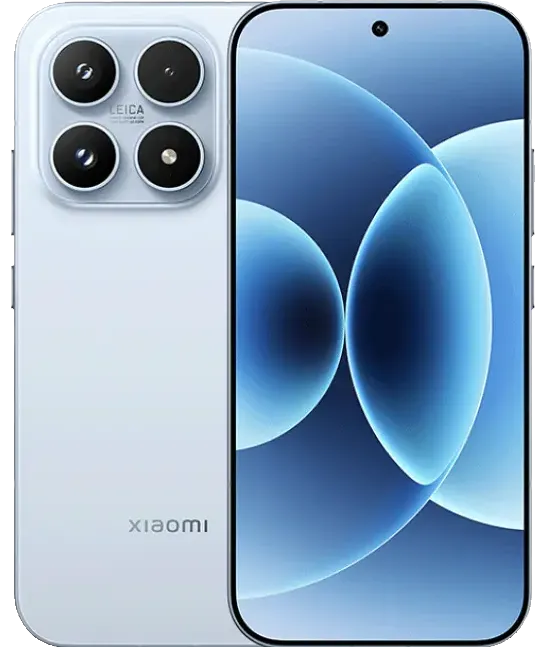
The Xiaomi 17 is built for buyers who want flagship performance without carrying a particularly large phone. After several days with the device, the reviewer in the linked video likes its manageable size, Leica-tuned photographs and battery endurance. His biggest complaint is less obvious from a specification sheet: the screen becomes difficult to see during extended outdoor shooting, despite its impressive advertised peak brightness.
That problem gives this compact flagship a more complicated verdict than its hardware suggests. The camera can take attractive photos, but a photographer still needs to see the viewfinder clearly in daylight. This analysis draws on the linked hands-on video, not independent Belliste testing.
Design: Smaller Than the Xiaomi 15
The Xiaomi 17 follows a familiar compact-flagship design rather than introducing a dramatic new shape. The reviewer says it is slightly smaller than the Xiaomi 15, with a size and weight that should appeal to people who dislike oversized phones. He personally prefers larger handsets and finds this one a little too small for his habits.
His reservation reflects a preference for larger phones, not a flaw in the Xiaomi design. A smaller device can be easier to carry and operate one-handed, while giving people accustomed to large displays less room for typing, framing photographs or watching video. The reviewer sees the Xiaomi 17 as a strong option for the first group, even though he belongs closer to the second.
Display: Excellent Indoors, Frustrating Outside
The front display makes a positive first impression. The reviewer praises its resolution, color and smoothness, and recommends switching from the more saturated Vivid profile to Original Color Pro when judging photographs. His point is practical: an aggressively vivid screen can make images look more colorful than they actually are.
The problem emerges during outdoor use. Although the display is advertised as reaching up to 3,500 nits at peak brightness, the reviewer finds that it dims rapidly while he takes photos and videos in hot, bright conditions. At times, he struggles to see what he is recording. He also mentions noticing similar behavior on a Xiaomi 17 Ultra.
A peak brightness figure does not guarantee that a panel will sustain the same brightness throughout a long outdoor session. The video does not isolate the cause through controlled temperature or brightness measurements, so it cannot establish whether heat, software limits or another factor is responsible. What it does establish is that the reviewer encountered a real visibility problem during the kind of shooting this phone is designed to support.
Cameras: Three 50MP Sensors and Leica Authentic
The Xiaomi 17 uses three 50MP rear cameras, according to the review. The reviewer describes the arrangement as broadly similar to the previous generation, with the main sensor moving from Light Fusion 900 to Light Fusion 950. He does not claim that the change produces a dramatic technical leap.
Instead, the noticeable difference is the photographic rendering. The sample images shown in the video use Leica Authentic, which the reviewer finds less aggressively brightened and processed than photographs from many other smartphones. The result is a darker, more restrained look that he personally prefers.
That style will not suit everyone. People who want instantly bright, saturated pictures may prefer a different profile or processing approach. The reviewer treats the Leica look as an aesthetic choice, not proof that every image is more color-accurate or objectively superior. His recommendation to use Original Color Pro on the display reinforces the importance of judging photos without excessive screen saturation.
Video Test: Walking Without a Gimbal
The video includes an outdoor walking sample recorded without a gimbal. The reviewer relies on the phone's built-in stabilization while moving through a park and speaking directly to the camera. He also records audio through the phone rather than an external microphone, allowing viewers to hear a practical sample of the built-in capture setup.
During the walk, he switches from the main camera to the ultrawide and then demonstrates telephoto framing around 2.6x and 5x. The transitions give viewers a useful sense of how the phone behaves when changing lenses in a real scene. The sample shows handheld movement and lens changes, but offers no direct comparison with rival phones.
The outdoor setting also explains why the display complaint deserves attention. Someone filming while walking may need to change framing and exposure quickly. If the viewfinder becomes too dim to read, the inconvenience can matter even when the recorded footage looks good.
Selfie Camera: 50MP With Autofocus
The reviewer identifies the upgraded front camera as one of the clearer improvements over the previous model. It is a 50MP unit with autofocus, a combination he expects to deliver sharper, more dependable selfies. He says the resulting images look closer to what he would expect from a rear camera.
The video does not include an extended low-light or autofocus test. Still, the upgrade is relevant for people who regularly record themselves or photograph groups at different distances, where fixed focus can be limiting.
Snapdragon Performance and HyperOS 3
The Xiaomi 17 in the video uses the Snapdragon 8 Elite Gen 5 and runs HyperOS 3 based on Android 16. The reviewer reports smooth everyday navigation, social apps and gaming, with no noticeable lag during his short testing period. The video includes no benchmarks or sustained-load measurements.
He also states that Xiaomi offers five years of software upgrades and six years of security updates. Buyers should confirm the exact policy for the device and market they are considering, including how Xiaomi defines the start of the support period. The video does not independently verify the update schedule.
Battery Life: All-Day Use in a Small Phone
Battery endurance is one of the reviewer's favorite surprises. Despite the compact body, he reports that the Xiaomi 17 lasts through a full day involving photography, video and gaming. He estimates the capacity as above 6,000mAh but does not give a precise verified figure in the video, so it would be misleading to present his estimate as an exact specification.
He also highlights 100W wired fast charging as a useful fallback when the battery is low. No timed charging curve or controlled endurance result is provided. The strongest supported conclusion is that this reviewer found the battery dependable over several days of varied use, not that the phone will achieve a particular screen-on-time figure for every owner.
Xiaomi 17 vs Xiaomi 15: What Actually Changed?
The reviewer emphasizes three differences: a slightly smaller body, a newer main camera sensor and an upgraded 50MP autofocus selfie camera. He also finds the photographic processing appealing and praises battery life, although the video does not provide a systematic side-by-side endurance or camera test with the Xiaomi 15.
The rear camera system is not described as a major reinvention. That makes the Xiaomi 17 easier to understand as a refinement for people who already value compact premium hardware. Whether those changes justify upgrading depends on the buyer's current phone and priorities, not on a single headline feature.
Verdict: A Good Compact Flagship With a Specific Weakness
The Xiaomi 17 makes a persuasive case for compact phones. Leica Authentic photographs have a restrained look, the 50MP autofocus selfie camera is a welcome upgrade, and the battery lasted through the reviewer's busy days.
The outdoor screen dimming is the reservation that matters most. A phone can advertise 3,500-nit peak brightness and still be frustrating when its display becomes hard to see during a hot afternoon of photography. For buyers who frequently film or take photos outdoors, that issue deserves attention before the usual processor and megapixel comparisons.
For someone seeking a compact flagship with a restrained photographic style and dependable everyday battery life, the Xiaomi 17 is promising. For someone who needs sustained outdoor viewfinder visibility, the review provides a clear reason to investigate further before buying.