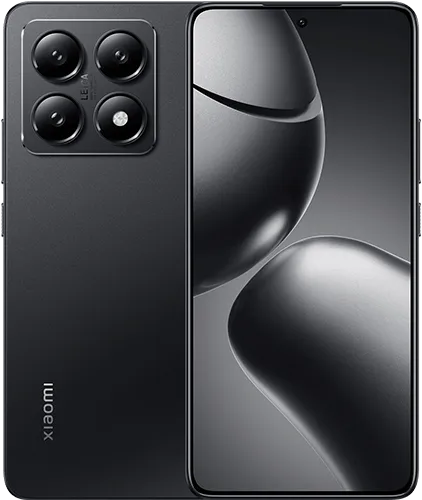
The Xiaomi 14T Pro makes its strongest case with portraits, not benchmark numbers. After a month using the phone, the video creator keeps returning to the same features: Leica-tuned color, convincing subject separation and editing tools that let him finish a photo before leaving the camera app.
Disclosure: Xiaomi sponsored the source video. Belliste has not independently tested the phone. The judgments below describe what the creator demonstrates and reports, not controlled Belliste results.
A Month With the Phone: Build, Display and Everyday Speed
After a month of use, the reviewer says his unit remains free of visible scratches, while acknowledging he has not dropped it. He prefers the appearance without a case and finds the fingerprint reader fast, though positioned a little lower than he would like. He also mentions IP68 water resistance; this is a rated protection level, not a guarantee against every type of water damage.
Outdoor visibility receives a favorable assessment. The screen remains readable when framing photos in bright sunlight, and he likes its sharpness. The video includes a casual reference to smooth motion at 120Hz, but does not present instrumented brightness or refresh-rate testing.
His review unit has 1TB of storage and he describes it as having an additional 32GB of memory. The footage does not establish whether that figure refers to physical RAM, memory extension or a combination, so it should not be interpreted as a verified 32GB hardware RAM specification. What the reviewer does demonstrate is responsive day-to-day operation; there is no benchmark or sustained gaming test in this video.
Charging: Strong Specifications, No Timed Result
The Xiaomi 14T Pro supports up to 120W wired and 50W wireless charging according to the review. Those figures are notable, particularly because some more expensive phones support lower peak charging power.
These are peak charging specifications, not measured charging times. The video includes no battery rundown or timed charge, and achieving the advertised power requires compatible equipment.
The Leica Camera System: Main, Ultrawide and Telephoto
The rear cameras cover three focal lengths: a 15mm-equivalent ultrawide, a 23mm-equivalent main camera and a 60mm-equivalent telephoto. The main camera is 50MP with an f/1.6 aperture and optical image stabilization. The telephoto is also 50MP with an f/1.9 aperture, according to his breakdown.
The 23mm-equivalent main camera handles the video's difficult backlit examples particularly well, keeping faces properly exposed without flattening the background. Leica's influence is evident in the shooting interface and selectable looks, although the footage cannot separate Leica's tuning from Xiaomi's image-processing algorithms.
He describes a multi-frame computational process using up to eight 14-bit RAW frames before the phone produces a finished image. This is the reviewer's explanation of the processing approach, not a measurement of the frames used for each photo. The practical result he highlights is balanced exposure in difficult lighting.
An HDR switch gives photographers a choice between more processed output and a different, potentially more natural-looking result. He also praises eye-detection autofocus in his portrait examples. The 50MP capture mode offers extra detail for cropping in favorable conditions, although resolution alone does not guarantee a better photo.
Portrait Mode: The Reason to Consider This Phone
Portrait photography dominates the video for good reason. The reviewer uses both Leica Portrait and Master Portrait styles, and finds each attractive rather than declaring a universal winner. In his examples, the phone separates subjects from backgrounds convincingly, including shots made with the telephoto camera.
One simulated vintage-lens effect stands out: swirling background blur reminiscent of a Helios lens. It is a digital effect rather than vintage glass, but the creator likes being able to produce the look and edit it immediately.
The comparison with full-frame photography needs perspective. The reviewer himself notes that a larger camera remains preferable for demanding editing and some aspects of rendering. The Xiaomi's advantage is convenience: he can capture, adjust blur, apply film-style treatments and publish directly from the phone.
Low Light: Stick With the Main Camera
At dusk and under streetlights, the main camera produces the strongest results in the supplied examples. The reviewer likes how it preserves skin tones against colorful backgrounds and handles backlit scenes. He also tests the 50MP mode in dim conditions, observing somewhat different color processing.
The ultrawide captures usable light but is visibly less convincing in his assessment. His recommendation is straightforward: use the main 1x camera for most low-light shots, and reserve the ultrawide for brighter scenes.
For night-sky photography, he demonstrates long exposures using a tripod and mentions a 30-second shutter setting. Poor weather prevents him from capturing the star trails he wanted. The footage therefore supports a demonstration of long-exposure controls, not a definitive astrophotography performance verdict.
Video: 4K Master Cinema and Telephoto Stabilization
The reviewer discusses 10-bit recording, up to 8K capture and 4K HDR options. He then walks while filming with the telephoto lens to examine stabilization and perspective changes. The playback looks steady to him on the phone's screen, but he says he would need to review it on a larger monitor before making a firmer judgment.
Switching to the main camera, he demonstrates Master Cinema at 4K/30fps. He favors its more restrained color rendering and says the clip needs little grading for his taste. That is an aesthetic judgment rather than a color-accuracy measurement.
Manual camera controls include shutter speed, ISO, white balance and exposure aids such as a histogram and overexposure warning. These are useful tools for creators who want more control than automatic video capture offers. The video does not establish continuous recording limits, microphone quality or performance in extended hot-weather shoots.
Editing Tools and AI Features
The reviewer uses the phone's eraser tool and appreciates the magnified selection view when marking objects for removal. He also experiments with portrait effects, film emulations and a bloom treatment intended to mimic the softness of a diffusion filter.
These tools matter because they reduce the number of steps between shooting and sharing. He describes posting finished portraits directly to Instagram, but the video is not a controlled comparison of upload compression across devices or platforms.
Google Gemini is available on his review device and he mentions using it occasionally. He does not evaluate its accuracy, response quality or integration in depth, so it would be misleading to turn that brief mention into a broad AI-performance claim.
What the Sponsored Review Does Not Establish
The month-long account is useful for understanding photography workflow, but it does not include a controlled battery rundown, charging timer, gaming benchmarks or blind camera comparison.
Because Xiaomi sponsored the video, its positive conclusions should be weighed alongside independent reviews. The creator does acknowledge limitations, notably the ultrawide's low-light results.
Verdict: A Photographer's Phone Before Anything Else
The Xiaomi 14T Pro earns its place on a photographer's shortlist through its main camera, expressive portrait styles and practical on-device editing. In the sponsored footage, backlit portraits and dusk shots are its strongest demonstrations; the ultrawide is less convincing after dark.
For someone who frequently photographs people and wants finished images ready to share, that is a meaningful advantage. For a buyer whose priorities are battery endurance, long gaming sessions or proven charging times, this video leaves important questions unanswered. Compare independent tests and current local prices before deciding.