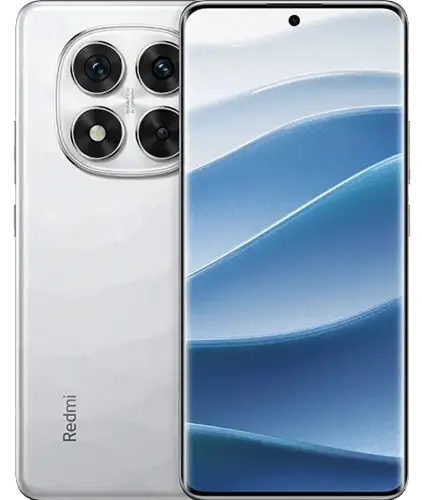
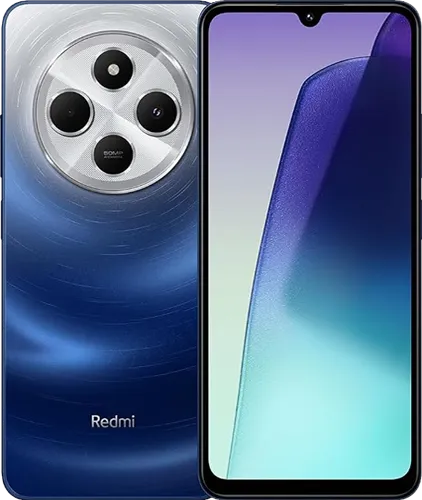
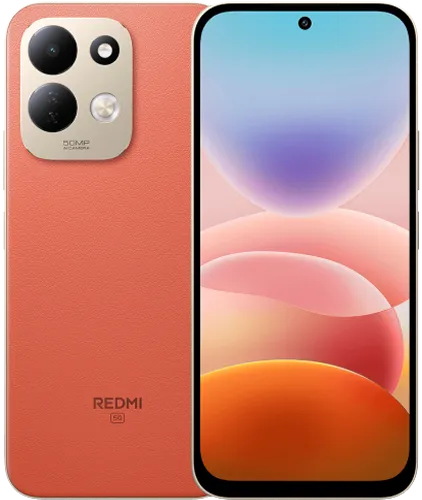
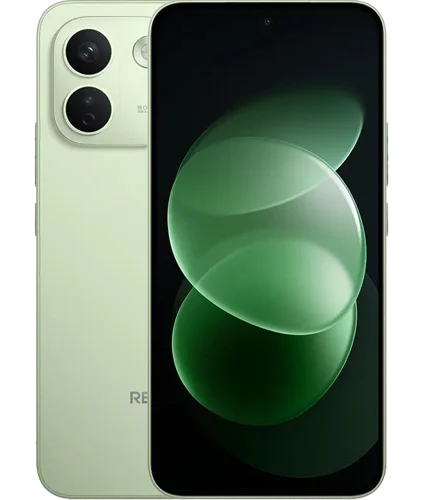
The Redmi Note 15 Pro 5G has a straightforward pitch: much more battery, without much change elsewhere. Xiaomi has moved from 5,110mAh on the Note 14 Pro 5G to 6,580mAh here, while keeping a familiar camera setup and making only a small processor upgrade. That makes the buying decision unusually simple for owners of last year's model.
This Belliste article analyzes the linked hands-on review, not an independent Belliste device test. The source video contains a paid sponsorship segment for a financial service unrelated to the phone. The sponsor's claims are not used in this review.
Battery: The Upgrade That Changes Daily Use
In the hands-on video, the phone lasted through the creator's day without running flat, even with heavy use. The extra 1,470mAh over its predecessor is substantial, especially for a handset weighing around 210g.
Using the 45W adapter in his box, he recorded 1 hour and 21 minutes for a full charge. Belliste did not repeat that test, and box contents can vary by market.
Reverse wired charging lets the phone top up another compatible device. There is no wireless charging or reverse wireless charging. If you are upgrading mainly to avoid carrying a power bank, the larger battery makes a stronger case than the new chipset.
Design and Durability: Familiar Shape, Tougher Claims
Xiaomi promotes improved durability, although the construction looks much like last year's model in the hands-on footage. The back and frame are plastic, with Gorilla Glass Victus 2 protecting the front according to the video. He identifies IP68/IP69 water- and dust-resistance ratings; those ratings are not permission to deliberately expose the device to damaging conditions.
His Glacier Blue unit is one of several finishes mentioned alongside Titanium, Mist Purple and Black. The phone feels solid despite its large battery. The optical fingerprint reader responds quickly in the demonstration. The creator also praises the stereo speakers and vibration feedback.
An infrared blaster remains useful for compatible appliances. The reviewed configuration has a dual nano-SIM tray and eSIM support, but no microSD expansion. Check regional connectivity and SIM options before buying.
Display: Big AMOLED, Little Reason to Complain
The 6.83-inch AMOLED screen runs at up to 120Hz. Colors look vivid in the footage, and the screen remains usable outdoors. Xiaomi quotes a 3,200-nit peak brightness; that figure was not independently measured in the video.
The advertised 480Hz touch-sampling rate sounds promising, though the video does not measure input latency. The big panel and stereo speakers are a convincing combination for watching films.
If you liked the Note 14 Pro 5G's screen, this one should feel familiar rather than dramatically better.
Dimensity 7400: A Modest Step Forward
MediaTek's Dimensity 7400 replaces the Dimensity 7300 in the Note 14 Pro 5G. Its slightly higher CPU clock speed does not translate into an obvious difference during ordinary use in the demonstration. Apps and multitasking feel quick on his 8GB RAM review unit, and he mentions a 12GB configuration.
AnTuTu, Geekbench and 3DMark appear on screen, but their exact figures are not available in the supplied transcript, so no numerical benchmark comparison is claimed here.
The 8GB review unit handles routine apps comfortably. Speed alone is not a compelling reason to replace a Note 14 Pro 5G.
Gaming: Smooth Competitive Titles, Compromises in Genshin
PUBG Mobile runs well in the demonstration, with the reviewer recommending Smooth graphics and Extreme frame rate for fluid play. Call of Duty Mobile also feels smooth; he points to Low graphics and Ultra frame-rate settings as a way to prioritize responsiveness.
Genshin Impact is a different story. The game is playable in the video, but the reviewer uses its lowest graphics settings. It can launch the game, but players looking for high visual settings should consider a faster device.
There are no sustained frame-rate or temperature readings, so the short gameplay clips cannot establish how it performs over a long session.
Cameras: Competent Results, Few Surprises
The rear setup consists of a 200MP main camera and an 8MP ultrawide. Although the camera island has additional circles, the reviewer explains that they do not represent extra functional cameras.
He likes the main camera's restrained colors and finds that the ultrawide generally matches its color treatment, though not perfectly. Portrait separation and night shots also earn approval. Even so, he is not enthusiastic about the cameras. They do the job, but photography is not his reason to recommend the phone.
The 20MP selfie camera produces natural-looking skin tones in his examples. He demonstrates front-camera recording at 1080p/30fps and rear-camera footage at 4K/30fps. These are the modes demonstrated in the video, rather than a full survey of the camera app.
Editing tools in the gallery include object erasing, background cutouts, sky replacement and image expansion. Useful editing tricks, certainly, but not a substitute for better camera hardware.
Software and Everyday Extras
The reviewed phone runs Android 15. The creator mentions a promise of four years of Android updates; the applicable update schedule should be checked for the specific regional device.
eSIM, an infrared remote, stereo speakers and a quick fingerprint reader are welcome conveniences, particularly if you plan to keep the phone for several years.
Redmi Note 15 Pro 5G vs Note 14 Pro 5G
Put the two generations side by side and the upgrade list is short. Battery capacity makes the difference; the Dimensity 7400, display and camera hardware offer little incentive to trade in a working Note 14 Pro 5G.
That balance explains the reviewer's advice. Owners of the Note 14 Pro 5G have little reason to upgrade unless battery endurance has become a problem. Buyers moving from a Note 12 Pro or Note 13 Pro may see a more worthwhile overall improvement.
Verdict: A Battery Upgrade, Not a Full Reinvention
For someone moving up from a Note 12 Pro or Note 13 Pro, the Redmi Note 15 Pro 5G offers a large AMOLED screen, solid everyday speed and battery endurance that impressed the video creator. His reported 81-minute full charge is reasonable for the capacity, even if 45W is not especially fast by today's standards.
There are limits. Genshin Impact needs low graphics settings, the cameras are familiar rather than exciting, and wireless charging is absent. If your Note 14 Pro 5G still lasts comfortably through the day, there is little here to justify replacing it.