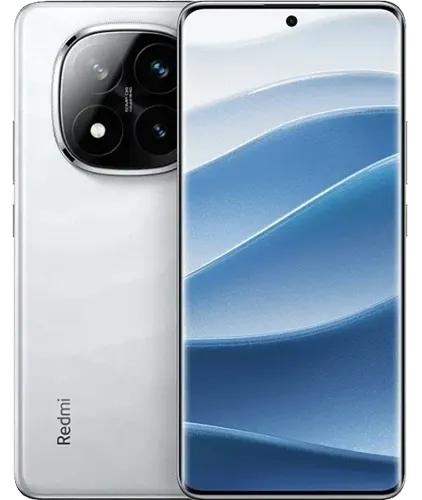
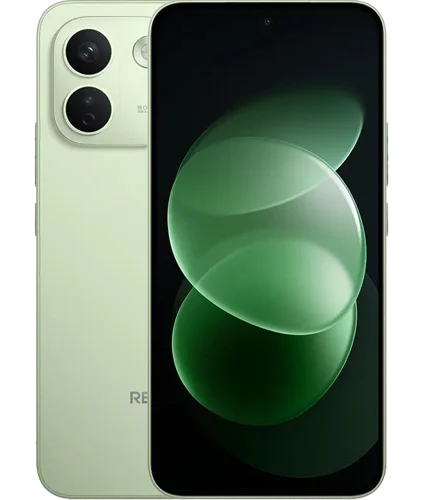
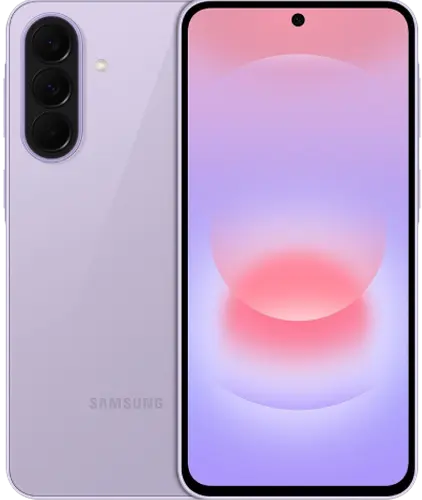
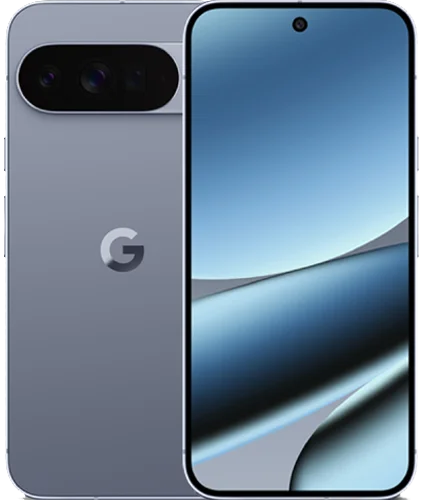
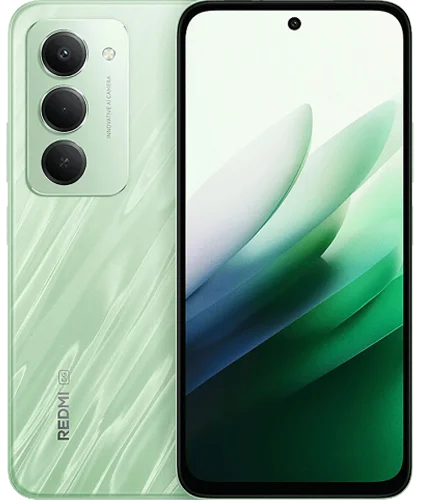
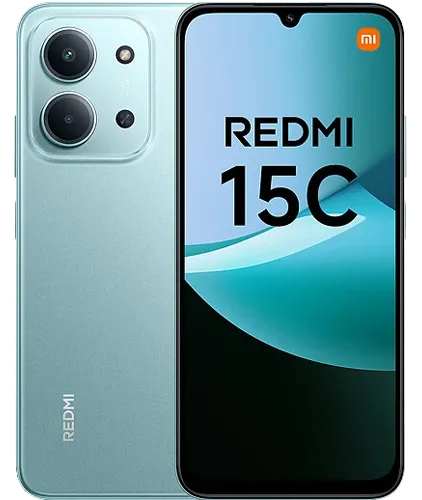
A full charge in 38 minutes is the Redmi Note 14 Pro+ 5G's strongest result in this three-week review. Its curved AMOLED screen and precise haptics also impress. The surprise is the camera: despite a 200MP main sensor, the 20MP selfie camera leaves the reviewer preferring shots from last year's phone.
Belliste has not independently tested this phone. The observations and charging measurement come from the linked 2025 video, which shows a global-market unit; software availability may have changed since filming.
Design and Durability: Premium Feel Without the Flagship Price
The handset shown has a glass back, a glossy frame finish and a curved front. Black and purple appeal to the creator more than his Spectre Blue unit. The haptic motor is a highlight: its sharp feedback reminds him of much pricier phones.
Xiaomi specifies Gorilla Glass Victus 2 on the front and IP68 dust and water resistance. IP68 is a laboratory rating, not permission to leave the phone submerged for hours, as the video casually suggests.
There is no microSD expansion. The reviewed configuration supports dual SIM, with eSIM availability dependent on region and carrier, and includes an infrared blaster, two microphones and stereo speakers. The optical fingerprint reader responds quickly; the speakers sound good in the creator's listening test.
Display: A Midrange Standout
The 6.67-inch curved AMOLED panel combines a 2712 × 1220 resolution with a 120Hz refresh rate. Colors and HDR playback impress in the video. Xiaomi lists 3,000 nits of peak brightness, although the review does not measure it. The screen is a genuine reason to consider this phone. The resolution and brightness figures are confirmed in Xiaomi’s official specifications.
The curved edges look elegant, but buyers who prefer flat glass or straightforward screen-protector fitting may disagree.
Performance: A Snapdragon Upgrade With Mixed Results
Xiaomi's official specification identifies the Snapdragon 7s Gen 3, built on a 4nm process. In the video, its benchmark results fall short of the reviewer's expectations for an upgrade over the Redmi Note 13 Pro+ 5G.
AnTuTu disappoints him, Geekbench looks more encouraging, and the older Note 13 Pro+ wins his 3DMark comparison. No trustworthy scores are given in the supplied transcript, so the result is mixed rather than a clear generational leap.
The reviewed 12GB RAM unit switches between apps smoothly. Other configurations include 8GB RAM and 256GB or 512GB of UFS 2.2 storage, depending on market.
Gaming: Strong in PUBG, Less Comfortable in Warzone
PUBG runs smoothly at the settings shown, labeled Ultra HD graphics and Ultra frame rate, with responsive touch controls and no obvious lag.
Call of Duty Mobile also plays smoothly at the selected high settings, without noticeable heat during a roughly 15-minute session. Mobile Legends runs well at the creator's Ultra settings.
Warzone is less forgiving. At Peak graphics and uncapped frame rate, gameplay stutters; reducing graphics makes it playable. The video does not record FPS or sustained temperatures.
Cameras: The Main Lens Delivers, the Selfie Camera Disappoints
The 200MP main rear camera is the strongest imaging component in the review. Its photos have natural-looking color without exaggerated saturation, and portraits are generally decent. The 8MP ultrawide produces acceptable images with colors that broadly match the main camera, although lens flare appears in some night shots.
Selfies are the weak point. The 20MP front camera produces less convincing skin and image processing than the older Note 13 Pro+ in the creator's side-by-side examples. Portrait cutouts struggle, and low-light photos and videos disappoint.
The rear camera records 4K/30fps in the demonstration; the selfie sample is 1080p/30fps. Xiaomi's specifications also list 1080p/60fps for the front camera, but not 4K. The creator wishes it offered more.
Battery and 120W Charging: The Practical Win
The global model has a 5,110mAh battery. Over roughly three weeks, the reviewer generally charged once a day, usually at night, even while using performance mode. He does not provide a controlled battery-life figure.
With the supplied 120W charger and the fastest charging mode enabled, a full charge takes 38 minutes in his test. The box also includes a USB-C cable, TPU case and SIM tool. Accessories differ by region: Xiaomi's Kenya specification, for example, lists no bundled adapter.
HyperOS and AI Tools: Useful Features, Some Clutter
Circle to Search, an interpreter, AI-assisted notes and an image eraser appear in the review. AI image expansion was still awaiting rollout when the video was filmed in early 2025; its present availability depends on software and region.
The phone ships with removable preinstalled apps. The video cites three major Android upgrades, but does not establish the phone's current update status.
Redmi Note 14 Pro+ 5G vs Note 13 Pro+ 5G
Compared with the Note 13 Pro+, the newer model offers appealing haptics and display quality, but the older handset leads in this video's 3DMark run and selfie comparison. That is not a compelling trade for owners of a working Note 13 Pro+.
Verdict: Buy It for the Screen and Charging, Not the Selfies
The Redmi Note 14 Pro+ 5G makes sense for buyers who want an excellent screen, satisfying haptics and very fast charging. Its 38-minute charging result is concrete, and PUBG, Call of Duty Mobile and Mobile Legends run comfortably in the sessions shown.
Skip it if selfie quality is your priority: the creator prefers the older Note 13 Pro+'s front-camera output. Warzone also needs lower graphics settings. Existing Note 13 Pro+ owners have little reason to replace a functioning phone solely for this model.