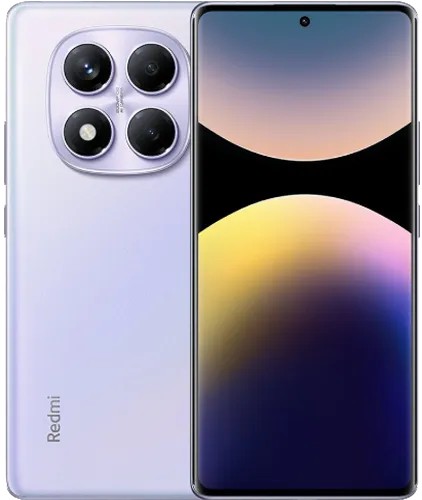
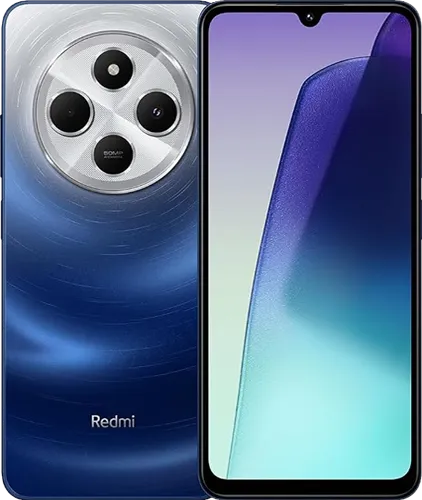
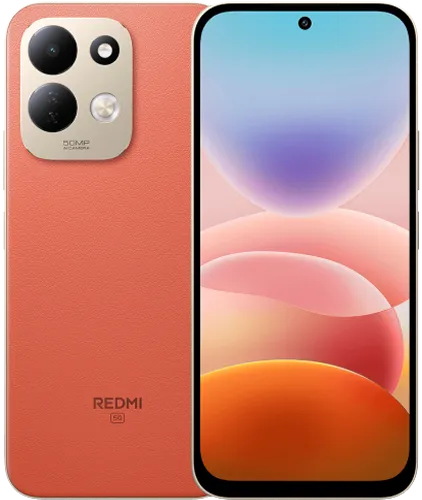
The Redmi Note 14 Pro 4G takes some of its best photos after dark. In GSMArena's January 2025 review, the 200MP main camera keeps noise under control and retains useful detail. Switch to the ultrawide, though, and the picture softens considerably. Video is capped at Full HD, while the Helio G100 Ultra brings little performance progress. Xiaomi has built a phone with a capable main camera, but several limits that are difficult to ignore at its launch price.
This Belliste article analyzes GSMArena's linked video review and clearly attributes its observations and lab results to that publication. Belliste did not independently test the handset. Prices and software details refer to the review period, not necessarily October 2026.
Design: Better Protection, Familiar Materials
The Redmi Note 14 Pro 4G measures 162.2 × 74.9 × 8.2mm and weighs approximately 180g. The front uses Gorilla Glass Victus 2, while the phone has an IP64 dust-and-splash resistance rating. Gorilla Glass Victus 2 improves resistance to everyday knocks, but IP64 only covers dust and splashes; it is not an immersion rating.
The curved front and prominent camera island establish the design, but the more useful details are functional: stereo speakers, an infrared remote, a 3.5mm headphone jack and microSD expansion through a shared SIM slot. Buyers choosing the 4G model gain those conveniences, but give up 5G connectivity.
Display: Strong AMOLED, With a Few Cuts
A 6.67-inch AMOLED panel provides 2400 × 1080 resolution and refresh rates up to 120Hz. GSMArena's testing found good brightness, including approximately 1,500 nits in automatic high-brightness conditions. That is a measured result from GSMArena, not an independent Belliste measurement. In GSMArena's measurements, automatic brightness is far higher than the 541 nits achieved with the manual slider, making sunlight mode particularly relevant outdoors.
The 4G model does not match the 5G version's more ambitious display specification. Its lower resolution and lack of comparable HDR certification matter more to people shopping for the sharpest screen or premium video formats than to casual users. The optical fingerprint reader sits beneath the display, while the stereo speakers round out a capable media setup.
Helio G100 Ultra: The Performance Problem
MediaTek's Helio G100 Ultra is closely related to the older Helio G99 family. GSMArena found little meaningful generational performance improvement, despite the newer branding. The processor is adequate for everyday apps, but this is not a phone to buy for high-end gaming or unusually strong sustained performance.
The review unit pairs 8GB RAM with 256GB of UFS 2.2 storage. Other configurations vary by market. The shared microSD slot can extend storage, but using it sacrifices the second SIM position.
The phone originally shipped with Android 14 and HyperOS in the reviewed market. That describes its launch software, not necessarily the version installed after later updates. GSMArena criticized the dated software starting point relative to competing models.
Battery: More Capacity, Slower Charging
Xiaomi increased capacity to 5,500mAh, up from the preceding Redmi Note 13 Pro 4G's 5,000mAh. GSMArena measured an Active Use Score of about 12 hours and 7 minutes in its published battery testing. That score reflects GSMArena's protocol; it is not a promise of twelve hours of continuous screen-on time for every buyer.
The phone supports 45W wired charging. In GSMArena's tests, it reached roughly 21% in 15 minutes, 42% in 30 minutes, and took around 1 hour 21 minutes for a full charge. That is noticeably slower than the preceding 4G model's 67W charging system. Some regions also omit the charger from the box, so package contents need checking before purchase.
Compared with the Redmi Note 13 Pro 4G, the extra 500mAh comes with a slower full-charge result. Someone accustomed to that model's 67W charging may notice the longer wait.
Main Camera: The Best Reason to Choose It
The 200MP main camera, with optical image stabilization, is the highlight of the rear system. GSMArena's reviewer praises daylight detail and color, though contrast and dynamic range could be better. Portraits and photos of people are generally good, with occasional subject-separation errors and skin tones the reviewer does not particularly like.
The camera's 2× digital zoom produces respectable results, but they are softer than standard shots. It is not optical telephoto zoom. Fine textures will therefore be less convincing at 2× than in the main camera's standard view.
At night, the verdict becomes more favorable. With automatic night processing, GSMArena finds detailed images, little visible noise, pleasing color and wide dynamic range. The main camera is more convincing in low light than the weaker supporting lenses.
Ultrawide, Macro and Selfies
The 8MP ultrawide is a clear step down from the main camera. GSMArena reports average detail, mediocre contrast and considerable noise in daylight. At night, photos become soft and flat, although color saturation and dynamic range remain relatively acceptable. Anyone who regularly shoots landscapes or group photos in dim lighting should pay attention to this gap.
The 2MP macro produces usable close-ups, although noise and softness limit how much detail survives closer inspection.
The 32MP selfie camera records full-resolution stills. GSMArena considers detail acceptable at first glance, yet facial features look softer when viewed closely. A higher megapixel count does not automatically translate into more flattering or sharper portraits.
Video: A Hard 1080p Limit
Despite the high-resolution main camera, the linked video review describes recording as limited to 1080p, citing the Helio G100 chipset. That is an important distinction between photographic resolution and video-processing capability. A 200MP sensor does not guarantee 4K capture.
GSMArena finds stationary video usable, but notes visible wobble when walking. A static clip may look acceptable, but walking footage exposes wobble. Buyers who record moving subjects should weigh that limitation before choosing this phone.
Redmi Note 14 Pro 4G vs 5G
These are different devices. The 4G model uses the Helio G100 Ultra and LTE, while the global 5G version has a stronger Dimensity chipset and a sharper screen. The 4G phone retains the headphone jack and microSD expansion. Camera results and software details should not be assumed identical.
GSMArena's launch-period comparison also found the 4G phone awkwardly priced against stronger alternatives. The original review quoted around €300 for the 8GB/256GB model, but that was a January 2025 launch reference, not a verified current price.
Verdict: A Good Main Camera Is Not Enough for Everyone
Buy the Redmi Note 14 Pro 4G for its main camera, AMOLED screen and practical extras—not for speed or video production. GSMArena's night samples make a stronger case for the phone than its benchmark performance or secondary cameras do.
The deciding factor is price. At a substantial discount below the 5G version, the headphone jack, microSD slot and capable main camera may justify the compromises. If the prices are close, the 5G model's stronger chipset and sharper screen deserve priority. Compare current local offers rather than relying on the January 2025 launch price.