Google Pixel 10 Review: Good Phone, Better at a Discount
Editorial note: Belliste has not independently tested this device. This article evaluates the supplied long-term review and product specifications; reported benchmarks, battery results and experiences belong to that reviewer. The linked video is included above but has not been independently transcribed.
The Pixel 10 launched as a phone that was hard to recommend at full price and easy to like at a discount. The supplied long-term review makes a case for both halves of that. The review praises the software, reports dependable battery life, and finds Pixelsnap magnets genuinely useful. But the main cameras went backward on paper, the chip barely moved, and the $799 price tag asked for more than the phone delivered. With the Pixel 11 now available, the Pixel 10 becomes more appealing when discounted.
Specs at a Glance
| Spec | Pixel 10 |
|---|
| Display | 6.3-inch OLED, 1080 x 2424, 422 ppi, 60–120 Hz, 3,000 nits peak |
| Chip | Google Tensor G5 (made by TSMC) |
| RAM | 12GB |
| Storage | 128GB or 256GB |
| Rear cameras | 48MP main, 13MP ultrawide, 10.8MP 5x telephoto |
| Front camera | 10.5MP |
| Battery | 4,970 mAh |
| Charging | 30W wired, 15W Qi2 magnetic (Pixelsnap) |
| Durability | IP68, Gorilla Glass Victus 2 front and back |
| Weight | About 204 g |
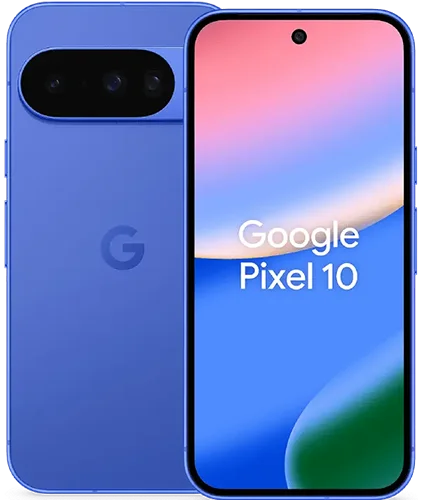
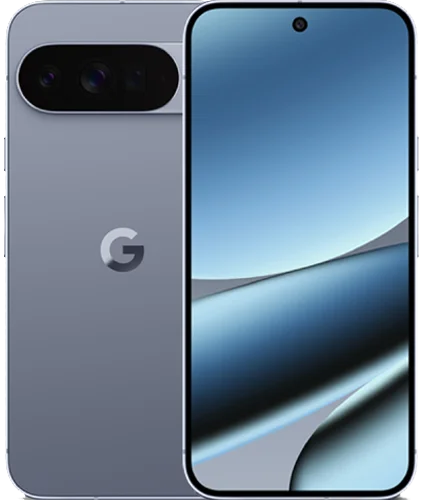
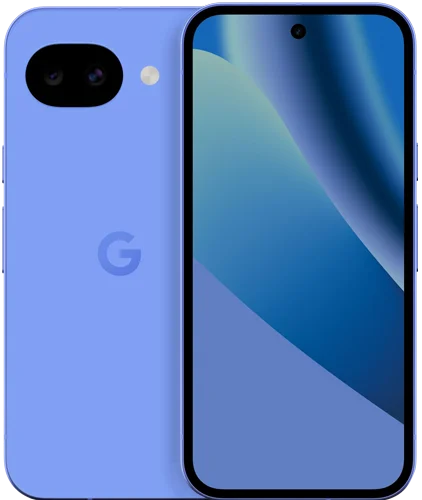
| Colors | Indigo, Frost, Lemongrass, Obsidian |
| Updates | Seven years |
| Launch price | $799 |
Design and Durability
If you’ve held a Pixel 9, you know this phone. The body is very similar, with the supplied review noting a slightly thicker and heavier frame. The matte aluminum rails now carry a “spacecraft grade” label that doesn’t change how they feel, and the SIM tray moved to the top edge.
The most visible change is on the back. The extra telephoto makes the camera island slightly larger, and that bigger glass section is easier to scratch. One long-term user picked up a micro scratch on the camera glass. The same change means Pixel 9 cases don’t fit, so upgrading means buying a new case.
Both sides use Gorilla Glass Victus 2, which resists scratches reasonably well but not as well as Apple’s newest Ceramic Shield 2. Micro scratches tend to show up eventually, so a screen protector is still sensible. Of the four colors, indigo, frost and lemongrass look good, and obsidian is the one to avoid if fingerprints annoy you, since the dark glossy glass shows every smudge.
Google’s official Pixelsnap case is well built, rigid enough to protect and flexible enough to remove, and it keeps the buttons tactile. But the smooth silicone feels less grippy than past official cases, there’s no dedicated corner drop protection, and at £50 it costs several times as much as third-party magnetic cases that may cost less, though their protection should be assessed individually.
Display
The screen is nearly identical to the Pixel 9’s: 6.3 inches, 1080p, 422 ppi, switching between 60 and 120 Hz. Peak brightness rises from 2,700 to 3,000 nits, which you would struggle to notice in real use. Both offer high advertised peak brightness, though outdoor visibility varies with conditions.
Two small gripes remain. The panel still isn’t LTPO, so it can’t drop to 1 Hz to save battery the way the Samsung Galaxy S25 and iPhone 17 can. And the bezels look chunky next to those phones, which makes the design feel less clean, though it doesn’t matter day to day. The under-screen ultrasonic fingerprint sensor is fast and consistent. The stereo speakers are a mixed bag: slightly clearer at maximum volume than the Pixel 9’s, but not as loud, and sometimes you wish for more volume when playing a podcast around the house.
Performance: TSMC's Move Wasn't a Gaming Breakthrough
Everyday speed is fine. Swiping through the OS, opening apps and taking photos feels the same as on the Pixel 9, helped by the same 12GB of RAM. The hope was that Google’s move from Samsung to TSMC for chip manufacturing would deliver a big jump. It didn’t.
In Geekbench testing, the Tensor G5 scores about 9% higher single-core and 17% higher multi-core than the Pixel 9’s chip. That’s an improvement, but far short of the competition. A phone with the Snapdragon 8 Elite Gen 5 scored roughly double on single-core and more than double on multi-core, in the reviewer's comparison, although results depend on the devices and test settings.
Graphics are murkier. Google moved to a new GPU architecture and shipped without the latest drivers, so apps and games weren’t optimized at launch. In Geekbench the Pixel 9 beat the Pixel 10 on graphics by a wide margin, though that looks more like a lack of optimization than a real-world gap. In an actual game, the two Pixels perform about the same, reaching 60 frames per second with some stutter, while a Snapdragon phone ran the same game at higher quality and a smooth 120. The summary is simple: perfectly smooth for everyday tasks, but if you do anything graphically demanding, look elsewhere. Flagship pricing with mid-tier gaming performance has always been the Pixel trade-off.
Software: Where the Pixel Still Wins
Google's software experience is one of the strongest reasons to consider a Pixel. Apps open quickly, the interface is clean, and Pixel-only features like Now Playing, which identifies songs around you, become things you miss on other phones.
The Pixel 10 adds a few new tricks:
- Magic Cue surfaces information from your Google apps at the right moment, such as flight details while you’re on a call with an airline. In months of use, it appeared only once, so its usefulness is unproven.
- **Quick Share interoperability with AirDrop allows file sharing with supported Apple devices. It works surprisingly well, and for anyone with both Apple and Pixel products, it’s a real convenience. It was limited to the Pixel 10 series at launch.
- Gemini keeps improving and handles reminders, questions and troubleshooting with Gemini Live.
The catch is that Gemini is on nearly every phone now, and features like Magic Cue and AirDrop sharing may change over time; check current device support. If you only want the Pixel experience, the Pixel 9 or 9a may meet many of the same needs.
The weaknesses are customization and notifications. You still can’t fully remove the At a Glance widget or the Google search bar from the home screen. Google added themes, but only three, all tied to a single film, which pales next to Samsung’s full theme marketplace. The most serious issue is delayed notifications: the supplied reviewer reports authentication prompts sometimes arriving as much as two minutes late. This is a device-specific account, not evidence that every Pixel 10 has the same issue. That can matter if you’re waiting on a login code.
Battery and Charging
Pixelsnap is the standout hardware feature. It builds magnets into the phone for magnetic wireless charging, and it brings built-in magnetic alignment to this Pixel generation. It works with MagSafe accessories like wallets, stands and power banks, which makes the Pixel 10 a more appealing switch for iPhone users.
Wireless charging reaches 15W with Qi2, and wired charging reaches 30W with Google’s chargers. In testing with a 100W PPS charger, the phone peaked just under 27W, far slower than the 120W charging on some rivals. That matters little if you charge overnight.
The 4,970 mAh battery is larger than the Pixel 9’s 4,700 mAh, and the improvement is small but noticeable. Long-term users report about 4.5 hours of screen-on time with roughly 30% left after a 15-hour day, but extrapolating a full discharge from one usage report would be unreliable. That comes with heavy use: social media, messaging, navigation, music and podcasts over Bluetooth, and a smartwatch connected all day. The Pixel also feels more efficient on mobile data than earlier Pixels. It’s not a battery champion, but it’s more than enough for most people.
Cameras: A Trade, Not an Upgrade
The Pixel 10 adds a 10.8MP 5x telephoto camera, and pays for it by downgrading the others. The main and ultrawide sensors are the ones from the budget Pixel 9a, which means fewer megapixels and noticeably smaller sensors than the Pixel 9 had.
In good light, the difference is hard to see. The gap shows up in low light and in video. The telephoto produces good results in daylight and is fine for social media posts, but the small sensor and low resolution make it unsuitable for much more, while low-light telephoto quality was less convincing to the reviewer. Video stabilization is similar to the Pixel 9’s, with some digital jitter in low light. The front camera is the same 10.5MP sensor as before and perfectly fine for selfies.
Most people will probably prefer having a telephoto to having larger sensors. But keeping the Pixel 9’s sensors and adding the telephoto would have been better, and as it stands, this is a downgrade at the same price. It’s the weakest part of the value case.
Pixel 10 vs Pixel 9 vs Pixel 11
- Versus the Pixel 9: The Pixel 9 delivers around 95% of the experience, with similar performance and cameras that are better in some ways. It’s often cheaper, and a MagSafe-compatible case gives it most of what Pixelsnap offers. Software features vary by device and update; do not assume future rollout.
- Versus the Pixel 9a: The 9a gives you the full Pixel software for much less, two of the three cameras and a larger battery.
- Versus the Pixel 9 Pro: If you can’t live without a telephoto, the 9 Pro has better cameras across the board and can cost about the same.
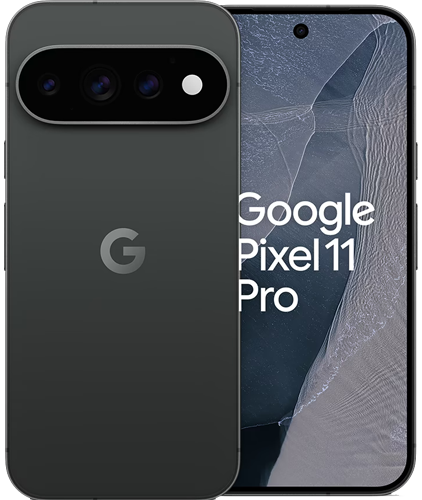
- Versus the Pixel 11: The Pixel 11 costs $100 more at $899, but starts at 256GB and brings a larger main sensor, 25W wireless charging and a newer chip. The extra money buys real upgrades, but not enough to make the Pixel 10 a bad buy at a good price.
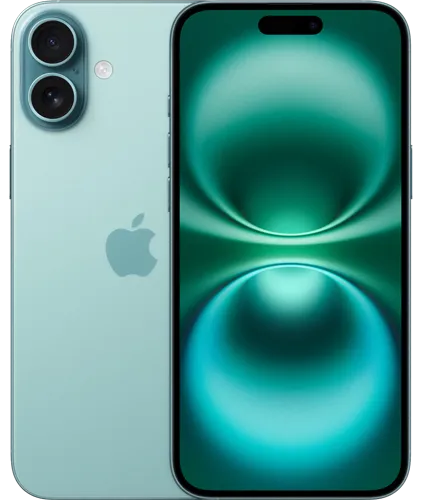
- Versus the iPhone 17: At the same list price, Apple’s phone starts with 256GB of storage, where the Pixel 10 started at 128GB.
Is the Pixel 10 Worth Buying Now?
At its $799 US launch price, the value case was difficult. At a price around $599, the trade-offs are easier to accept. The supplied article reports past discounts of about $200; these are historical examples, not verified current offers. For a phone with seven years of updates, IP68, a solid battery and a usable telephoto, that’s a fair price.
Who Should Buy It
Buy it if you want a compact Android phone with clean software, Pixelsnap magnets and AirDrop sharing, and you find it near $600.
Skip it if you play demanding games, you need strong low-light video, or you can get a Pixel 9 or 9a for less.
Final Verdict
The Pixel 10 is a nice phone with an awkward set of compromises. The software and the extras are good, the battery is dependable, and the telephoto is versatile. The cameras, the chip and the storage tier made it poor value at launch, and the delayed notifications are an annoying flaw. Compare current prices against the Pixel 9, Pixel 9 Pro and Pixel 11 before deciding.