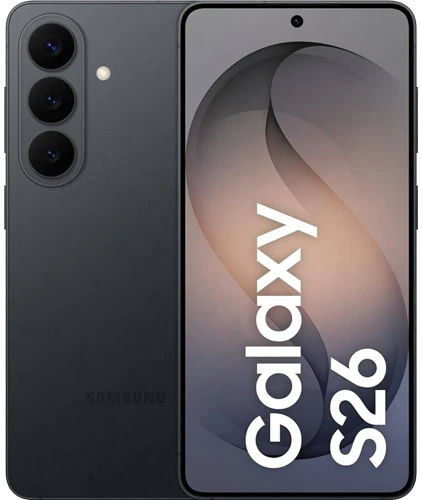
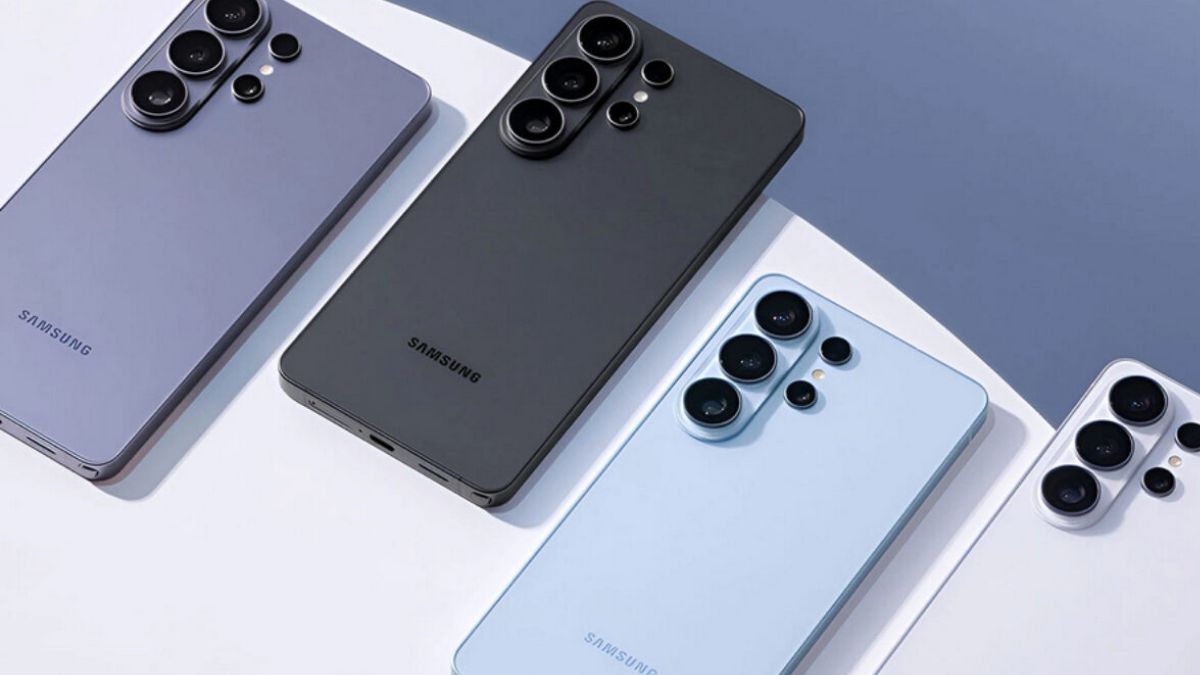
Galaxy S27 Certification Points to 25W, but It Cannot Tell You Charging Time
By BellistePublished:
Reported certificates list 9V and 2.77A for Samsung SM-S952 variants. The roughly 25W rating does not establish battery size or an empty-to-full time.
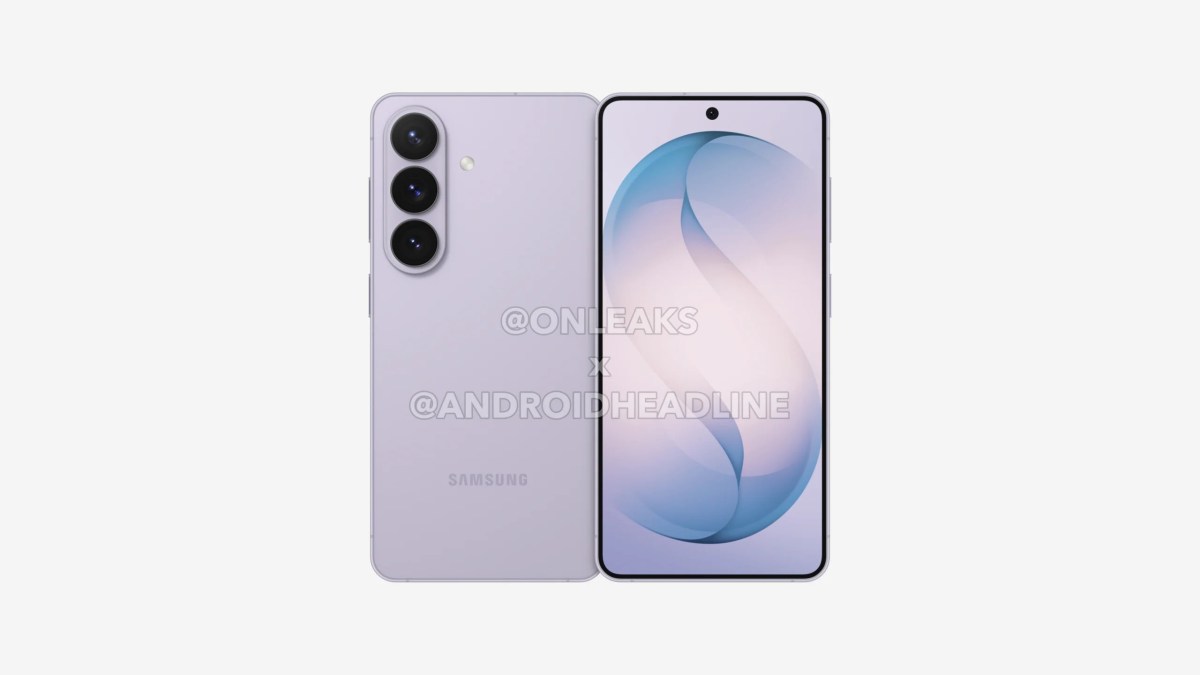
A new report about Samsung’s presumed Galaxy S27 gives buyers an electrical rating, not a charging-time promise. Keeping those two things separate is the difference between useful early information and a conclusion the evidence cannot support.
GSMArena reported the certification development on October 29, following Android Treasure’s examination of UL Solutions certificates for SM-S952 variants. The reported entries list 9V DC and 2.77A. Multiplying those values gives 24.93W, which explains the approximately 25W interpretation.
The certificates described by the original reporting identify a Samsung mobile phone and model codes. The Galaxy S27 name is an inference from the model family, rather than an official product name established by those documents.
Belliste would not wait for this phone expecting a major wired-charging upgrade on the strength of this report. We would also avoid treating the rating as proof that every aspect of its charging behavior is already known.
A useful clue with a narrow meaning
The development gives an early indication of the electrical input associated with the listed variants. It does not provide a measured charging curve, a retail charger or a battery rundown.
A buyer who charges during a short break needs to know how much usable battery is restored in that interval. An owner who charges overnight may care much less about the maximum power. Neither question is answered by multiplying voltage and current alone.
Battery capacity, temperature management and the way power changes during a session all matter to the experience. Those details require a finished device and stated test conditions. We have not tested an S27.
This is why we would prefer eventual reporting to show several points in a charge, rather than reduce the purchase decision to a single number.
Do not extend wired evidence into wireless claims
The original certificate reporting says nothing about wireless charging. It also does not establish the battery capacity. Assumptions based on the current Galaxy generation should remain assumptions.
The same caution applies to the device’s name. Model-code patterns are useful for identifying likely products, but the distinction between an expected identity and a manufacturer announcement should remain visible.
Our earlier coverage of presumed S27-family battery photographs concerned different evidence. These phone certificates add another piece of the picture; they do not turn every earlier specification rumor into a confirmed fact.
What this means for a purchase today
For someone choosing a phone primarily around rapid top-ups, the sensible comparison is between tested devices already available. A possible future model with a reported rating should not receive credit for an improvement that has not been shown.